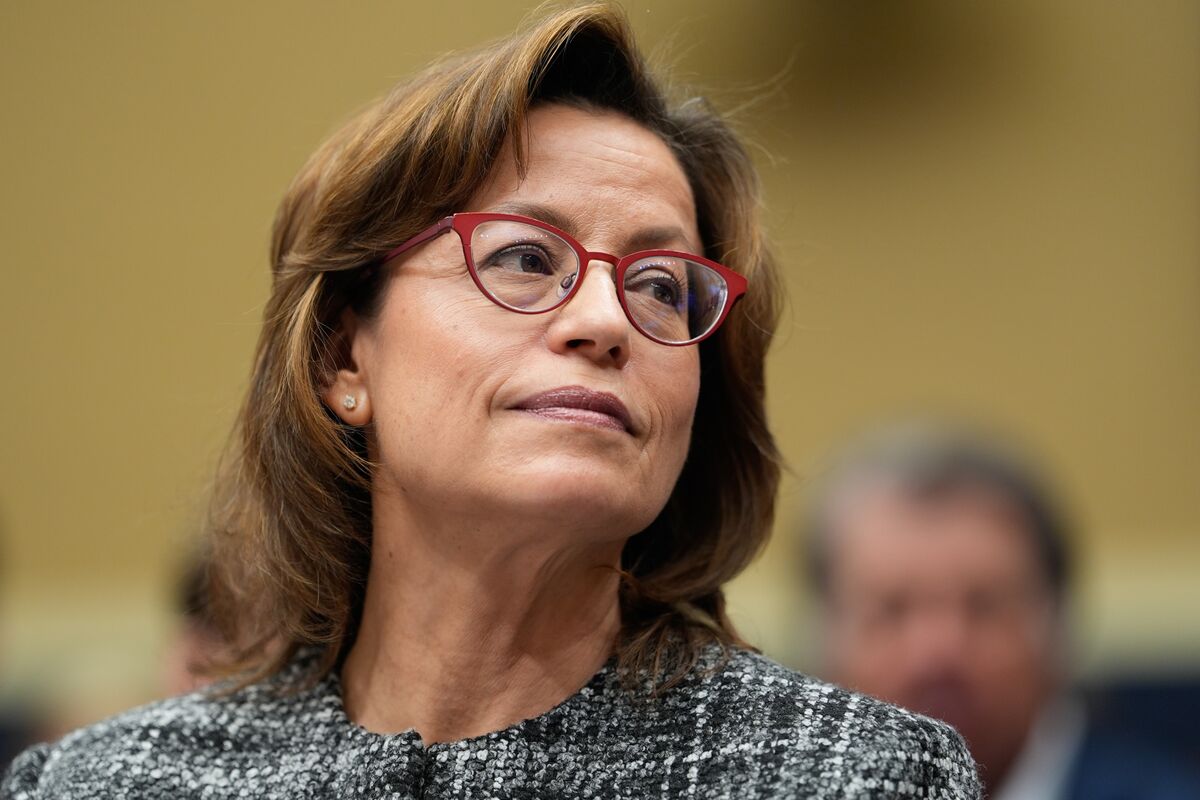
FCC Commissioner Anna Gomez said reports of an early review of ABC’s broadcast licenses would be an "unprecedented, unlawful" political stunt that "won’t stick." The article adds no decision or regulatory action yet, so the immediate market impact appears limited, though it highlights political and legal risk around broadcast licensing.
This is less about ABC specifically than about the FCC’s willingness to weaponize process. If this becomes a live precedent, the first-order winner is not any broadcaster but political-adjacent media owners with cleaner regulatory posture and lower headline risk, while the loser set expands to any licensee perceived as having influence over election narratives. The bigger second-order effect is a higher implied discount rate for broadcast-centric assets: when license renewal risk becomes something that can be pulled forward, management teams will spend more on government relations, legal defense, and content-risk controls, all of which pressure margins.
The market should treat the probability of an actual adverse license outcome as low, but the probability of repeated investigative noise as high over the next several months. That creates a slow-burn overhang rather than a discrete event: ad buyers and distribution partners may not cut exposure immediately, but they will demand cheaper inventory and shorter commitments if they think a station group can be dragged into Washington crossfire. The most vulnerable names are those with concentrated local broadcast exposure and weak balance sheets, because even a “won’t stick” action can still raise refinancing spreads and capex conservatism.
The contrarian read is that the administration’s signaling could be more important than the legal merits. If this is an early testing of institutional boundaries, the next catalyst is not a final FCC ruling but whether more commissioners, House committees, or courts escalate the dispute in the next 30-90 days. A reverse catalyst would be any broad bipartisan pushback or an explicit DOJ/FCC procedural rebuke, which would likely collapse the headline risk quickly and benefit the most politically exposed media names through relief rally mechanics.
AI-powered research, real-time alerts, and portfolio analytics for institutional investors.
Request DemoOverall Sentiment
neutral
Sentiment Score
-0.10
