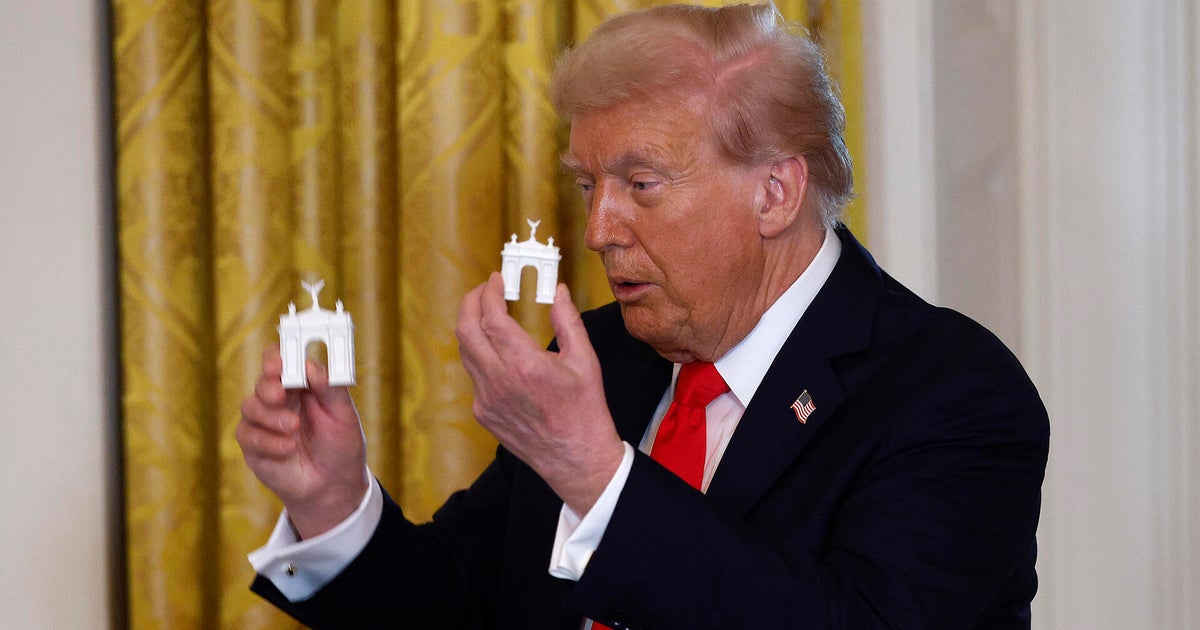
The OMB-approved NEH spending plan reserves $2.0M in special initiative funds and $13.0M in matching funds (total $15.0M) for President Trump's proposed Independence Arch. The White House has not disclosed an estimated cost for the arch; by contrast, the president says his White House ballroom project will cost $300–400M and be privately funded. It is unclear what additional private fundraising will cover, and the proposal raises logistical (flight-path near Reagan National) and political scrutiny risks tied to federal funding.
This project is a governance and procurement event more than a pure infrastructure spend — expect an extended timeline of oversight actions (IG/GAO inquiries, appropriations riders, state permitting and FAA/NEPA reviews) that create binary outcomes over a 3–24 month horizon. Those processes materially increase the probability of cost escalation, scope change, or cancellation; institutional contractors will price that tail risk into bids, compressing margins for any firm that wins early-stage work.
The supply-chain winners are likely to be a small cohort of specialist fabricators, heavy-civil subcontractors and firms that already hold federal programmatic relationships (engineering program managers, environmental/permit consultants). Mid-cap engineering firms that can package program management + permitting (vs. pure stone carvers) will capture the recurring, less politicized revenue, while boutique artisans will get one-off wins with lumpy cash flows and stretched balance sheets.
Politically charged projects attract non-market risks (donor freezes, corporate boycotts, state-level litigation) that can move stock prices sharply on reputational headlines rather than fundamentals. The election calendar amplifies this: near-term (months) headline risk around hearings or audits; medium-term (1–2 years) execution risk as permitting and FAA issues surface; long-term outcome is binary and tied to political control — value to contractors and local real estate is highly path-dependent.
Watchlist catalysts: IG/GAO reports, FAA airspace rulings, NEPA/environmental determinations, county permit votes, and major donor disclosure filings. Trade windows open on clear rulings (permit granted or denied) — before those, prefer option-defined exposure and small position sizes to reflect high event risk and directional uncertainty.
AI-powered research, real-time alerts, and portfolio analytics for institutional investors.
Request DemoOverall Sentiment
neutral
Sentiment Score
0.00
