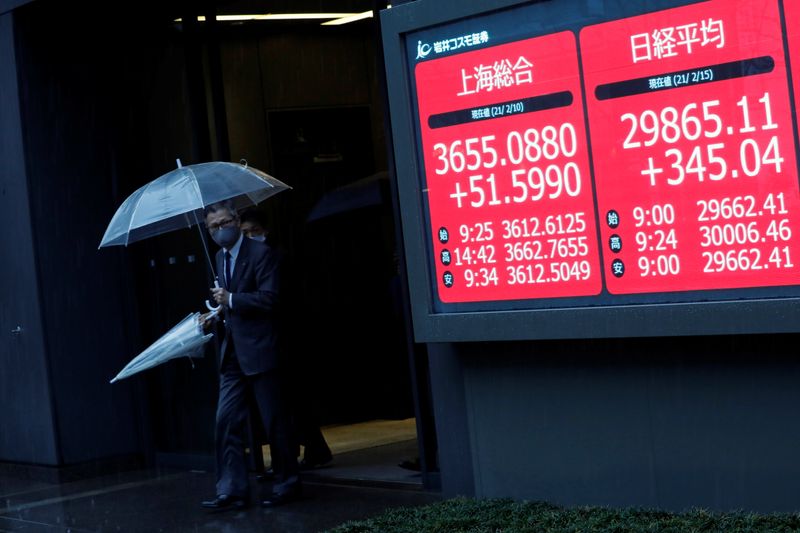
US military strikes in southern Iran and comments from Rubio that a Hormuz deal will take time kept risk sentiment volatile, while oil markets stayed reactive. July crude fell 5.17% to $91.61 a barrel, even as August Brent rose 1.82% to $95.12, and the Nikkei 225 slipped 0.29% amid broad sector weakness. Volatility picked up, with the Nikkei Volatility Index rising 4.76% to 29.70 and USD/JPY edging up 0.12% to 159.10.
The market is pricing a classic “geopolitical shock, but not yet a supply shock” setup: equities are signaling stress while Brent/WTI are already diverging, which usually happens when traders expect corridor risk rather than an immediate outright loss of barrels. The key second-order effect is not the strike itself but the probability distribution around Hormuz throughput; even a temporary insurance-premium spike can widen refining margins for non-Middle East barrels, while simultaneously penalizing transportation, airlines, and any operator with spot fuel exposure.
The most important tell is volatility, not direction in crude. Rising index vol alongside a softer Japanese tape suggests cross-asset de-risking and systematic selling can intensify over the next 1-5 sessions if headlines remain noisy; that favors short-dated option structures over cash equity directional bets. If the situation de-escalates quickly, energy and defense geopolitics unwind faster than people expect, but logistics and travel names usually lag the relief trade because fuel-cost hedging losses persist into the next reporting cycle.
Contrarianly, the market may be underestimating how quickly a “limited” disruption can distort Asian input costs without a formal supply cutoff. Japan is especially vulnerable through imported energy and weaker terms of trade, while yen weakness can cushion some exporters; this creates a relative-value opportunity between domestic transport/consumer cyclicals and exporters with pricing power. The noise around diplomacy can also keep implied vol bid even after spot risk fades, which is favorable for premium sellers only after the first post-event reaction subsides.
AI-powered research, real-time alerts, and portfolio analytics for institutional investors.
Overall Sentiment
mildly negative
Sentiment Score
-0.20
