


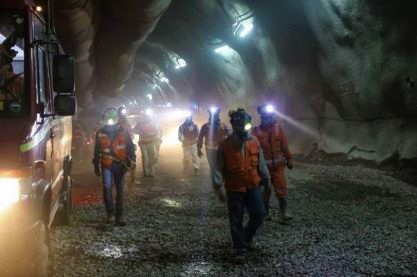
Brazil’s rare earth sector is drawing heightened government and intelligence scrutiny as the country’s 2nd-largest reserves become strategically important amid geopolitical tensions and supply-chain dependence on China. The key corporate development is USA Rare Earth’s April agreement to acquire 100% of Serra Verde and secure a 15-year offtake contract worth US$2.8 billion, which triggered a Cade antitrust review. Separately, Brazil’s Congress is advancing a critical minerals bill that could let a mostly government-run commission veto sector deals, adding regulatory uncertainty for investors and off-take contracts.
Brazil’s move toward tighter intelligence and regulatory scrutiny around rare earths is a sign that the sector is shifting from a mining story to a strategic-asset story. That usually means three things: longer permitting timelines, more discretion in asset vetting, and higher value for domestic processing capacity versus simple ore extraction. In practice, this can compress the valuation gap between projects with integrated separation/refining and those that still rely on foreign downstream buyers.
The immediate market winner is not necessarily the obvious acquirer, but the owners of politically defensible, non-China-linked supply chains. USAR may still benefit if it can frame its Brazilian asset as a trusted non-Chinese feedstock source for Western defense/EV customers, but the antitrust and sovereignty overlay raises execution risk and could delay the monetization of the offtake economics. MP is the cleaner read-through loser: even if it is not directly exposed to Brazil, allegations of tech leakage underscore how quickly IP risk can turn into litigation, margin pressure, and customer hesitancy across the sector.
The next catalyst is legislative, not operational. If the Senate bill gives the state veto power over offtake or ownership changes, financing costs for junior rare-earth developers could rise by 150-300 bps and reduce deal velocity for 6-12 months. Conversely, if the final framework preserves contract flexibility, this headline risk may fade and the sector could rerate on scarcity value; the market is currently pricing more friction than outright expropriation.
The contrarian angle is that heavier oversight may actually improve investability for the best projects by deterring speculative capital and forcing a quality filter. The bigger risk is not a ban but a slow-moving approval regime that strands optionality and makes Brazil look less reliable than peers like Australia or the U.S. That widens the premium for assets with existing permits, processing, and non-China offtake, while crushing purely promotional projects.
AI-powered research, real-time alerts, and portfolio analytics for institutional investors.
Request TrialOverall Sentiment
neutral
Sentiment Score
-0.05
Ticker Sentiment
