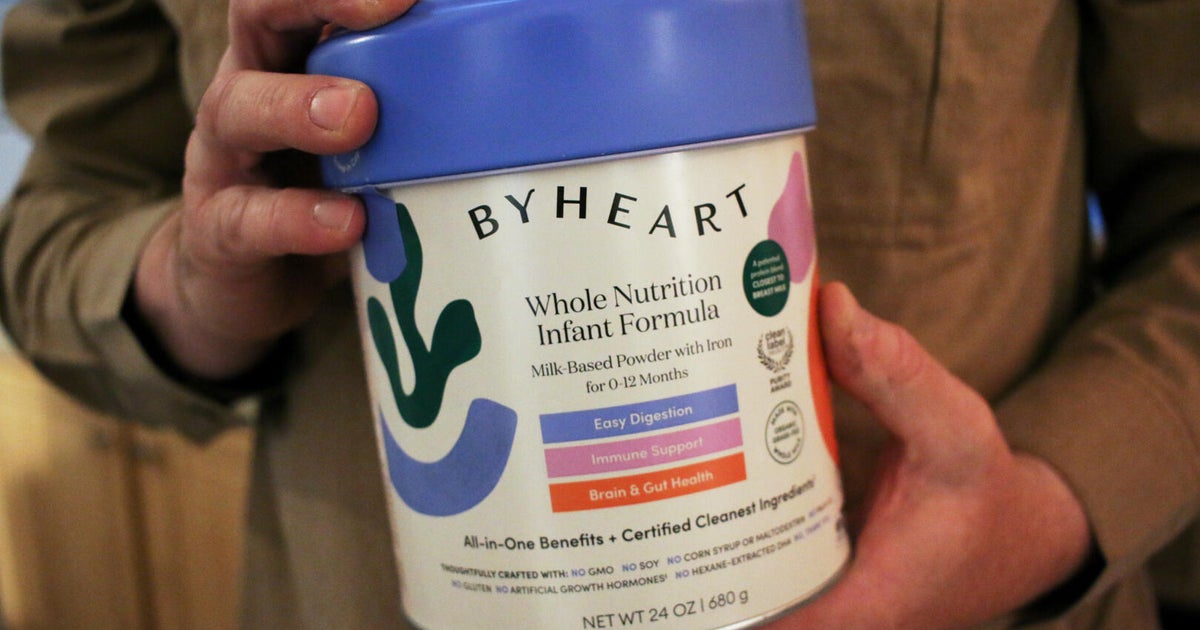
The FDA sent warning letters to Walmart, Target, Kroger and Albertsons after finding ByHeart infant formula tied to a botulism outbreak — which has sickened more than 50 infants in 19 states and which the CDC now links to all cases from ByHeart since 2023 — remained on shelves for days or weeks following a Nov. 11 recall; the agency cited specific instances of post‑recall sales and promotions, said retailers failed to provide evidence of corrective actions, and gave them 15 working days to respond. Walmart and Albertsons said they blocked sales and removed product while Target and Kroger had no public comment; the FDA reported no further shelf sightings after Nov. 26, 2025. The episode heightens regulatory scrutiny and potential legal, operational and reputational risk for major grocers and underscores weaknesses in recall communication and retail inventory controls across the supply chain.
The FDA issued warning letters on Dec. 12 to Walmart, Target, Kroger and Albertsons for failing to promptly remove ByHeart infant formula after a Nov. 11 recall of all products tied to a botulism outbreak that has sickened more than 50 infants in 19 states. The CDC expanded the outbreak definition to include all babies treated for botulism after consuming ByHeart formula since it was first produced in 2023, and the FDA gave the retailers 15 working days to respond and show corrective actions.
Agency investigators documented specific post-recall sales and displays: Target had product in 20 states “well after the recall,” a New Hampshire sale on Nov. 16 despite an electronic block, and a promoted $2 sale in Arkansas from Nov. 16–22; Walmart saw product in 21 states from Nov. 12–26; Albertsons in 11 states from Nov. 12–19; Kroger in 10 states from Nov. 12–19. Retailers failed to provide the FDA with evidence of corrective actions, though Walmart and Albertsons said they blocked sales and removed products; Target and Kroger did not comment.
The episode raises near‑term regulatory, legal and reputational risk for the named grocers and highlights weaknesses in recall communication and retail inventory controls — the FDA itself did not fully share product lists until Nov. 14 after an initial Nov. 8 limited recall. Sentiment is moderately negative and the market impact score (0.35) implies a tangible but contained short‑term pressure; monitor for enforcement action, litigation, compliance costs and consumer confidence effects in baby‑formula categories.
AI-powered research, real-time alerts, and portfolio analytics for institutional investors.
Request DemoOverall Sentiment
moderately negative
Sentiment Score
-0.55
