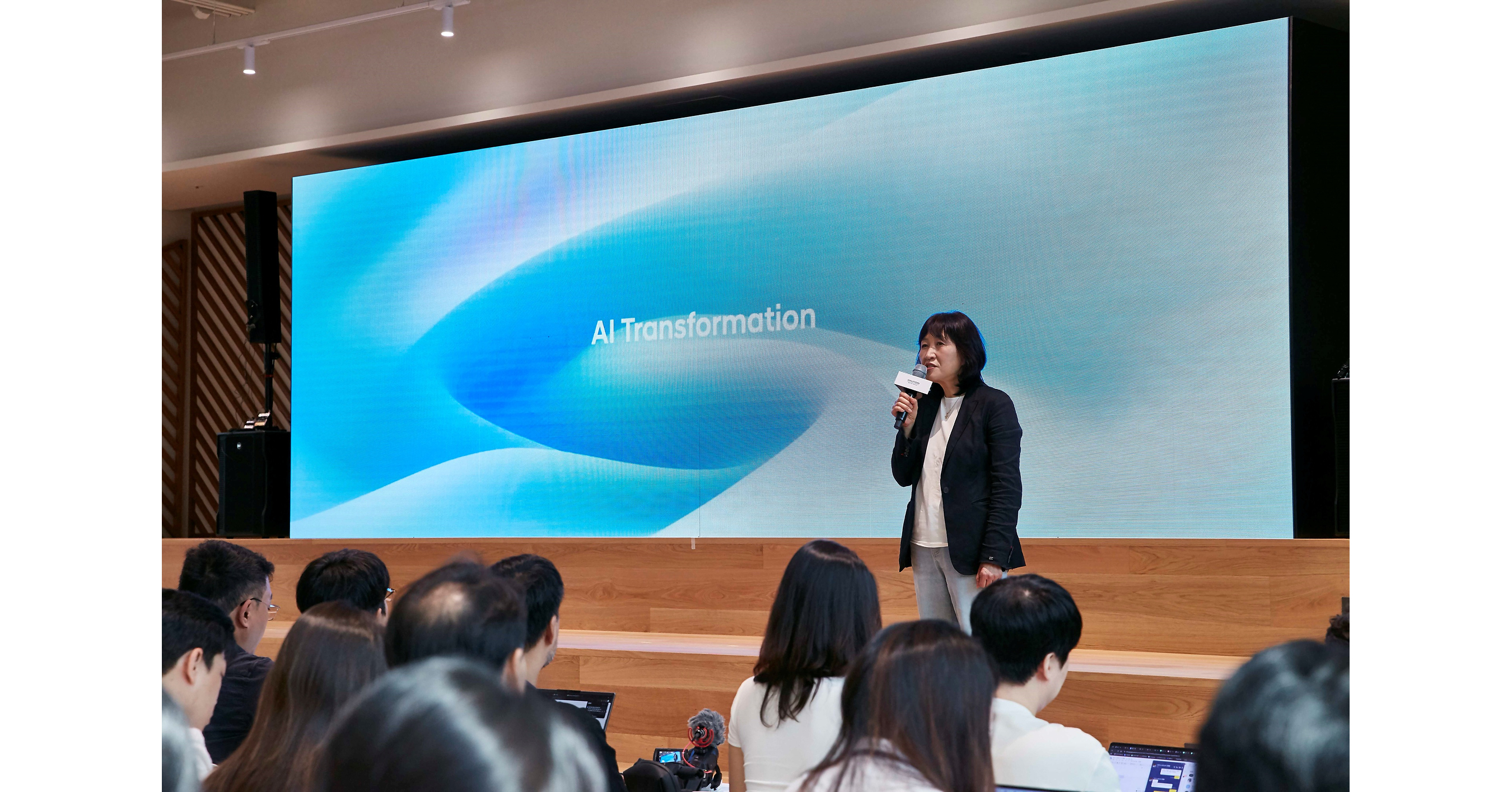
Hyundai Motor Group showcased its AI transformation progress, building an enterprise-wide foundation via its Global One Data Pipeline and broad adoption of generative AI tools including H Chat Pro. The company highlighted AI-powered applications across R&D, manufacturing, and customer support (e.g., Crash Safety AI Assistant, AI Automated Recognition Service, and E-FOREST: POLARIS) and outlined plans to move toward the “Physical AI” era using vehicle, robotics, and manufacturing data.
The real implication is not “AI adoption” but a widening execution gap between OEMs that can turn operational data into cycle-time and warranty gains versus those still treating software as a feature add-on. If Hyundai actually uses its data backbone to shorten design-to-production loops, the benefit compounds across launch cadence, quality, and aftersales economics — three areas where legacy automakers leak margin and are slow to recover.
Near term, this is mostly a sentiment event: it supports multiple expansion only if investors believe the company can convert process discipline into measurable EBIT improvement, not just lower SG&A. The first things to watch are warranty accruals, recall frequency, and manufacturing scrap/rework — those are the cleanest early signals that the AI stack is affecting P&L. If those metrics do not improve over the next 1-3 quarters, the announcement stays in the category of corporate modernization theater.
Second-order, this is a competitive warning shot to global OEMs with weaker data integration, especially those still fragmented across brands and plants. It also points to a potentially larger budget shift toward industrial automation, machine vision, and factory software rather than pure automotive suppliers; however, that tailwind will likely be diffuse and slow unless Hyundai commits incremental capex. The contrarian view is that the moat is still manufacturing culture and organizational adoption, not the models themselves, so the market may be overestimating how quickly AI translates into differentiated vehicle economics.
AI-powered research, real-time alerts, and portfolio analytics for institutional investors.
Overall Sentiment
mildly positive
Sentiment Score
0.18
Ticker Sentiment
