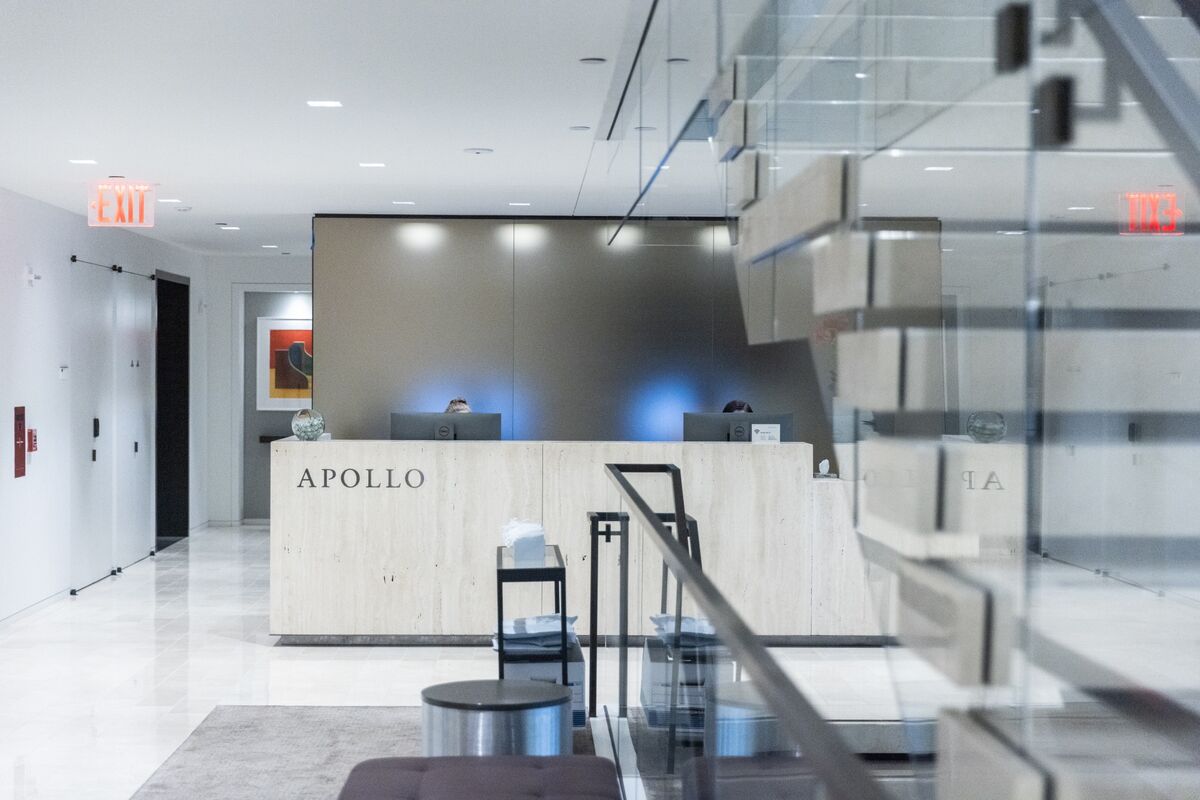
A portion of Apollo’s record $35B AI chip credit package tied to Broadcom and Anthropic will begin trading in the next few months as debt is drawn and becomes eligible. By early next year, roughly $15B is expected to be available for trading, expanding liquidity for this financing structure and supporting further AI infrastructure buildout.
This matters less as a single financing and more as a pricing event for the AI capital stack. Once a marquee private-credit position starts trading, it creates a live reference point for every lender underwriting AI infra: funding costs, liquidity haircut assumptions, and the market’s willingness to finance long-duration capex with instruments that were previously opaque. That is structurally positive for APO and BX because the real economic advantage is not just origination spread but fee generation, recycling capacity, and the ability to intermediate between patient and fast capital.
Near term, the first tradable prints will influence the cost of capital for the whole AI ecosystem. If those tranches clear tightly, it lowers the effective WACC for vendors tied to data-center buildout, networking, and power equipment; if they cheapen materially, it is an early warning that AI capex is becoming more dependent on a still-fragile financing market. The second-order loser is the broader private-credit pitch: once a flagship deal is marked and traded, investors will compare marks across managers, and any slippage can pressure fundraising terms for follow-on deals.
Consensus is likely overstating the benefit to AVGO and understating it for the managers. AVGO gets incremental financing flexibility, but the equity still trades primarily on whether AI demand converts into durable cash flow rather than on whether one debt package clears. The contrarian risk is that a liquid secondary market attracts momentum capital into a structure designed for hold-to-maturity buyers; if spreads gap wider after launch, the feedback loop could quickly reprice the AI credit complex and slow issuance for 1-3 months.
AI-powered research, real-time alerts, and portfolio analytics for institutional investors.
Overall Sentiment
mildly positive
Sentiment Score
0.25
Ticker Sentiment
