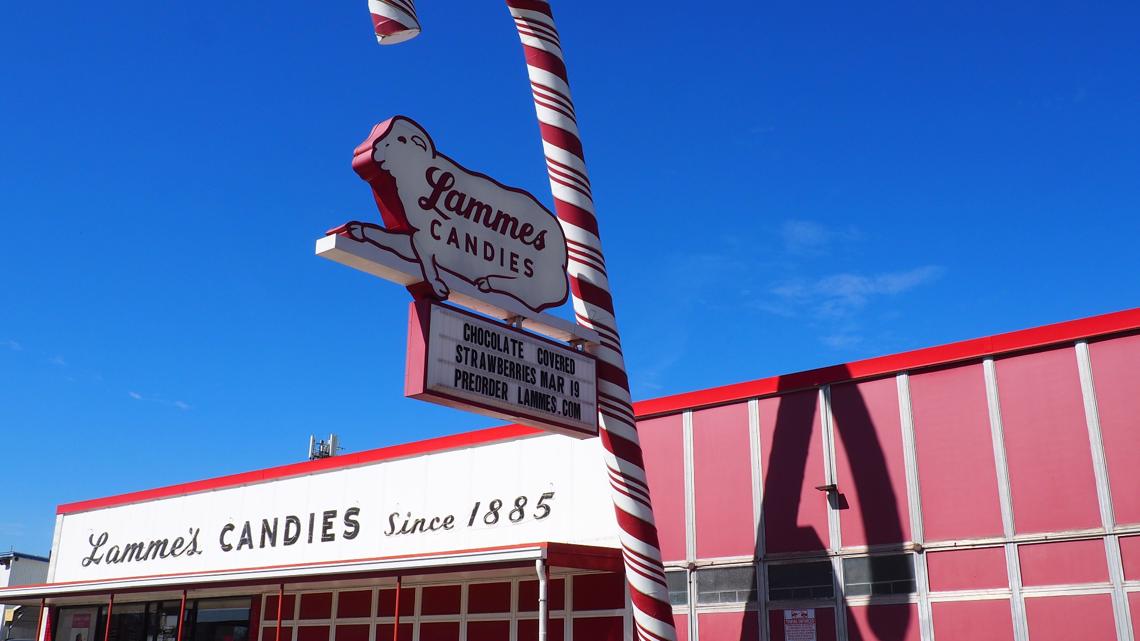
Lammes Candies, Austin’s oldest continuously run family business, is shutting down after 141 years, with the Round Rock location already closed on April 24 and the flagship store to remain open only a bit longer. Management cited changing market conditions and long-term sustainability concerns as the reason for the closure. The news is sentiment-negative for the company and its local retail footprint, but the broader market impact is limited.
This is less a one-off nostalgia story than a clean signal that discretionary, high-touch local retail is still under margin pressure even in categories with strong emotional branding. Family-owned specialty food businesses tend to have the least flexibility on labor, rent, and shrink, so when they start closing legacy locations it usually reflects a multi-year erosion in unit economics rather than a single bad quarter. The second-order effect is not on large confectionery incumbents so much as on adjacent mall and strip-center traffic: these shops often act as destination anchors that spill over into neighboring tenants, so their exit can modestly weaken low-footfall retail corridors.
The beneficiaries are the businesses that can industrialize nostalgia better than the original operator: regional grocery chains, e-commerce candy platforms, and national seasonal gifting brands with lower fixed-cost intensity. In practice, this shifts share toward mass retailers that can absorb price-sensitive impulse purchases with broader baskets, while boutique competitors face a tougher conversion funnel because consumers will still value “authenticity” but increasingly purchase it through lower-friction channels. Supply-wise, the most fragile link is not candy demand itself but specialty ingredient and local distribution relationships, which tend to be loss-making at small scale and become uneconomic once volume slips below a threshold.
The catalyst path is mostly slow-burn over months, not days: closure of the remaining flagship should compress local impulse demand immediately, but the broader read-through to consumer weakness only matters if more heritage retailers begin citing the same language around sustainability. The contrarian view is that this may be more idiosyncratic than macro—family succession, lease resets, and deferred capex can force closures even in a healthy demand environment. If so, the trade should avoid over-indexing to consumer softness and instead focus on operators with structurally better unit economics and omnichannel execution.
AI-powered research, real-time alerts, and portfolio analytics for institutional investors.
Request DemoOverall Sentiment
moderately negative
Sentiment Score
-0.45
