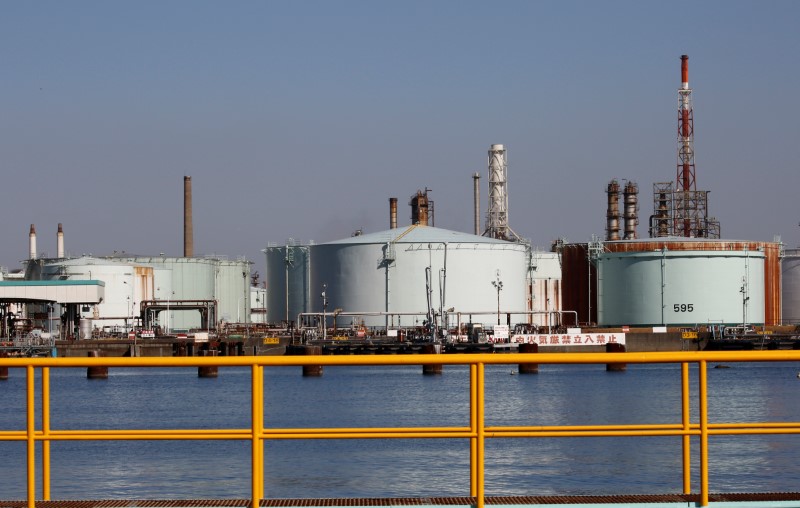
Brent crude is persistently testing $100/barrel amid the U.S.-Israel-Iran conflict while U.S. production remains near 13.3 million barrels per day, providing a shale-driven cushion. A coordinated 400-million-barrel strategic release (including 180m barrels from the U.S. SPR and 80m from Japan) has been announced, but gasoline near $5/gal is still denting consumer sentiment and driving headline inflation risk to the Fed's soft-landing outlook. Higher oil prices shift income toward energy-producing states via increased shale capex but threaten to erode middle-class consumption and raise costs across airlines and retail logistics.
The macro transmission of an energy shock has bifurcated: benefits now accrue quickly and unevenly to onshore producers via a capex and wage feedback loop while losses concentrate in broad-based consumption-sensitive categories. Expect upstream capex to reaccelerate within 3–6 months after sustained price moves, but realized production additions typically materialize on a 9–18 month cadence, keeping commodity volatility elevated in the interim and creating a multistage payout profile for E&P equities.
Retail and logistics margins absorb the shock in two waves — an immediate freight and diesel cost pass-through to COGS over 1–2 quarters, then a slower consumer composition shift as discretionary spend rebalances over 6–12 months. Market leaders that can reprice supply-chain fees or shift to subscription revenue (faster pass-through) will outperform bricks-and-mortar players that rely on low-margin, high-frequency staples; this produces a durable relative-performance dispersion across the retail universe, not a uniform hit.
Key catalysts to watch are (a) tactical inventory releases or diplomatic moves that remove the short-term risk premium (days–weeks), (b) the monthly CPI/trucking diesel series which will govern Fed communication risk (weeks–months), and (c) the pace of Permian/EF recovery capex which sets medium-term supply reaction (9–18 months). The consensus underestimates concentration risk — headline resilience in aggregate GDP masks regional overheating and credit-cycle stress in service sectors tied to gasoline-sensitive households, creating asymmetric opportunities for pairs and sector rotation trades.
AI-powered research, real-time alerts, and portfolio analytics for institutional investors.
Request DemoOverall Sentiment
mildly negative
Sentiment Score
-0.30
Ticker Sentiment
