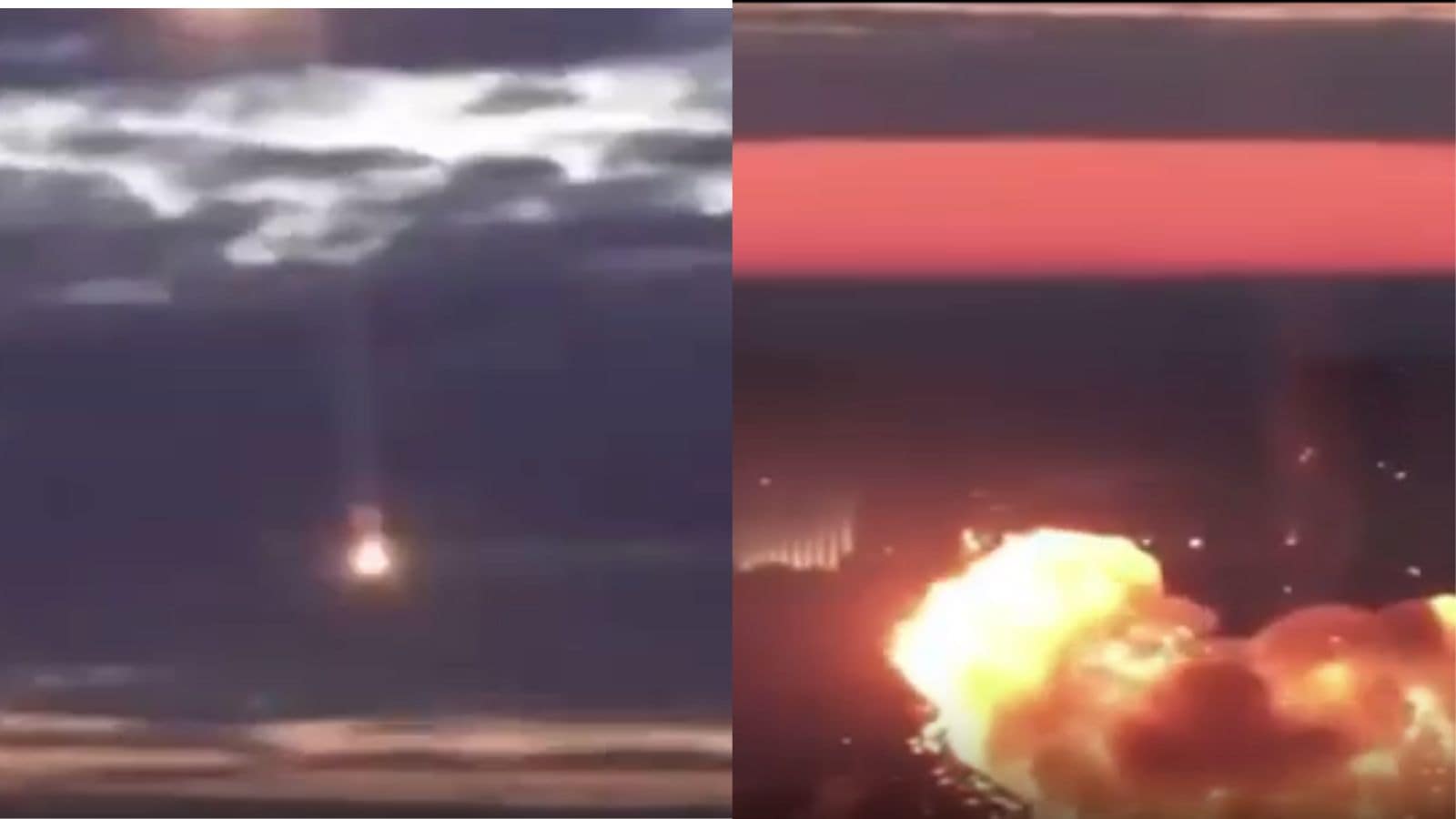
Kyiv suffered one of the war’s largest overnight attacks, with roughly 600 drones and 90 missiles launched and at least 4 people killed, while dozens were injured. Damage was reported to homes, schools, markets, and business buildings, including a destroyed business center near Lukianivska metro. Russia said the strike was a response to Ukrainian attacks and confirmed use of the Oreshnik hypersonic ballistic missile, underscoring a major escalation in the conflict.
This is a geopolitical escalation event with limited immediate equity beta, but the second-order market effect is a gradual repricing of European security capex and a higher probability of intermittent risk-off spikes in EM assets. The key signal is not just intensity, but the willingness to use mixed strike packages against dense urban infrastructure, which raises the perceived tail risk for any ceasefire framework and increases the option value of air-defense, electronic warfare, and hardened communications systems across NATO’s eastern flank.
The most investable read-through is not Ukraine itself but the procurement cycle in Europe: air-defense interceptors, radar, short-range point defense, and critical-infrastructure hardening should see a sustained budget uplift over the next 12–24 months. Suppliers with backlog visibility and domestic production capacity are better positioned than pure-play munitions names exposed to bottlenecks; the bottleneck shifts from demand to manufacturing throughput and guided-missile component availability. Expect allied governments to prioritize replenishment stockpiles, which supports a multi-quarter revenue tail for defense primes and select industrials tied to shelters, power redundancy, and secure telecom.
For EM, the immediate risk is a sentiment washout rather than direct fundamental damage: higher headline war intensity tends to widen sovereign spreads in nearby credits and pressure currencies with external financing needs, even if trade channels are not directly exposed. The contrarian point is that the market may already discount a high base rate of conflict, so the trade is likely better expressed through relative value and volatility than outright directional macro shorts. If there is no further geographic spillover or energy infrastructure disruption, the selloff in EM risk should fade within days; if attacks persist or broaden, the repricing window extends into weeks.
AI-powered research, real-time alerts, and portfolio analytics for institutional investors.
Request DemoOverall Sentiment
extremely negative
Sentiment Score
-0.95
The biggest hidden risk is policy fatigue: if Western replenishment lags while inventories remain thin, defense beneficiaries can outrun near-term earnings delivery, creating a gap between narrative and execution. That makes this a tape to trade on pullbacks, not chase after gap moves, unless there is a clear follow-on escalation that changes procurement urgency again.
