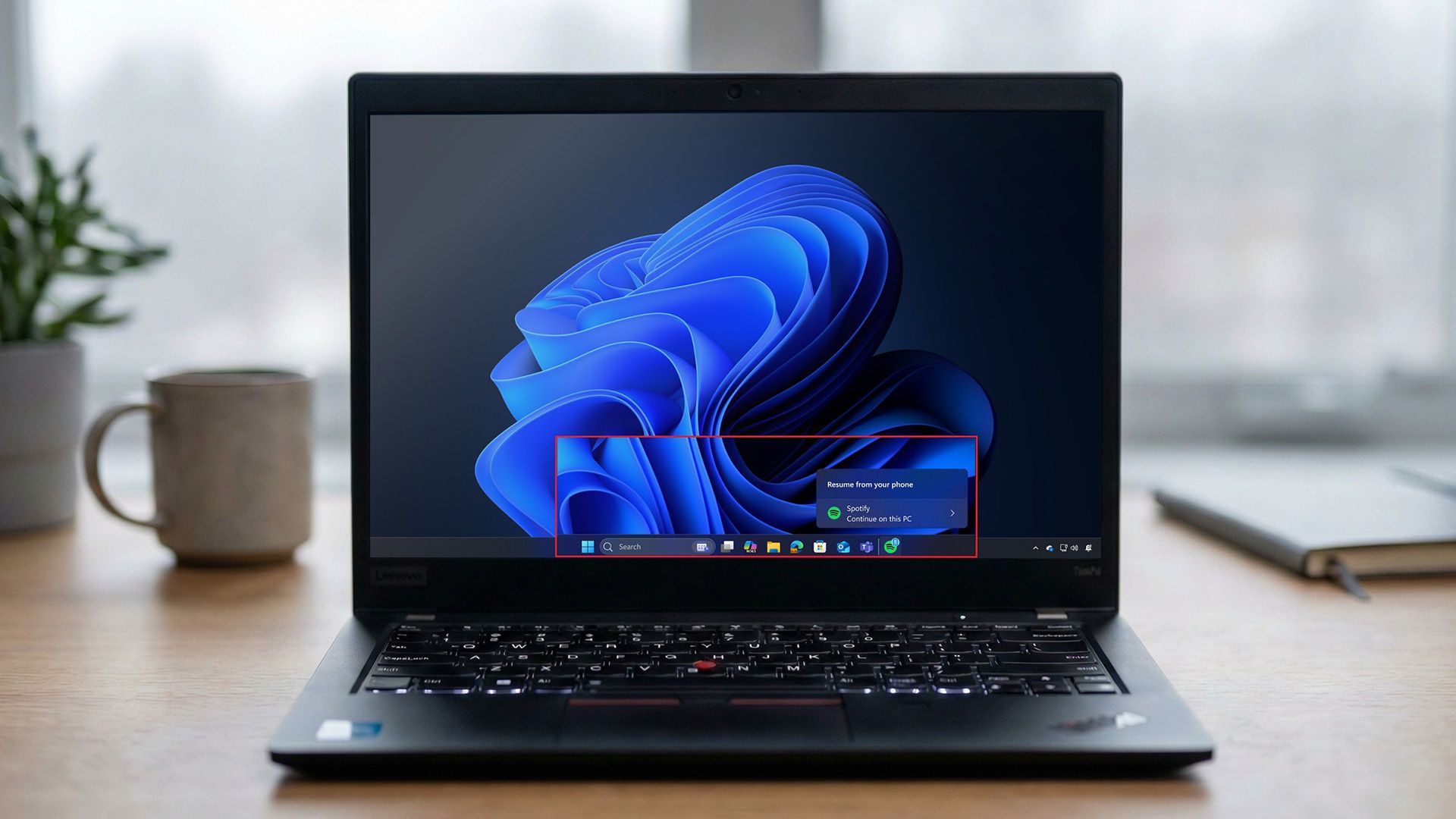
Microsoft will begin rolling out its February 10, 2026 Patch Tuesday update for Windows 11 (versions 25H2 and 24H2), adding Cross‑Device Resume for Android apps, expanded Windows MIDI Services (including MIDI 2.0 and WinMM/WinRT support), a new Device info card in Settings, the ability to toggle Smart App Control without reinstalling the OS, expanded Windows Hello ESS support for external fingerprint readers, File Explorer network-navigation speed improvements, and Voice Access/Typing enhancements. The update is available in the Release Preview Channel and will move to Stable shortly; IT teams are advised to create system restore points and full backups due to recent quality/uninstallation issues. These are product-quality and security improvements likely to affect enterprise device management and user experience but are unlikely to meaningfully move markets.
Market structure: Microsoft (MSFT) is the clear beneficiary — incremental engagement from Cross‑Device Resume, Copilot integration and easier Smart App Control toggling increases Windows stickiness and telemetry that can lift Microsoft 365/Copilot monetization modestly (estimate +0.5–1.5% revenue tail over 12 months). Peripheral vendors (fingerprint/sensor suppliers) and pro‑audio/MIDI hardware/software vendors gain optionality if MIDI 2.0 adoption accelerates; Spotify (SPOT) sees a tiny usage boost from resume features but no material monetization change.
Risk assessment: Main tail risk is a buggy Patch Tuesday causing widespread rollbacks (historical precedent: multi‑percent stock drag for platform vendors); if rollback/uninstall rates exceed ~1–2% of users or if enterprise images are blocked, MSFT sentiment can reverse quickly within days. Hidden dependencies include OEM partnership rollouts (Samsung, Xiaomi, Vivo) and Copilot adoption — feature visibility will lag by 4–12 weeks as CFR completes. Catalysts: Stable‑channel rollout (Feb 10–Mar), OEM/Copilot partner announcements, and enterprise security policies adopting external Windows Hello ESS.
Trade implications: Equity play favors a modest long in MSFT with downside protection; implied volatility for MSFT options should compress after rollout, favoring calendar/covered spreads. Buy selective suppliers (e.g., SYNA) for 6–12 month hardware upside if partner wins are disclosed. Avoid levering SPOT solely on resume feature — downside asymmetry vs. MSFT is unattractive.
AI-powered research, real-time alerts, and portfolio analytics for institutional investors.
Request DemoOverall Sentiment
mildly positive
Sentiment Score
0.28
Ticker Sentiment
Contrarian angle: The market underestimates MIDI 2.0 and external ESS as multi‑year hardware demand drivers — small cap sensor and audio companies could outperform if OEMs integrate quickly. Conversely, consensus may be complacent about update quality; a single high‑profile rollback could create a 5–8% repricing event for MSFT in days, presenting a buy‑the‑dip opportunity.
