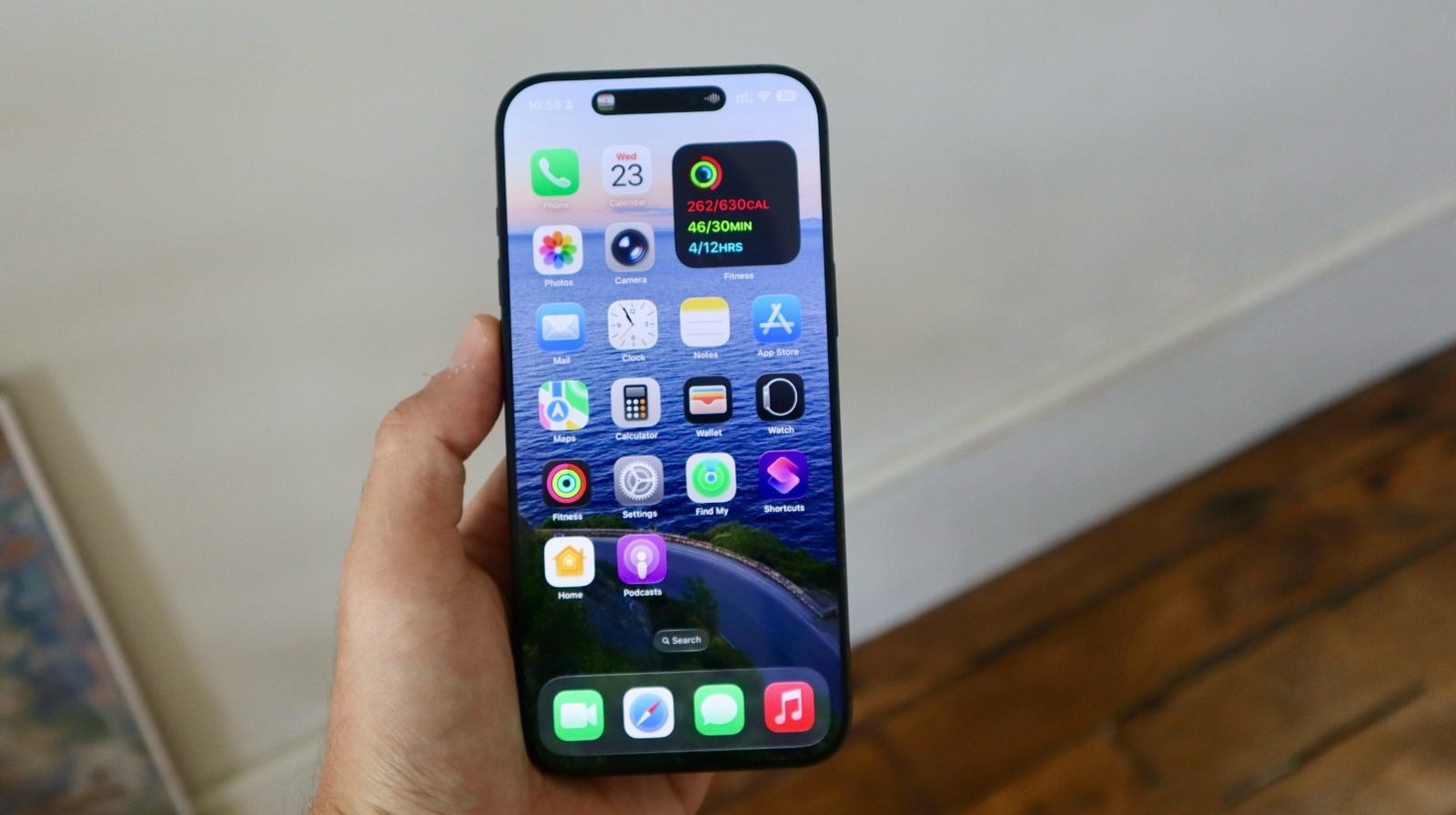
Apple is preparing iOS 26.3 beta 2 ahead of a final build expected in late January, introducing EU-specific changes—notably allowing third-party smartwatches to receive iPhone notifications and an NFC enhancement for improved data sharing over Wi‑Fi—likely driven by regulatory requirements. The update also adds a native Android-to-iPhone transfer feature (coordinated with Android 16) to ease switching, a seasonal wallpaper, and parallel beta seeds for iPadOS, macOS, watchOS, tvOS and visionOS; implications include reduced friction for device switching and potential competitive shifts in the smartwatch ecosystem in Europe.
Market structure: iOS 26.3 betas signal a two‑track outcome — Apple retains global iPhone upgrade demand via smoother Android→iPhone migration (modest positive for AAPL), while EU‑only notification/NFC concessions materially loosen Apple Watch lock‑in in Europe. Winners: AAPL (global OS improvements, services cross‑sell) and third‑party watch OEMs in EU (potential share gain); losers: Apple’s EU wearables pricing/power and any Apple‑exclusive accessory incumbents. Cross‑asset: expect a small positive to AAPL equity (0–3% sentiment lift) and mild IV compression; FX/EUR impact negligible unless EU rulings widen. Risk assessment: low‑probability/high‑impact tail risks include further EU mandates (sideloading, deeper API access) that could reduce services/wearables ARPU by low single digits (3–5%) over 12–24 months. Immediate (days): limited; short (weeks/months): beta volatility and sentiment swings around the late‑Jan final build; long (quarters): potential gradual erosion of EU attach rates if third‑party adoption accelerates. Hidden dependency: third‑party OEM uptake requires robust APIs and hardware support — Apple can still limit functionality, muting the theoretical impact. Key catalysts: final iOS release (~late Jan 2026), EU regulator decisions (60–180 days). Trade implications: tactical overweight AAPL for a modest catalyst trade into late‑Jan (target +8–12% in 3 months) while hedging regulatory downside; initiate small^ long positions in EU‑exposed smartwatch makers (e.g., GRMN) as a 3–12 month thematic with stop‑losses. Options: use short‑dated bullish call spreads to cap premium and exploit expected IV compression after release. Rotate modestly toward consumer hardware and keep services/recurring‑revenues exposure stable; trim sectors reliant on Apple Watch exclusivity if EU enforcement escalates. Contrarian angles: consensus frames this as benign beta news — it understates cumulative EU regulatory risk and the asymmetric impact on wearables attach rates in Europe. Historical parallels (past Apple EU concessions) show modest revenue hits initially, but this is more direct to hardware lock‑in so downside could be larger than markets expect if third‑party adoption accelerates >150–200 bps of EU attach‑rate decline. Unintended consequence: easier switching may boost iPhone activations in non‑EU markets via perception effects, partially offsetting EU losses; monitor EU attach rate and weekly activation trends for early signs.
AI-powered research, real-time alerts, and portfolio analytics for institutional investors.
Request DemoOverall Sentiment
mildly positive
Sentiment Score
0.10
Ticker Sentiment
