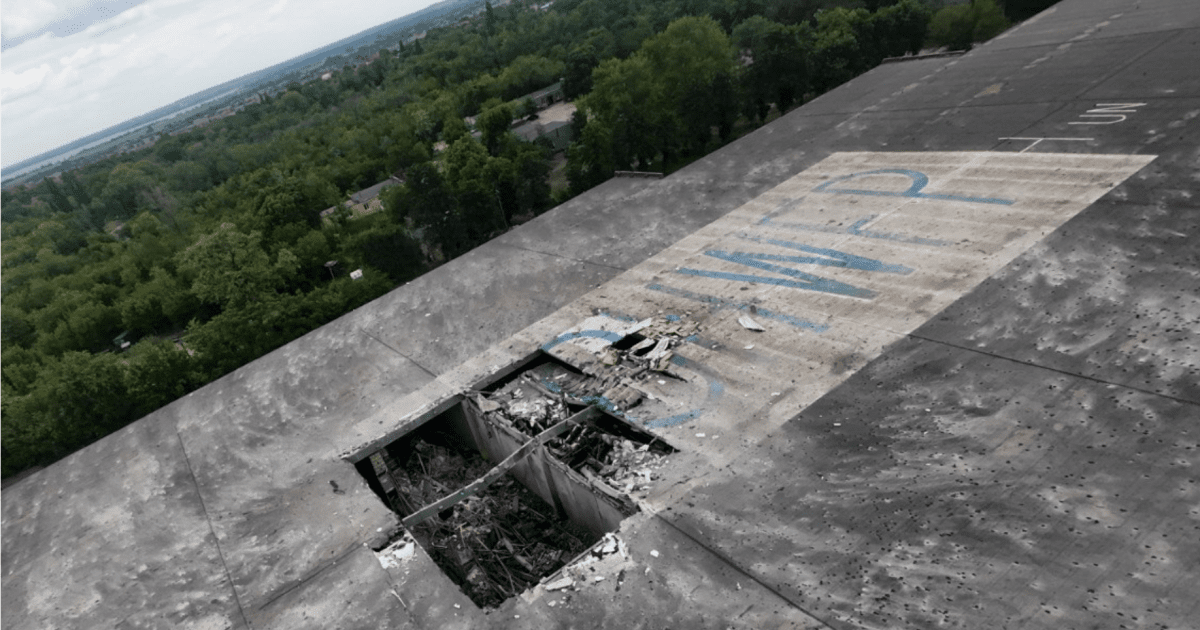
A Russian Iskander missile destroyed a UN World Food Programme warehouse in Dnipro, wiping out humanitarian food aid worth $1.4 million intended to support 130,000 people near the front line. The WFP said it has recorded more than 84 incidents affecting its warehouses, transport, and aid distribution assets across Ukraine over the past 18 months. The attack underscores escalating risk to civilian and humanitarian infrastructure in the war and may further disrupt relief logistics.
This is not just a humanitarian shock; it is a signal that Russia is willing to burn Western/UN-marked logistics to raise the operating cost of aid delivery. The second-order effect is a shrinking effective supply corridor in eastern/southern Ukraine: donors can fund replacement inventory, but if storage and distribution nodes remain targetable, throughput—not capital—becomes the binding constraint. That tends to push relief operators toward smaller, more dispersed inventory and higher-frequency moves, which raises unit costs and creates persistent demand for convoys, hardening, and security services.
For public markets, the direct read-through is more relevant to defense and infrastructure-hardening than to any single humanitarian operator. Systems that improve interception, last-mile protection, and rapid reconstruction should see incremental budget support, while firms exposed to Ukrainian physical logistics face recurring disruption risk rather than one-off impairment. The broader geopolitical implication is that attacks on clearly marked aid assets increase pressure on NATO states to supply more air defense and counter-UAS capability, which can accelerate procurement cycles over the next 1-3 quarters.
The key risk catalyst is escalation rather than de-escalation: if aid nodes are repeatedly hit, western governments may respond with more defensive systems, tighter sanctions enforcement, or deeper funding for reconstruction logistics. Conversely, any pause in attacks or credible ceasefire channel would reduce the urgency premium quickly. The market may be underestimating how durable the need becomes for mobile air defense, perimeter surveillance, and protected transport assets even if frontline intensity fluctuates.
Contrarian angle: the immediate emotional reaction is to sell anything Ukraine-adjacent, but the investable effect may be a slow, multi-quarter increase in contract size for defense suppliers and logistics-hardening vendors rather than an outright deterioration in end demand. The bigger loser is not the aid system itself, but the efficiency of the supply chain—meaning replacement spend can actually rise as losses mount.
AI-powered research, real-time alerts, and portfolio analytics for institutional investors.
Request DemoOverall Sentiment
extremely negative
Sentiment Score
-0.86
Ticker Sentiment
