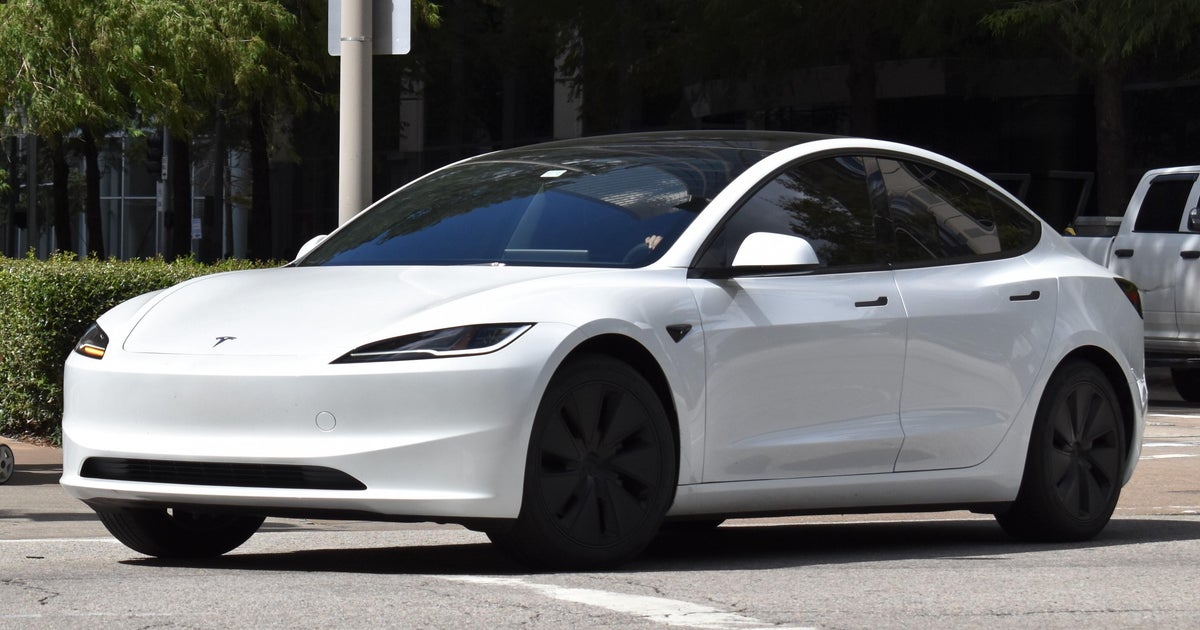
U.S. safety regulators (NHTSA) opened a probe on Dec. 23 into the emergency door handles on roughly 179,000 Tesla Model 3 vehicles from the 2022 model year after a consumer complaint alleged the mechanical door release is "hidden, unlabeled and not intuitive" and the owner claimed he escaped through a rear window after a fire. The action follows prior incidents — including a 2023 Tacoma crash where a door-handle issue impeded rescue and a Bloomberg report citing at least 15 deaths over a decade tied to inability to open Tesla doors — raising regulatory scrutiny, litigation risk and potential recall/reputational costs for Tesla that could pressure the company’s stock and increase contingency liabilities.
Market structure: This NHTSA probe (covers ~179k 2022 Model 3s) is a targeted operational/regulatory shock that directly hurts TSLA’s consumer confidence and could impose recall/repair costs (rough order $100–$500/vehicle → $18m–$90m). Relative winners are legacy OEMs (F, GM) and insured-aftermarket service providers who can lean on safety/recall credibility; pure-play EV peers with clean safety records could capture marginal demand. Pricing power: expect a near-term hit to Tesla’s premium multiple (5–15% multiple compression risk if investigation widens), but not an immediate systemic supply disruption to EV availability.
Risk assessment: Tail risks include a broad safety recall, multi-state litigation cascade, or formal enforcement leading to fines/deliverables constraints; collectively these could produce >25% downside to TSLA equity in 3–12 months. Immediate timeline: days of elevated IV and trading volatility; short-term (30–90 days) for NHTSA findings; long-term (6–24 months) for brand/market-share erosion. Hidden dependencies: Autopilot/UX integration, supplier design approvals, and state AG suits that can amplify damages beyond repair costs. Key catalysts: NHTSA preliminary report (30–90 days), class-action filings, Bloomberg follow-ups, and any recall announcement.
Trade implications: Direct tactical plays favor asymmetric downside protection on TSLA — small short or put spreads sized 1–3% of fund NAV, timed to the next 30–90 days of investigation newsflow. Relative-value: go long F and GM (1–2% each) vs short TSLA to capture rotation from perceived unsafe/high-beta EV risk to tested OEMs; target 6–12% outperformance over 3–6 months. Volatility strategies: buy 60–120 day TSLA put spreads to limit cost, or buy a calendar put if expecting slow drip of negative headlines.
Contrarian angles: Consensus may overprice existential risk; past large recalls (e.g., Toyota 2010) produced a sharp interim drawdown then multi-quarter recovery — if NHTSA finds labeling/UX fixes only, TSLA could recover 10–25% quickly. Mispricings: elevated IV offers cheap, limited-loss bearish structures rather than naked shorts; unintended consequence of heavy shorting is squeezes when Tesla issues quick remedy/OTA fix. Prepare rules-based entry: scale into bearish exposure only after a 8–12% TSLA move or failure to get a timely corrective action within 30 days.
AI-powered research, real-time alerts, and portfolio analytics for institutional investors.
Request DemoOverall Sentiment
moderately negative
Sentiment Score
-0.50
Ticker Sentiment
