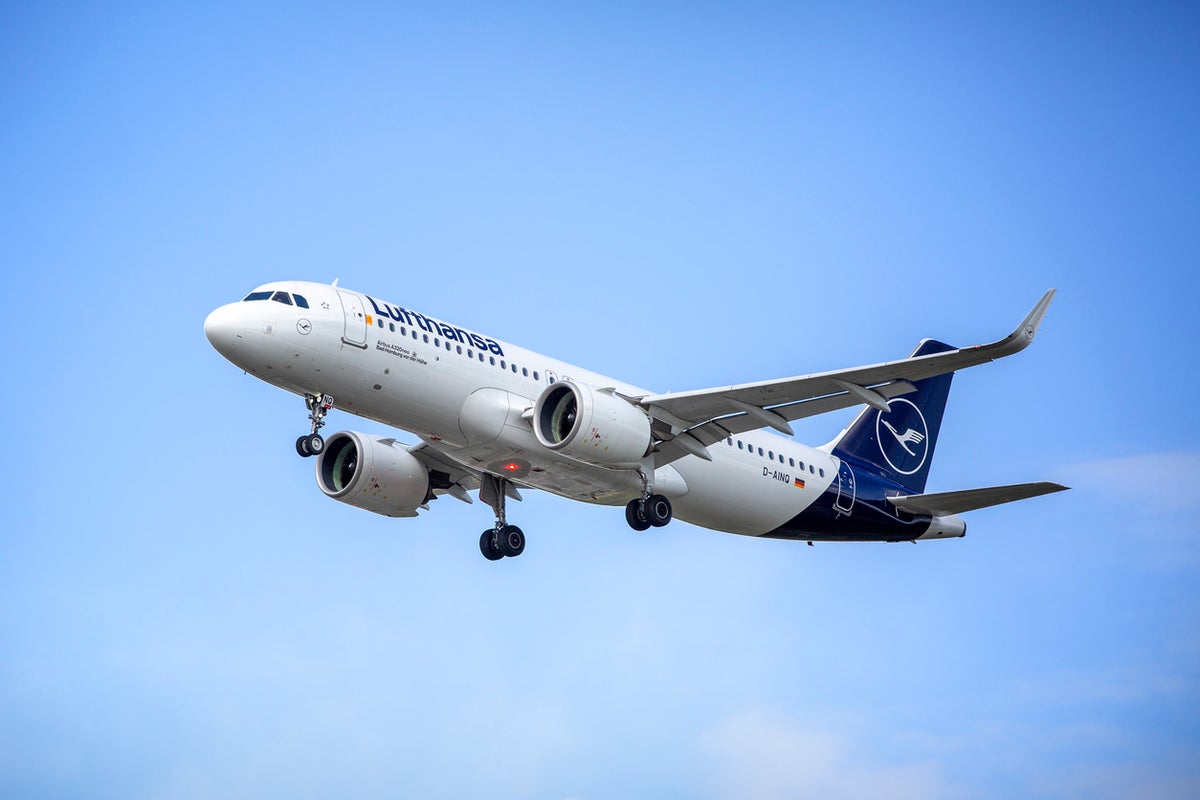
A sharp jet fuel spike to roughly $150-$200 per barrel is forcing airlines to cut capacity, cancel flights, add surcharges, and raise baggage fees, with United saying fares may need to rise 15%-20% and Lufthansa canceling 20,000 flights over six months. Multiple carriers also lowered or withdrew guidance, including Delta, Air New Zealand, Qantas, Southwest, and Spirit, underscoring broad margin pressure from fuel costs. The article highlights a sector-wide hit driven by Middle East conflict and potential disruptions to roughly 75% of Europe’s jet fuel supply from the region.
The immediate market read is that airlines are moving from margin compression to revenue extraction, but the benefit is uneven. UAL and DAL have enough network power to push ancillary pricing through, while low-cost and leisure carriers like JBLU, LUV, and AC.TO are more exposed because their customers are more price sensitive and their load factors can deteriorate faster once fee inflation becomes visible. The second-order winner is not the airlines themselves but airport/ground service and lessor-linked fleets with stronger contractual pass-through, while weaker carriers are forced into capacity cuts that hand share to the strongest domestic networks.
The key risk is timing mismatch: fares and baggage fees reprice within weeks, but fuel shocks hit cash flow immediately, so the next 1-2 quarters are where earnings revisions get ugly. That creates a setup where management teams guide down before they can fully reprice, which typically drives estimate resets and multiple compression. Over the next 3-6 months, the carriers most likely to underperform are those with high short-haul exposure and weaker corporate contracts, especially if business travel softens once discretionary fares reset higher.
The contrarian angle is that the market may be underestimating how quickly air traffic demand normalizes after the initial shock. If the fuel spike proves temporary, airlines with disciplined capacity like DAL and UAL may actually expand unit margins in 2H by forcing the industry into rational pricing and removing unprofitable flying. The more durable signal is not headline fares, but whether booking trends deteriorate after the first round of surcharges; if consumers absorb the increases, this becomes a selective earnings-positive event for the strongest carriers rather than a sector-wide profit collapse.
AI-powered research, real-time alerts, and portfolio analytics for institutional investors.
Request DemoOverall Sentiment
strongly negative
Sentiment Score
-0.78
Ticker Sentiment
