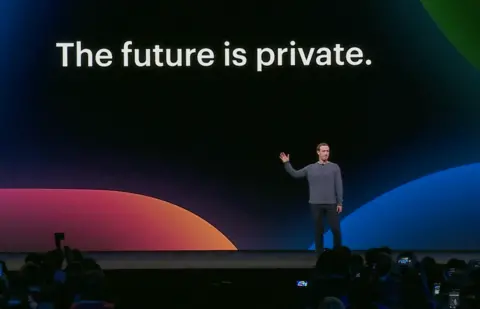
Meta is switching off end-to-end encryption for Instagram direct messages globally, ending support after 8 May 2026 and reverting users to standard encryption. The move is being framed as a privacy reversal, with child protection groups welcoming it and privacy advocates criticizing it as a step backward and potentially influenced by government pressure. Meta says the feature saw too little opt-in use, while analysts also point to broader implications for AI training data and the future spread of E2EE across social platforms.
Meta’s move is less about one product toggle and more about re-optimizing the value of private communications inside its ecosystem. Removing stronger encryption increases the addressable surface for ad-targeting, safety tooling, and future AI training pipelines, which is strategically important even if management frames the decision as low demand. The second-order effect is that Meta is signaling to regulators and policymakers that it is willing to trade some privacy optionality for moderation/control and model utility, which could lower near-term regulatory friction in some jurisdictions while raising long-run trust costs.
Competitive dynamics likely split two ways. Dedicated privacy-native messengers should see a relative credibility boost, but the bigger winner may be the broader “good enough” encrypted default stack already embedded in iMessage, WhatsApp, and Signal, because user migration friction increases when one large consumer app steps back from privacy leadership. For advertisers and AI vendors, the implication is that user communications remain a high-value proprietary dataset, and Meta is reinforcing the moat around its closed-loop graph; that can support engagement monetization, but it also enlarges headline risk around data-use policy shifts.
The main catalyst window is regulatory rather than product-driven over the next 3-12 months. The tail risk is that privacy NGOs or EU/UK policymakers use this reversal as evidence of strategic inconsistency, increasing the probability of disclosure requirements, model-training restrictions, or messaging-data retention rules. Conversely, if Meta can demonstrate lower abuse rates or improved moderation metrics after the change, the market may look through the reputational noise and treat this as a modest positive for platform governance and AI optionality.
The contrarian miss is that the market may be underestimating how little direct P&L sensitivity there is to this specific feature change. The real economic impact is likely indirect: sentiment drag, regulatory attention, and incremental churn among a privacy-sensitive cohort. That means any selloff in META should be bought only if it coincides with unchanged ad-demand and no new policy action; otherwise the better trade is to fade broader privacy-policy winners only on strength, not on this headline alone.
AI-powered research, real-time alerts, and portfolio analytics for institutional investors.
Request DemoOverall Sentiment
mildly negative
Sentiment Score
-0.15
Ticker Sentiment
