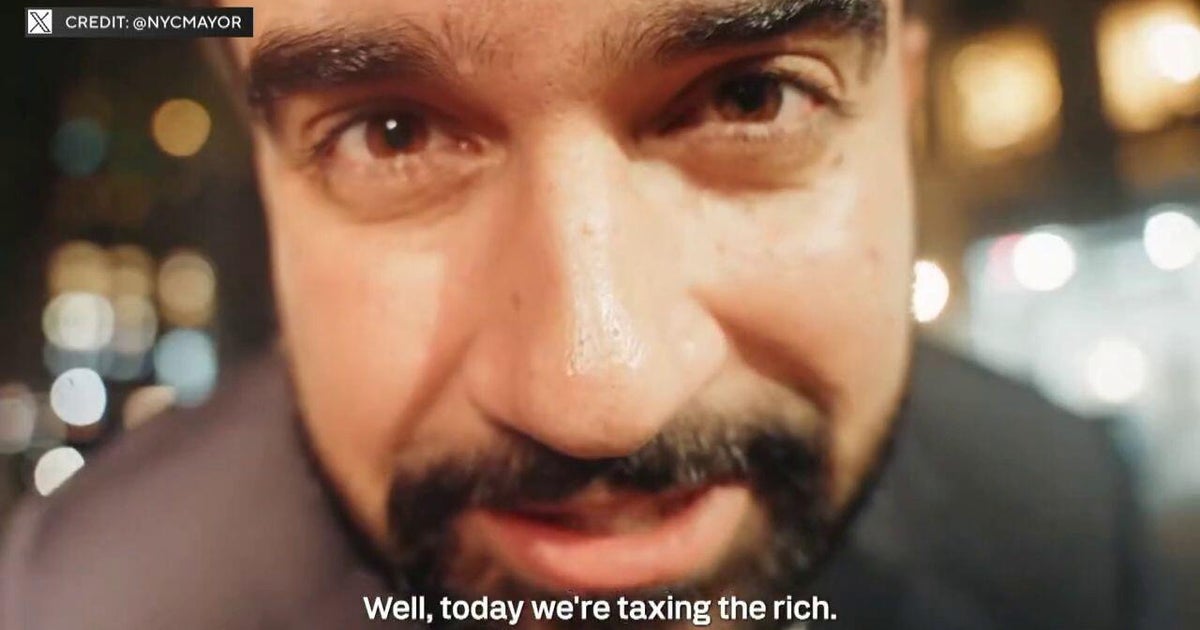
A planned $6 billion redevelopment at 350 Park Ave may be at risk after NYC Mayor Zohran Mamdani released a video attacking Citadel founder Ken Griffin and promoting a pied-à-terre tax. Citadel said the project is expected to create 6,000 construction jobs and more than 15,000 permanent jobs, but it was still unclear whether the firm would pull out as of Thursday night. The episode adds political and tax-policy uncertainty around a major Midtown real estate project.
The immediate market read is not about a single redevelopment headline; it is about the signaling risk to NYC’s pro-growth capital formation regime. Even if this project survives, the episode raises the probability that institutional investors demand a higher political risk premium for long-duration office, mixed-use, and transit-adjacent developments in Manhattan, where permitting, zoning, and reputational alignment matter as much as financing costs. That pushes the burden onto either lower returns or more taxpayer support, both of which compress the economics of future pipeline projects.
Second-order, the bigger loser may be the ecosystem around large-scale office redevelopment rather than any one sponsor. Construction contractors, specialty lenders, union-adjacent labor flows, and trophy-office landlords all benefit from the signaling effect of a successful 350 Park Ave-type deal; if this gets delayed, the market will infer that “policy theatre” can now become a veto point. Over 6-18 months, that can reduce bid intensity for Midtown assets and widen cap rates versus other gateway cities, while strengthening Sunbelt office/industrial conversion narratives.
The contrarian point is that political theater can be loud without changing final outcomes. If the project economics are strong enough, Citadel may treat the episode as noise and proceed, but with a higher internal hurdle rate and more insistence on tax stability. In that case, the near-term selloff in New York-exposed real estate sentiment could reverse quickly, but the medium-term consequence remains: fewer discretionary headquarters and prestige redevelopments will be advanced unless the city can credibly separate tax messaging from investment policy.
Tail risk is a broader coordination failure where other firms conclude NYC is becoming a headline hazard and preemptively redirect capital to lower-friction jurisdictions. That would not show up in one quarter’s numbers; it would leak into the 12-24 month development pipeline, occupancy demand, and municipal tax base, making the city more dependent on a narrower set of employers and worsening fiscal volatility.
AI-powered research, real-time alerts, and portfolio analytics for institutional investors.
Request TrialOverall Sentiment
mildly negative
Sentiment Score
-0.25
