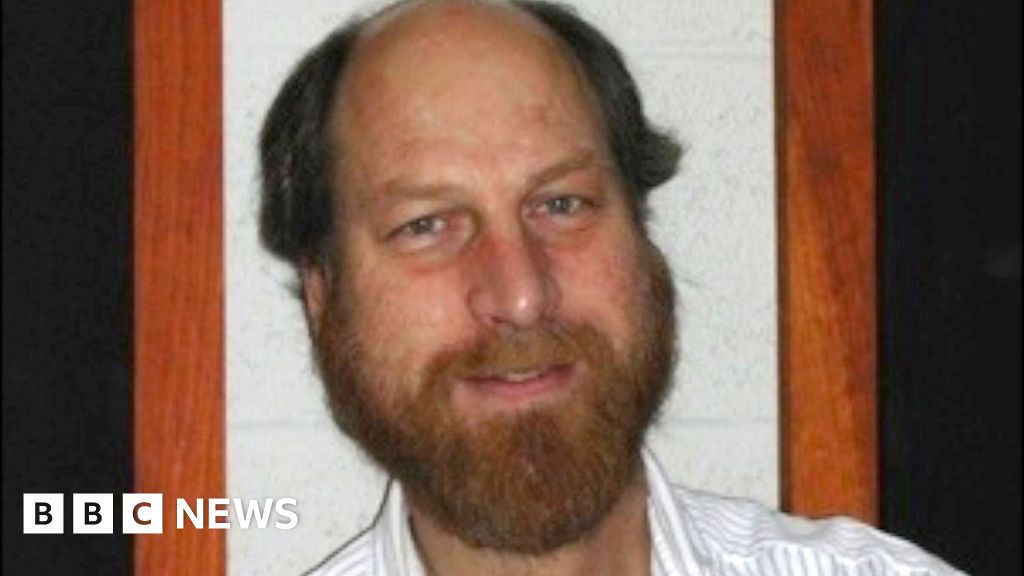
The article centers on a cluster of disappearances and deaths involving people linked to sensitive U.S. research, prompting FBI and House Oversight scrutiny, but with no evidence of a common conspiracy. One confirmed case involved astronomer Carl Grillmair, who was allegedly killed in February and whose accused killer has been charged with murder and burglary; other cases were described by relatives as deliberate departures or medically explained deaths. Overall, the piece is mainly a human-interest and public-safety story about misinformation rather than a market-moving event.
The market implication is not the sensationalism itself, but the governance drag it can create around classified-workforce optics. Even if the underlying cases are mostly idiosyncratic, federal attention raises the probability of tighter handling protocols, more internal audits, and slower personnel turnover at sensitive labs and contractors over the next 3-12 months. That is a modest headwind for operators with heavy cleared-workforce exposure because compliance friction tends to show up first as slower hiring, then as higher security overhead, then as delayed program execution.
The second-order winner is the industrial-security ecosystem: background screening, identity verification, physical security, incident management, and litigation support. This is not a volume surge story so much as a budget reallocation story—small line items get pulled forward when boards and agency leadership feel reputational pressure. The more subtle beneficiary is firms with exposure to government continuity and cyber/insider-risk products, because agencies will prefer controls that look preventative and audit-friendly rather than more headcount at the edge of the problem.
The contrarian miss is that this is unlikely to become a broad demand shock for defense or science contractors unless policymakers overreact. The base rate math matters: a small number of incidents against a very large cleared population is not evidence of a systemic cluster, so any selloff in defense/space names on “mystery risk” should fade once scrutiny normalizes. The real tail risk is not conspiracy-driven reputational damage, but that isolated incidents get converted into durable process burdens that reduce productivity and extend sales cycles.
On timing, the tradeable window is weeks to months if committees or regulators announce hearings, guidance, or reporting requirements. If the story fades without new official action, the premium should dissipate quickly; if not, security and compliance vendors can see multiple expansion before actual earnings re-rate. The best risk/reward is to buy the boring picks-and-shovels names, not the obvious headline-sensitive primes.
AI-powered research, real-time alerts, and portfolio analytics for institutional investors.
Request TrialOverall Sentiment
neutral
Sentiment Score
-0.10
Ticker Sentiment
