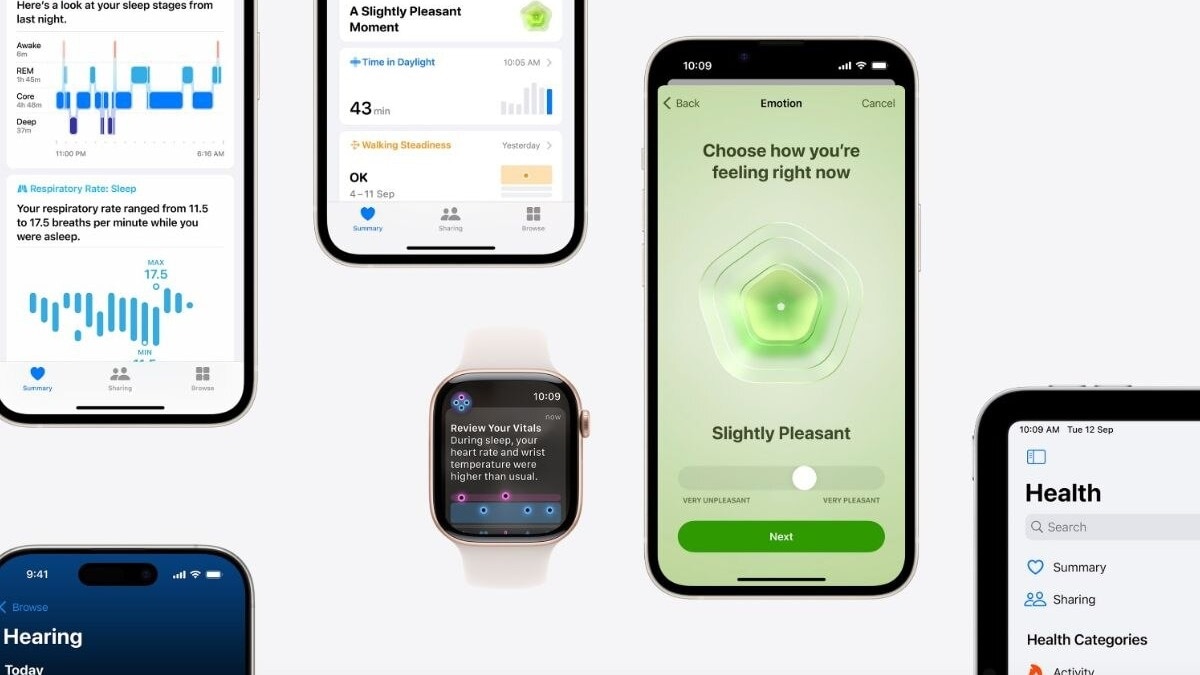
Apple plans a substantial redesign of its Health app tied to iOS 26.4, expected in spring with a developer beta ahead of a likely March public release. Key changes include a reorganized UX, native food and meal tracking that positions Apple against third-party services like MyFitnessPal, a new video-based coaching offering potentially behind a subscription tier, and deeper Health-data integration with a Siri revamp built on large-language models — features that could boost user engagement and expand services revenue over time.
Market structure: Apple (AAPL) stands to gain recurring services revenue and deeper device lock-in; a 2–5% conversion of ~1.5B active devices to a $3/month health tier implies ~$1.1–$2.7B incremental annual revenue within 2–3 years, pressuring standalone nutrition/subscription apps and lowering CAC for Apple. Incumbent nutrition apps and smaller DTC health players (ad-driven or subscription models) are the direct losers; App Store subscription pricing and aggregator ad revenue may compress by mid-2025 as Apple bundles functionality.
Risk assessment: Key tail risks are regulatory/antitrust probes over vertical integration and health-data privacy litigation, plus clinical accuracy/liability risk if LLM-driven Siri gives medical advice; these could trigger fines or forced feature rollbacks worth >$1B over multi-year horizons. Timing matters: expect a sentiment lift at developer beta (weeks) and a visible revenue signal only after 3–12 months of adoption; hidden dependencies include Apple Watch sensor accuracy and licensed food databases.
Trade implications: Tactical plays include modestly increasing AAPL equity exposure (2–3% portfolio) and using short-dated call spreads around the iOS 26.4 release (beta → public in March) to capture upside while limiting premium spend; suppliers to watch are NVDA/AI-stack names for deeper Siri LLM ramp. Pair trades: long AAPL, short public nutrition or small digital-health names (e.g., WW) to capture share shift; trim on an AAPL >8–12% pop post-release or conversion <1% after 6 months.
Contrarian angles: Consensus underestimates user inertia and privacy friction—many users will stick with specialized apps; Apple may opt to keep core food tracking free to drive hardware rather than monetize aggressively, muting services ARPU. Historical parallels: Apple Music displaced incumbents but took years to scale; unintended outcomes include increased regulator scrutiny and developer backlash that could slow App Store monetization in 12–24 months.
AI-powered research, real-time alerts, and portfolio analytics for institutional investors.
Request DemoOverall Sentiment
mildly positive
Sentiment Score
0.30
Ticker Sentiment
