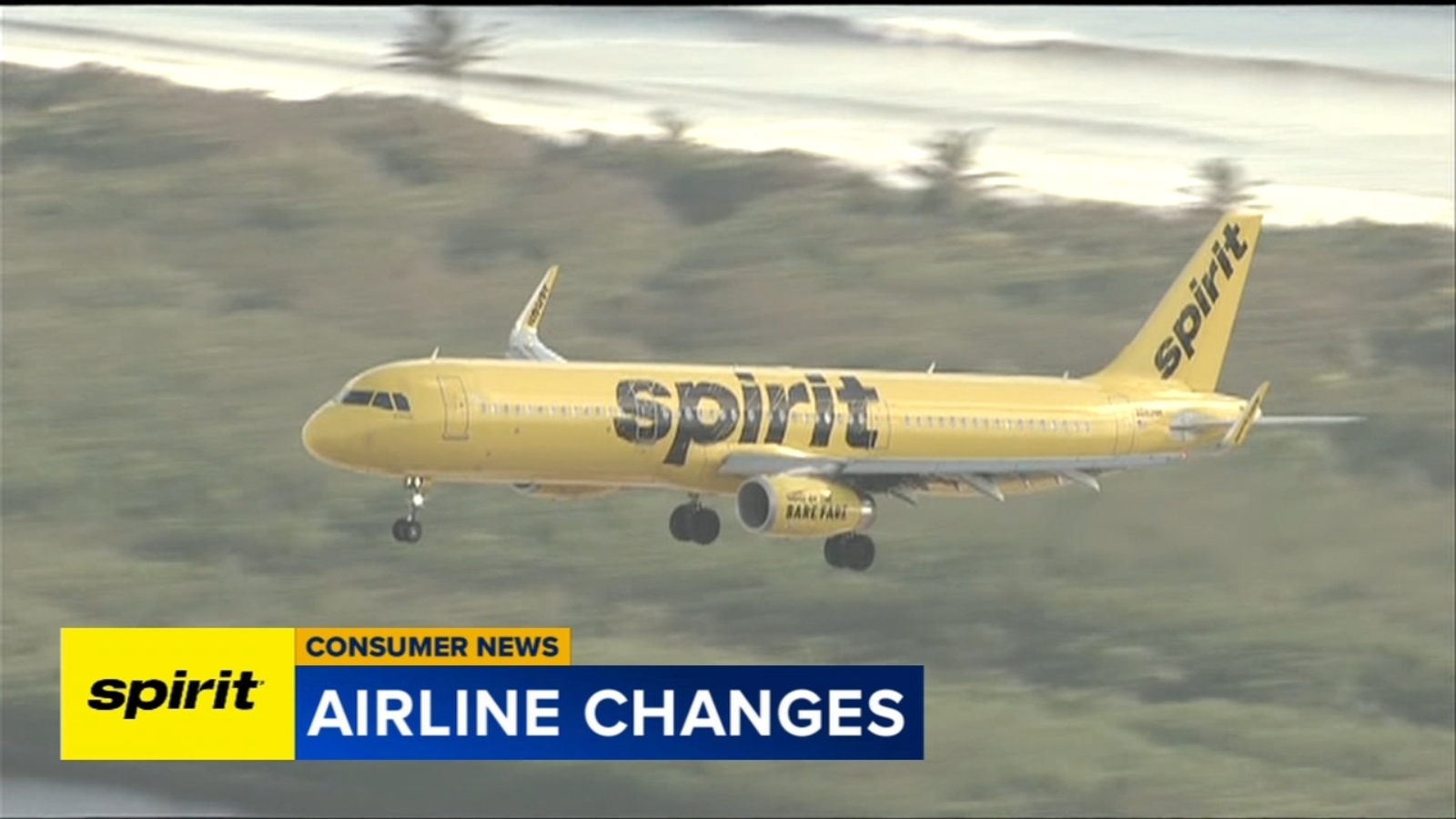
Spirit Airlines is reportedly at risk of liquidating and shutting down any day, adding fresh pressure after its second bankruptcy in less than a year and amid soaring fuel costs. The article highlights consumer protections rather than operating improvements: credit card chargebacks and some comprehensive travel insurance policies may help travelers recover losses if flights are not provided. The key takeaway for travelers is to buy airline tickets with a credit card and review travel insurance fine print carefully.
This is less about one airline and more about the collapse of the ultra-low-fare pressure valve in domestic aviation. If Spirit exits, the first-order effect is obvious seat reduction, but the second-order effect is that incumbent discounters can finally reprice the most elastic segment without immediately triggering a capacity war. That typically lifts the whole short-haul pricing stack, especially on leisure-heavy routes where consumers are willing to trade schedule flexibility for a cheaper fare.
The market is probably underestimating how quickly this flows through to ancillary economics. Competitors can preserve headline fares while widening revenue per passenger via bags, seats, and change fees once the lowest anchor disappears; that is a cleaner margin expansion than a pure fare increase and tends to persist for multiple booking cycles. The biggest beneficiaries are carriers with strong domestic overlap and enough scale to absorb displaced traffic without diluting yields.
The risk is timing: liquidation would be a days-to-weeks event for near-term pricing power, but the real earnings upgrade is a months-long phenomenon as booking curves reset and competitors refile schedules. A reversal would require either rescue financing or a government-mediated restructuring that keeps Spirit flying as a low-price check on the market. Absent that, the surprise is not just higher fares — it is that the industry’s cost of acquisition for price-sensitive customers rises, which can improve unit revenue even if traffic softens modestly.
The contrarian view is that the move may be less bullish for airlines than it looks if consumers interpret this as a warning signal for the broader travel budget. If fuel remains elevated and discount capacity shrinks, some demand gets pushed out of air travel entirely rather than captured by rivals, which caps upside in the weakest leisure corridors. That means the best trade is not a generic long-airlines basket, but selective exposure to carriers with fortress networks and domestic pricing leverage.
AI-powered research, real-time alerts, and portfolio analytics for institutional investors.
Request TrialOverall Sentiment
strongly negative
Sentiment Score
-0.65
