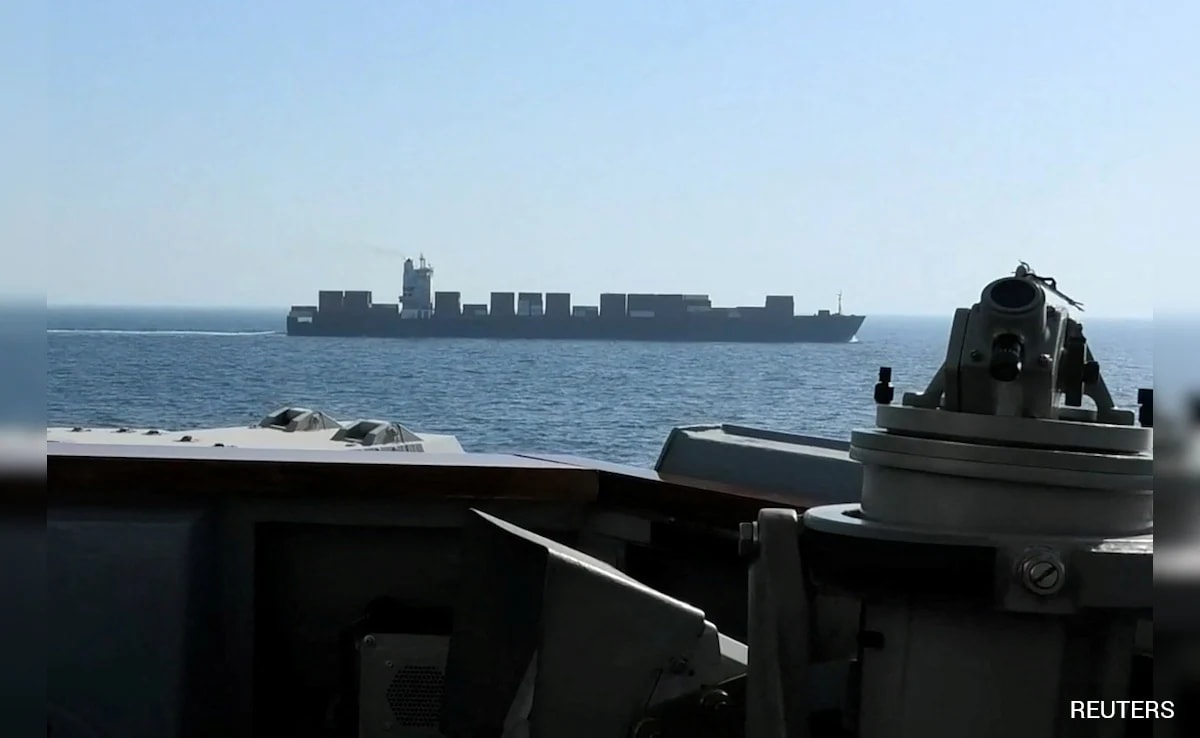
US forces seized the Iranian-flagged container ship Touska in the Strait of Hormuz, with claims it was traveling from China and carrying dual-use or missile-related chemical shipments. The incident raises escalation risk around Iran-US tensions and could heighten scrutiny on China-Iran trade flows and sanctioned shipping networks. Markets may react to increased geopolitical and shipping-route risk in the Gulf region.
This is less about the seized vessel itself than about the regime’s commercial oxygen supply chain. Even a limited interdiction in the Gulf of Oman raises the cost of routing, insurance, and discreet dual-use procurement for Iranian end users, which tends to hit the weakest link first: smaller shippers, transshipment hubs, and Asian intermediaries that rely on low-visibility cargo mixes. The second-order effect is broader than Iran—any company with exposure to sanctioned-origin or sanction-adjacent freight now faces a higher probability of port delays, customs scrutiny, and forced cargo reclassification.
The near-term market implication is risk premia, not volume destruction. Defense, maritime surveillance, and cyber/intelligence vendors should see better budget urgency if this escalates into a recurring seizure cycle over the next 4-12 weeks. By contrast, global freight and specialty chemical logistics names with Middle East exposure can face margin pressure from higher war-risk premiums and missed sailings even if the physical disruption remains contained.
The key catalyst is whether this becomes a one-off signaling event or the start of a sustained interdiction campaign. If Iran retaliates by threatening shipping lanes or widening inspections, the spillover can widen quickly into energy and industrial supply chains; if talks de-escalate, the market will fade the risk premium just as fast. The contrarian point is that the most immediate P&L is likely in non-obvious enablers of enforcement, not in headline-sensitive oil assets, because the market often underprices how durable sanctions enforcement becomes once interdiction starts to work.
AI-powered research, real-time alerts, and portfolio analytics for institutional investors.
Overall Sentiment
moderately negative
Sentiment Score
-0.45
