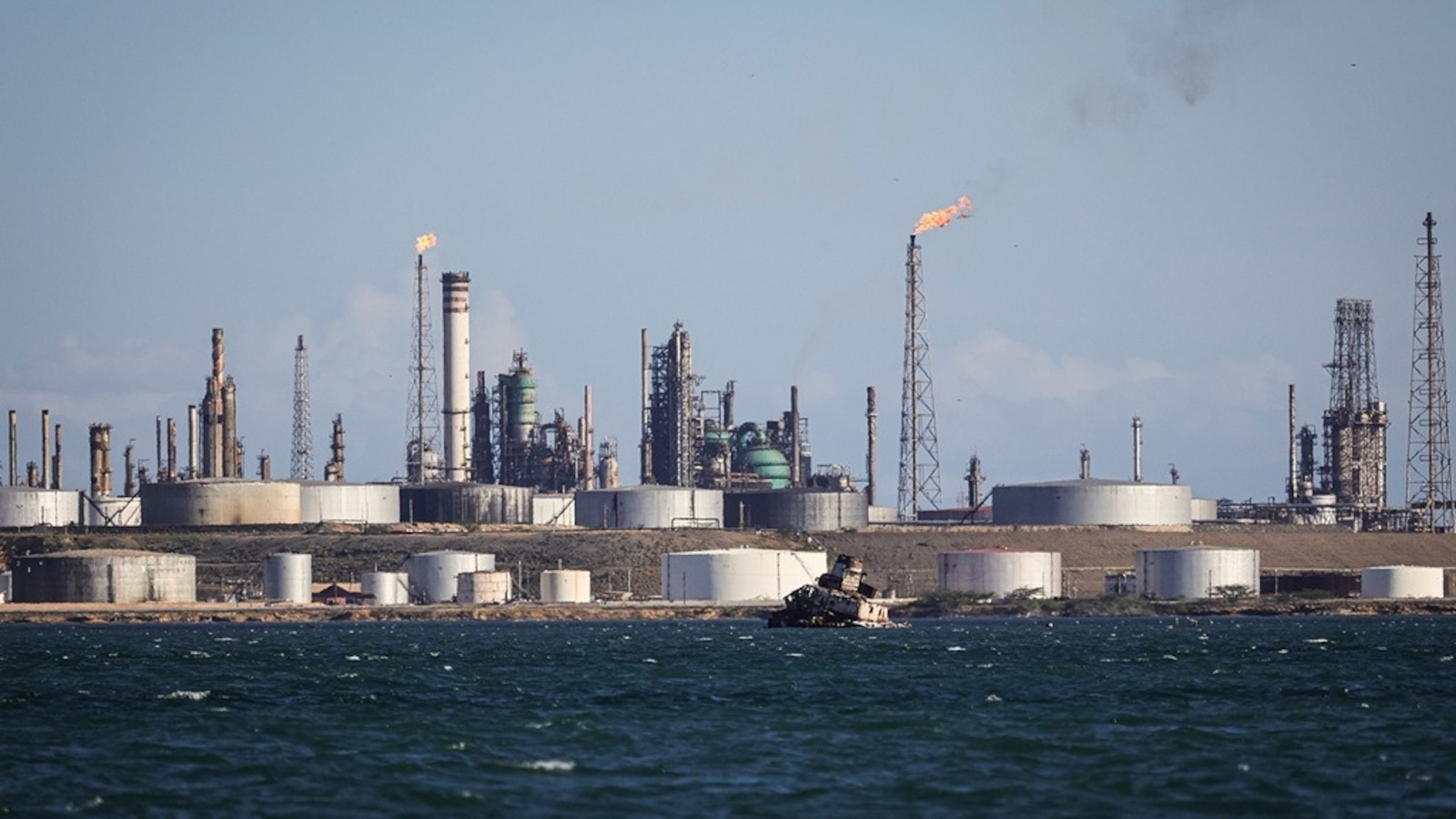
The Singapore-flagged tanker Chrysopigi Lady departed a northern Venezuelan port on Feb. 1 carrying what interim president Delcy Rodriguez called Venezuela’s first shipment of liquefied petroleum gas destined for Providence, Rhode Island. The export was announced amid acute political turmoil after a U.S. military operation this month led to the capture of former president Nicolás Maduro and dozens of reported casualties, underscoring the transaction’s symbolic importance for the new de facto government and potential diplomatic frictions with the U.S. Commercially the shipment signals a nascent resumption of LPG flows from Venezuela, but given the volatile political backdrop and limited scale reported, immediate market impact is likely minimal while geopolitical risk remains heightened.
Market structure: A one-off LPG ship to Providence is primarily symbolic but signals potential re-entry of Venezuelan NGLs into US supply chains if sustained. Direct winners in a ramp scenario are midstream/NGL condensate handlers (TRGP, OKE) and Gulf export-logistics providers; potential losers are short-term US propane/wholesale brokers and LPG spot sellers whose near-term spreads could compress by 5–15% if Venezuelan flows exceed ~50k barrels/day to the US within 60–90 days. Shipping owners of VLGC capacity see neutral-to-small upside unless flows scale materially (>200k b/d).
Risk assessment: Tail risks include rapid policy reversal (US re-imposes sanctions or Venezuelan internal disruption) that could spike NGL/propane volatility >30% intramonth, or retaliatory attacks that disrupt Gulf transits. Immediate (days) — localized spot-price noise around arrival; short-term (weeks–months) — repricing in Mont Belvieu propane if multiple shipments recur; long-term (quarters–years) — structural cap on regional propane premiums if Venezuela regains full export logistics. Hidden dependencies: shipping insurance, US licensing, and counterparties’ willingness to settle in hard currency are gating factors.
Trade implications: Favor selective midstream exposure (TRGP, OKE) for 3–12 months sized 1–3% each, with 15–25% upside if Venezuelan exports scale; hedge via CME Mont Belvieu propane short-dated put spreads (size 0.5–1% book) to monetize near-term downside in spot. Consider a pair: long TRGP vs short UGI (UGI) 1:1 for 3–9 months — midstream benefits from throughput while retail distribution faces margin pressure if spot collapses. Use options to express asymmetric views: buy 3-month TRGP 20% OTM calls and sell nearer-dated calls to finance.
Contrarian angles: Consensus will treat the shipment as symbolic — underestimate the speed at which relaxed sanctions + commercial deals could add 50–150 kb/d of NGL exports in 3–6 months, capping regional propane arb. History (Iraq, Libya) shows swift market impact once export logistics restart; conversely, political fragility makes sustained flows a low-probability event. Watch for underpriced political tail risk: a re-tightening of sanctions could produce >30% rally in propane and related hedges, so size positions to survive regime shifts.
AI-powered research, real-time alerts, and portfolio analytics for institutional investors.
Request DemoOverall Sentiment
neutral
Sentiment Score
0.05
