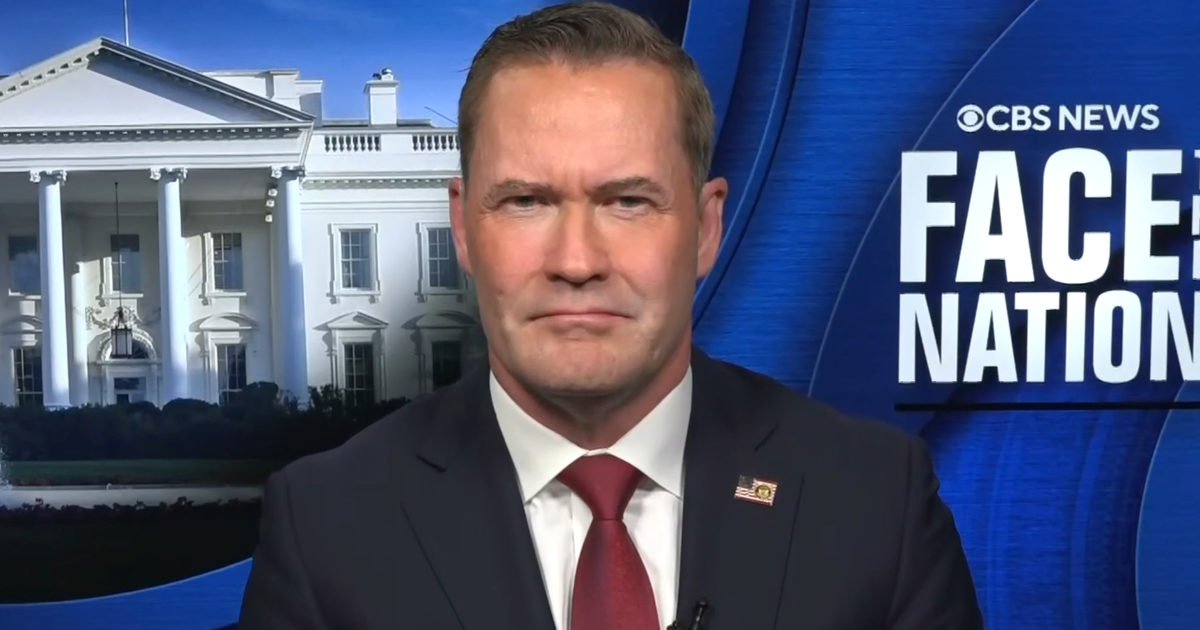
The interview centered on escalating U.S. pressure on Iran, including blockade actions in the Strait of Hormuz, secondary sanctions on banks handling Iranian oil, and possible interdiction of vessels bound for China. Waltz said dozens of ships have already turned around and that the U.S. is prepared to escalate further if needed, while also discussing Lebanon and Hezbollah. The rhetoric signals heightened geopolitical risk for oil, shipping, and broader Middle East stability.
The market implication is not the headline geopolitics, but the sequencing risk: the administration is signaling a two-track strategy of coercive maritime control plus financial interdiction before any durable diplomatic off-ramp. That combination tends to hit the most exposed marginal actors first — shadow shipping, sanctions-evasion intermediaries, marine insurers, and regional logistics firms with indirect Iran-linked exposure — while leaving headline oil benchmarks surprisingly contained until physical flows are actually disrupted. The key second-order effect is that “stable” crude can coexist with sharply wider freight, war-risk, and insurance spreads, which is typically where equity dislocations show up before energy prices re-rate.
The bigger underappreciated catalyst is secondary sanctions on banks tied to Iranian oil settlement. That is more powerful than vessel seizures because it can force payment terms shorter, counterparties smaller, and discount rates higher across Asian buyers; Chinese refiners and trading houses are the likely marginal losers even if they do not appear in the crosshairs today. If enforcement escalates, expect a rapid repricing in non-U.S. banks with EM commodity exposure, plus a tightening in dollar liquidity for trade finance tied to Gulf-to-Asia flows.
Contrarian view: the market may be overestimating how fast coercion converts to capitulation. Historically, fragmented command structures in sanctioned regimes create more operational noise than immediate policy change, which means the first 2-6 weeks can look like escalation without actual supply loss. That argues for owning convexity into a tail event rather than chasing spot energy beta; the most attractive setup is a volatility trade that benefits from a sudden premium blowout in shipping and oil without needing a sustained breakout in Brent.
The Lebanon angle matters because any enforced Israeli restraint lowers the odds of a broad regional fire spread, which caps the upside in crude and defense equities while preserving the downside in names exposed to Red Sea / Hormuz rerouting premiums. Net: this is a better short-duration dislocation trade than a secular war thesis, unless there is a verified attack on tankers or a banking-sanctions cascade that snags major Asian settlement channels.
AI-powered research, real-time alerts, and portfolio analytics for institutional investors.
Request DemoOverall Sentiment
mildly negative
Sentiment Score
-0.15
