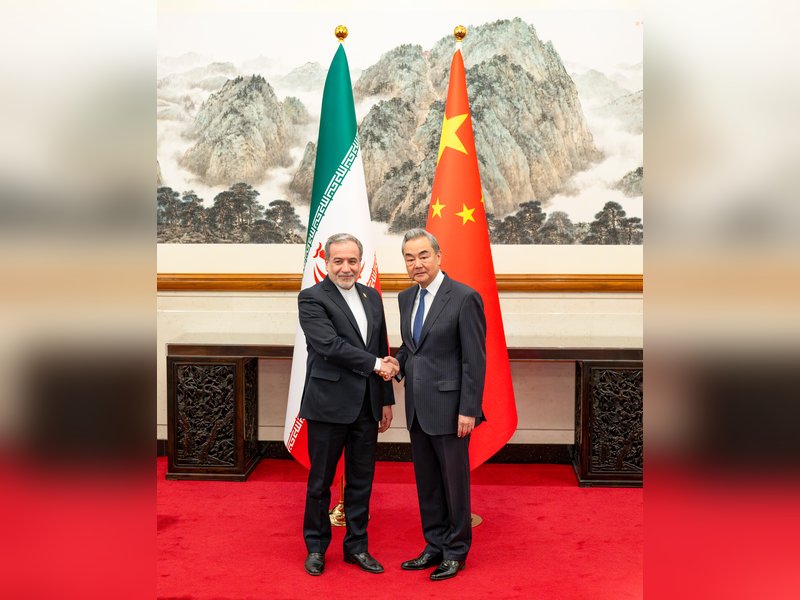
China is reportedly preparing to supply Iran with new air defense systems, including MANPADs, while also providing surveillance and intelligence support tied to Iranian military operations. The article says Chinese components have been found in Iranian drones and that Beijing is using third-country routes to obscure weapons shipments, increasing sanctions and export-control risk. The reported transfer of Chinese-origin missile and surveillance technology raises the risk of broader escalation across the Gulf and could affect regional security and defense spending.
This is less about a near-term battlefield headline and more about a durable tightening of the global export-control regime around dual-use electronics, satellite services, and air-defense subsystems. The marginal winner is the gray-market logistics stack: intermediaries, third-country re-export hubs, and niche component brokers that can obscure provenance. The immediate losers are not only Iranian force-projection assets, but also any Western or Gulf procurement pathways that rely on Chinese-origin industrial electronics now facing deeper scrutiny and end-user risk premium.
The second-order effect is a higher implied geopolitical risk premium for Gulf infrastructure and defense outlays. Even if direct kinetic escalation pauses, investors should expect faster procurement cycles for counter-UAS, air-defense, and ISR redundancy across Saudi, UAE, Bahrain, and Qatar over the next 3-12 months. That creates a favorable demand backdrop for Western primes with Gulf exposure, while also increasing the probability of sanctioned re-routing eventually catching commercial satellite and telecom providers with broad Asia footprints.
The contrarian issue is that markets may underprice the lag between rhetoric and enforcement. Beijing has incentives to keep deniability intact, which means the largest market impact could come only after a concrete sanctions package or a seized-shipment event, not on headlines alone. That argues for trading volatility and second-order beneficiaries rather than trying to fade the entire China-Iran axis immediately; the catalyst path is binary over days, but the budget shift into air-defense and surveillance is a months-long story.
AI-powered research, real-time alerts, and portfolio analytics for institutional investors.
Request DemoOverall Sentiment
strongly negative
Sentiment Score
-0.70
