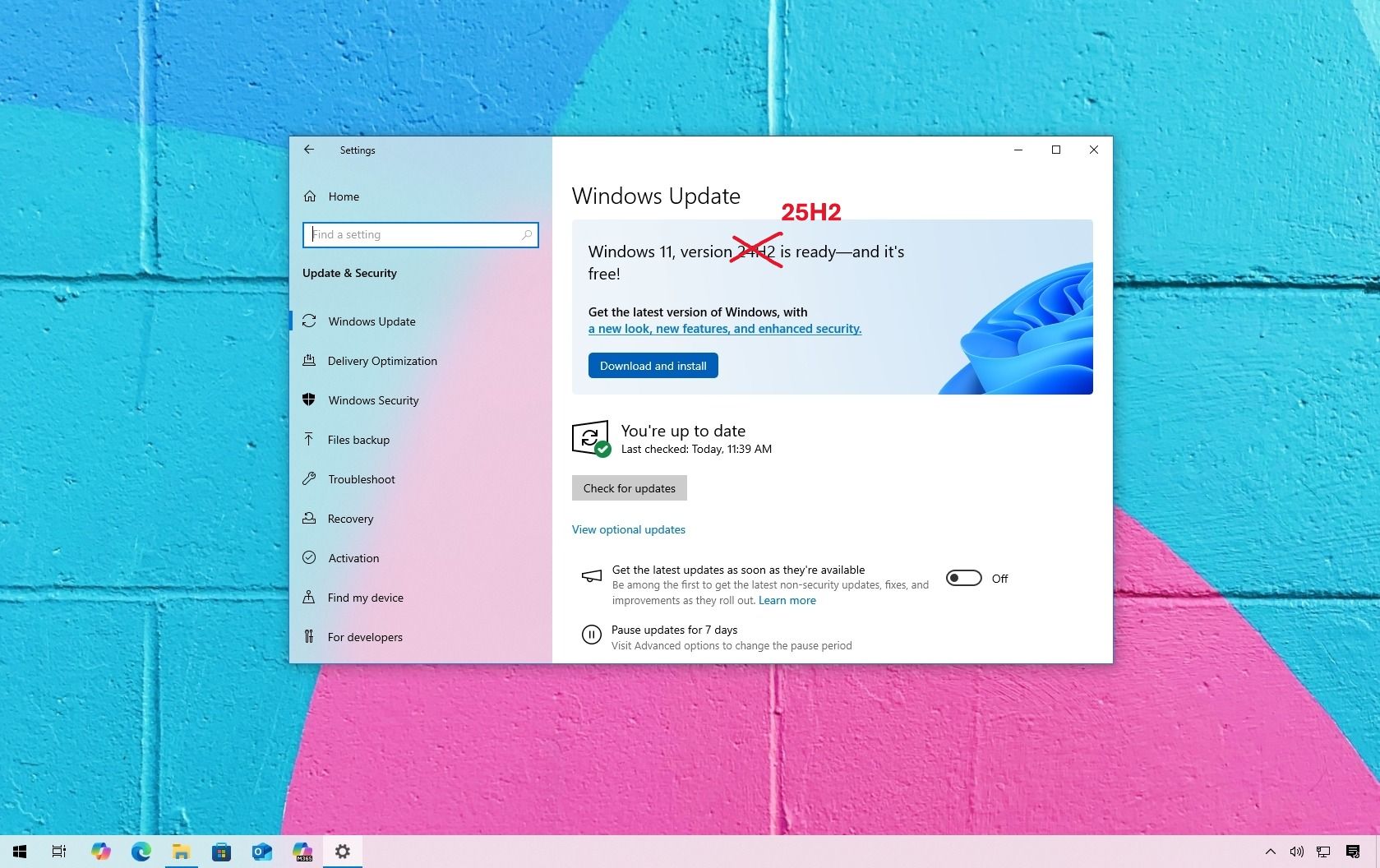
Microsoft's Windows 10 will reach its end-of-life on October 14, 2025, discontinuing security updates and technical support, which will necessitate user migration to Windows 11 or enrollment in the paid Extended Security Updates (ESU) program. This impending deadline is poised to accelerate Windows 11 adoption for compatible systems and could stimulate hardware refresh cycles for those requiring new devices, representing a significant catalyst for Microsoft's software ecosystem and the broader PC market.
Windows 10 is scheduled to reach its end-of-life on October 14, 2025, discontinuing security updates and technical support for all users. This deadline will compel a significant portion of the user base to migrate to Windows 11, with the article emphasizing the straightforward upgrade process for compatible systems. This transition is a critical driver for Microsoft's latest operating system adoption.
The impending EoL serves as a strategic catalyst for Microsoft (MSFT), accelerating the shift to Windows 11 and reinforcing its software ecosystem. While the upgrade is free for compatible devices, it ensures users remain within Microsoft's supported environment. The neutral sentiment and low market impact scores suggest this transition is largely priced in, reflecting an expected lifecycle event rather than a disruptive surprise.
Beyond software, this event is poised to stimulate hardware refresh cycles for systems incompatible with Windows 11's requirements. This could provide a tailwind for PC manufacturers and the broader technology hardware sector. Additionally, Microsoft's Extended Security Updates (ESU) program offers an alternative for some users, potentially generating incremental revenue for continued Windows 10 support.
AI-powered research, real-time alerts, and portfolio analytics for institutional investors.
Overall Sentiment
neutral
Sentiment Score
0.10
Ticker Sentiment
