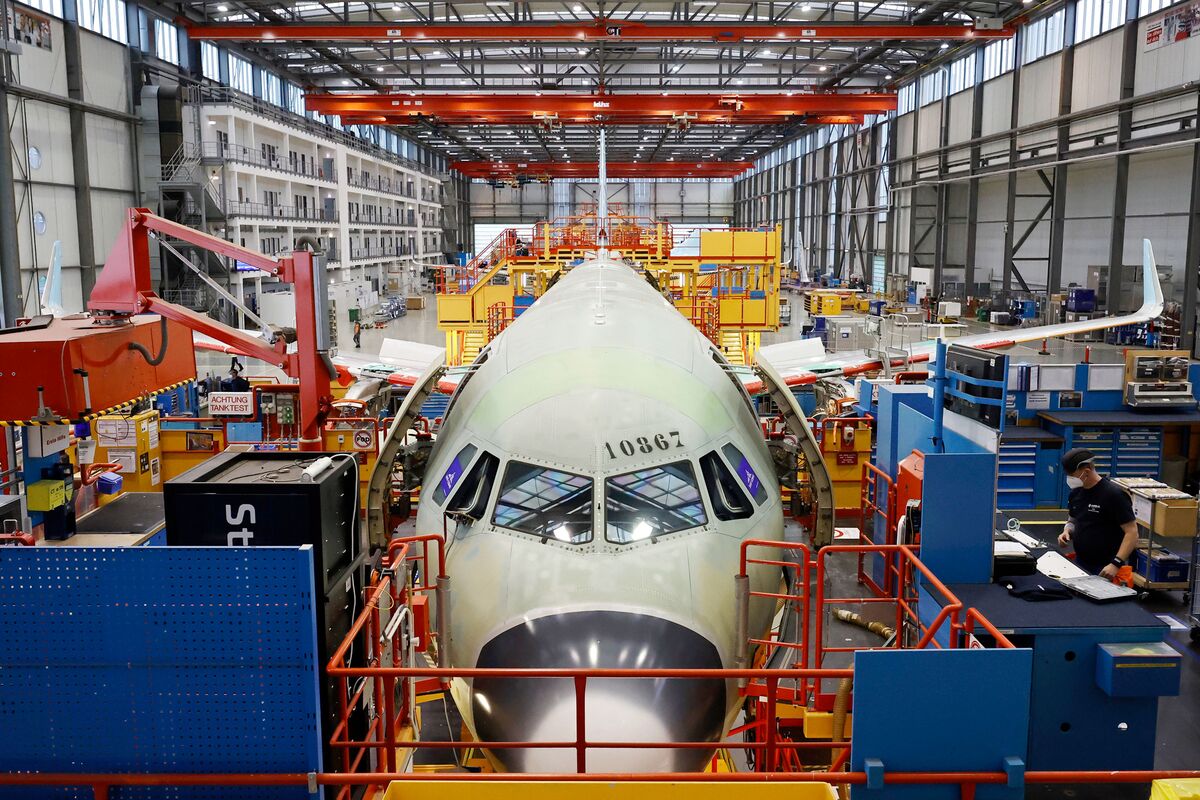
Airbus said it is unsure of reaching its next-year production target for the A320 family because Pratt & Whitney may not be able to supply enough engines. Airbus has long targeted 75 A320-family jets per month, but that timeline has been repeatedly delayed by supply chain disruptions. The update points to continued production constraints rather than a demand issue.
The market is still underestimating how much narrow-body output is now gated by engine availability rather than airframe capacity. That shifts bargaining power upstream: engine OEMs with spare capacity and service-heavy backlogs become relative winners, while Airbus absorbs the working-capital and schedule volatility without being able to fully monetize demand. The second-order effect is that every missed A320 slot risks cascading into later deliveries, higher inventory, and weaker free cash flow conversion over the next 2-4 quarters.
This is not just a timing issue; it can reprice airline capex planning. Carriers waiting for new-technology narrow-bodies may extend leases on older aircraft, supporting lessors, aftermarket MRO, and parts suppliers, while also keeping fuel burn and maintenance costs elevated for another cycle. Competitively, any sustained A320 shortfall is a quiet relative win for Boeing’s 737 MAX book if it can deliver reliably, and a medium-term win for engine peers if customers and lessors diversify toward alternate powerplant ecosystems.
The key catalyst path is whether engine supply normalizes before the next annual production planning window. If not, the downside is a step-down in Airbus's credibility on delivery growth, which typically matters more than the absolute miss because it can force airlines to re-optimize fleet plans and penalty discussions. The contrarian angle is that the headline sounds negative for Airbus, but the scarcity can actually preserve pricing discipline across the narrow-body chain; the more important question is whether Airbus can keep pricing power while pushing risk upstream rather than whether it hits one monthly unit target.
From a timing standpoint, the trade is best expressed over months, not days: the issue is operational, not event-driven. A resolution would likely require either engine allocation improvement or a redesign of delivery mix, so any bounce should be treated as tactical unless supply visibility improves materially.
AI-powered research, real-time alerts, and portfolio analytics for institutional investors.
Request DemoOverall Sentiment
mildly negative
Sentiment Score
-0.25
