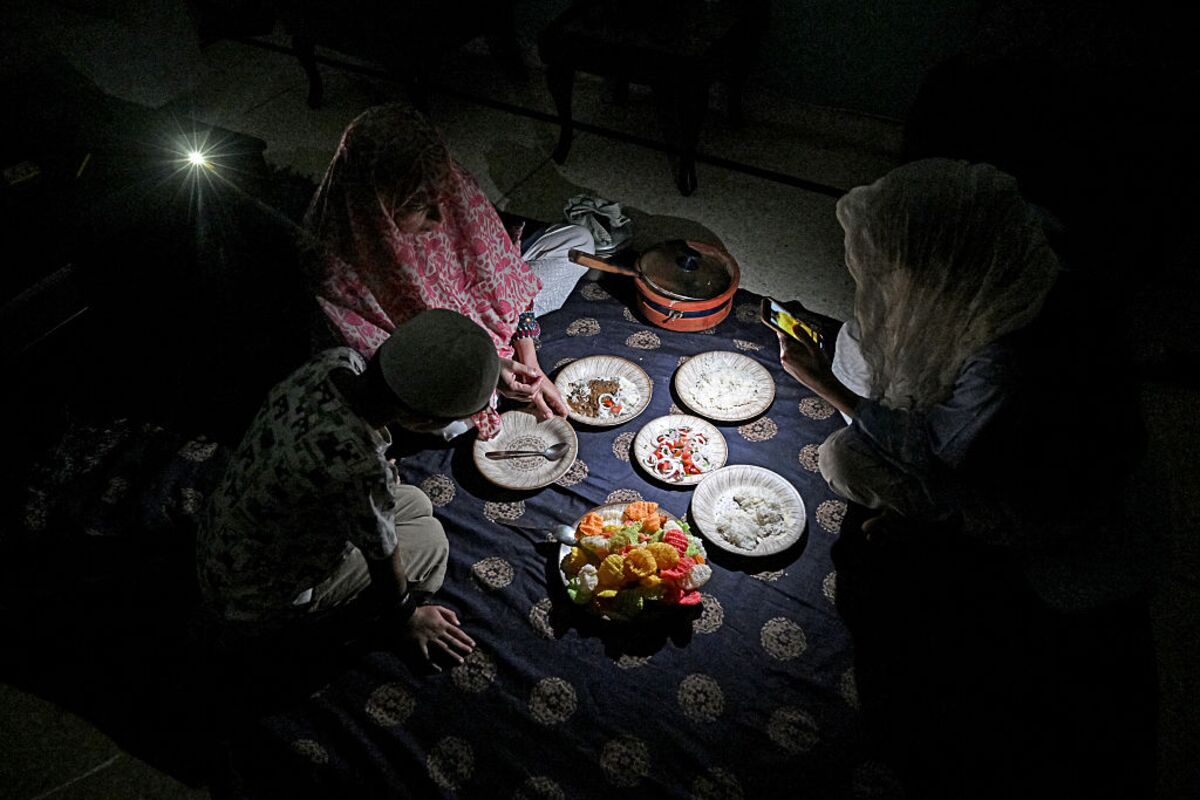
Pakistan is facing a 4,500 MW power shortfall, equal to about a quarter of peak demand, as Middle East conflict disrupts liquefied natural gas supplies. The outage risk is likely to worsen as the country enters a period of tighter energy availability, with direct implications for utilities, industrial activity, and import-dependent fuel markets. The geopolitical energy shock is negative for Pakistan and could have broader regional supply-chain and commodity implications.
The immediate market implication is not a broad EM risk-off move so much as a forced repricing of energy security in a country with limited balance-sheet flexibility. The first-order loser is Pakistan’s industrial base: fertilizer, textiles, cement, and export-oriented manufacturers should see higher unit costs, more shutdowns, and working-capital strain as firms scramble for backup generation. Second-order, any LNG cargoes diverted away from Pakistan can marginally ease spot tightness elsewhere in Asia, but that benefit is likely overwhelmed by the signal that geopolitics can still interrupt marginal supply during peak-demand periods.
The more important second-order effect is political: prolonged outages raise domestic pressure on the government to subsidize energy, which worsens fiscal stress and worsens external financing optics. That can feed a negative feedback loop into the sovereign’s short-dated credit profile over the next weeks to months, especially if outages persist through peak demand or coincide with further shipping disruption in the region. The market should also watch for knock-on inflation through diesel substitution; firms and households moving to backup gensets increases demand for liquid fuels even as gas availability weakens.
Contrarian takeaway: the headline is bearish for Pakistan but not necessarily bullish for global LNG outright, because demand destruction in a constrained buyer can temporarily free cargoes. The bigger mispricing risk is underestimating how quickly policy responses can reverse the trade if Pakistan secures emergency cargoes, receives bilateral support, or if Middle East tensions de-escalate. So the opportunity is less a pure commodity long and more a relative-value expression on sovereign stress, domestic industrial earnings, and regional energy logistics.
AI-powered research, real-time alerts, and portfolio analytics for institutional investors.
Request DemoOverall Sentiment
strongly negative
Sentiment Score
-0.65
