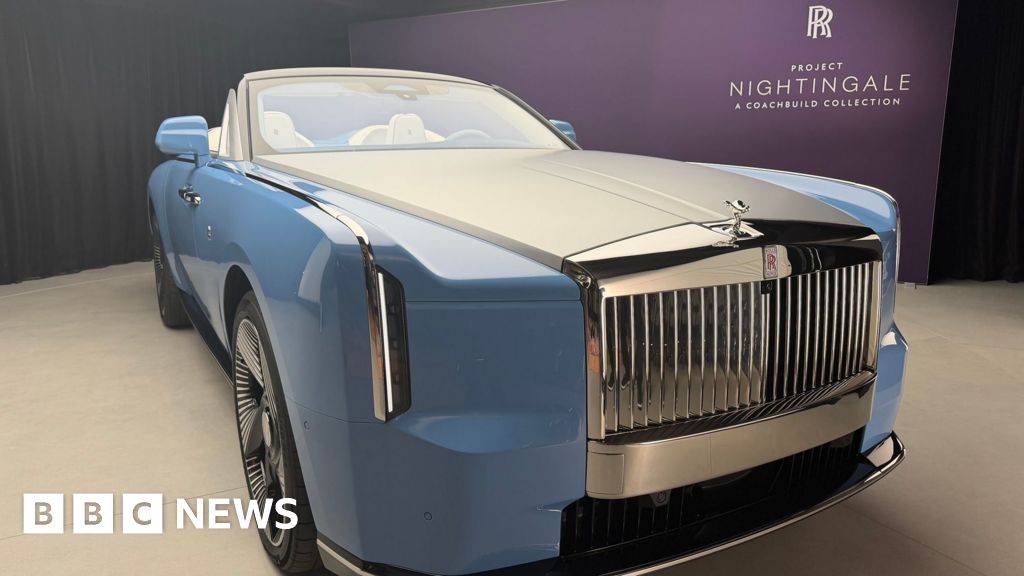
Rolls-Royce unveiled Project Nightingale, a two-seater pure-electric convertible limited to just 100 units, with deliveries expected to begin in 2028. The model will be hand-built in Goodwood and positioned between the brand’s Private Commission and Coachbuild offerings, implying a highly exclusive, premium product. The launch reinforces Rolls-Royce’s EV and bespoke-luxury strategy, though the near-term market impact is likely limited.
This reads less like a volume event and more like a margin signal: the economics are in bespoke scarcity, not car units. A 100-car run at ultra-high ASPs reinforces that the brand’s equity is strongest at the very top of the market, where customization and craftsmanship matter more than powertrain choice; that tends to support residual values across the lineup and improve pricing power for the broader dealer network. The second-order beneficiary is BMW’s luxury stack, because halo products can lift mix and brand heat without requiring meaningful scale.
The strategic implication is that the company is hedging its electrification cadence rather than committing to a clean BEV narrative. That reduces execution risk in the core franchise, but it also tells you management sees demand at the ultra-luxury end as less sensitive to powertrain ideology and more sensitive to exclusivity, which is a useful tell for peers. The likely losers are mass-market EV OEMs still competing on range/charging features and price; this launch widens the gap between “status EVs” and commodity EVs, making software or battery advantages less relevant in the rarefied segment.
The bigger catalyst window is 2027-2028, not today, because this is a long-dated orderbook story with low direct P&L impact near term. The risk is that bespoke coachbuilt EVs remain a boutique curiosity if affluent buyers pivot back toward classic combustion prestige or if broader EV enthusiasm softens; in that case the launch is brand theater rather than a demand engine. Contrarian read: the market may be overestimating how much halo launches translate into enterprise value—this is positive for sentiment, but too small to justify multiple expansion unless it feeds into better mix, not just headlines.
AI-powered research, real-time alerts, and portfolio analytics for institutional investors.
Request TrialOverall Sentiment
mildly positive
Sentiment Score
0.35
