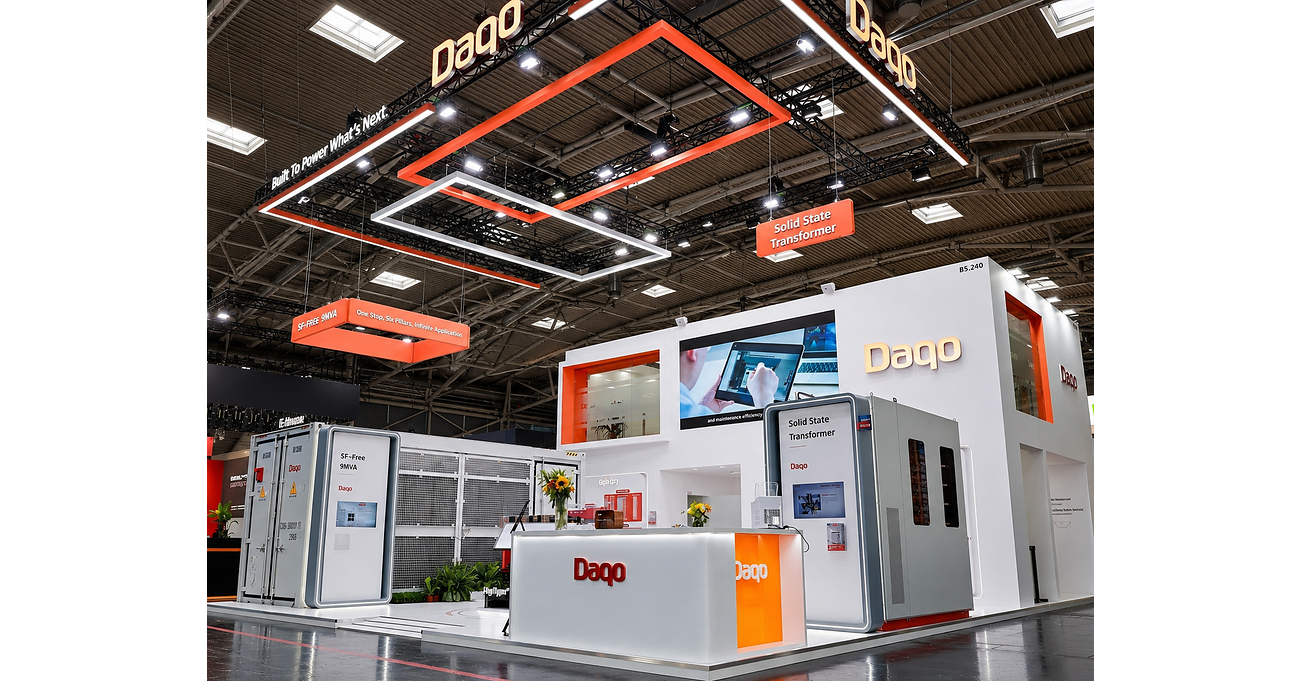
Daqo stellt auf der „The smarter E Europe 2026“ mehrere SF6-freie Ringhauptschaltanlagen (RMU) sowie containerisierte PV- und BESS-Umspannwerkslösungen vor, um den schnelleren Netzzugang für erneuerbare Erzeugung und Energiespeicher zu unterstützen. Die DQS Air RMU kombiniert Trockenluftisolierung und Vakuumunterbrechung als Alternative zu SF6 und zielt auf reduzierten Wartungsaufwand sowie zuverlässigen Betrieb in städtischen Netzen. Zusätzlich bringt Daqo „DQMpower 2.0“ für Rechenzentren (modulare Niederspannungsversorgung inkl. USV, Stromqualitätsmanagement und Überwachung) sowie eine luftisolierte, fernsteuerungsfähige SF6-freie RMU für Sekundärverteilungsnetze. Insgesamt ist das eine positive Produkt-/Kapazitätsankündigung mit begrenztem unmittelbarem Kursimpuls (keine konkreten Finanzkennzahlen).
The investable signal here is less about one company and more about a regional procurement shift: Europe’s grid buildout is moving from commodity electrical gear toward certified, low-footprint, fast-installation systems. That favors scaled electrification franchises with local service networks and product approvals, while smaller switchgear vendors risk margin pressure as buyers consolidate toward vendors that can bundle design, certification, and commissioning. The second-order winner is the EPC layer: anything that reduces on-site interfaces tends to expand addressable project volumes because it lowers schedule risk, not just cost.
The most important catalyst is regulatory, not marketing. SF6 alternatives should gain share over 6–18 months as procurement specs harden, but in the next 1–3 months the evidence to watch is whether this converts into backlog and mix shift rather than just exhibition buzz. If it does, the mix shift should benefit premium electricals more than pure component suppliers because the value migrates to systems integration, software monitoring, and field service.
For power-hungry end markets like data centers and BESS, modular substations are bullish if they shorten interconnection timelines; that can accelerate project starts and improve IRR visibility. The contrarian risk is that faster interconnection also increases competition for grid access and can compress returns for renewables developers if supply catches up faster than policy support. Near term, this is unlikely to move fundamentals materially absent order disclosures, but it is a useful read-through on where Europe is spending capex.
The weakest part of the story is execution risk: SF6-free gear often carries longer qualification cycles and customers will demand proof on failure rates, serviceability, and total installed cost. If certification delays or field reliability issues emerge, the trade can reverse quickly because buyers will fall back to incumbents with proven installed base and spare-part economics.
AI-powered research, real-time alerts, and portfolio analytics for institutional investors.
Request DemoOverall Sentiment
mildly positive
Sentiment Score
0.18
