
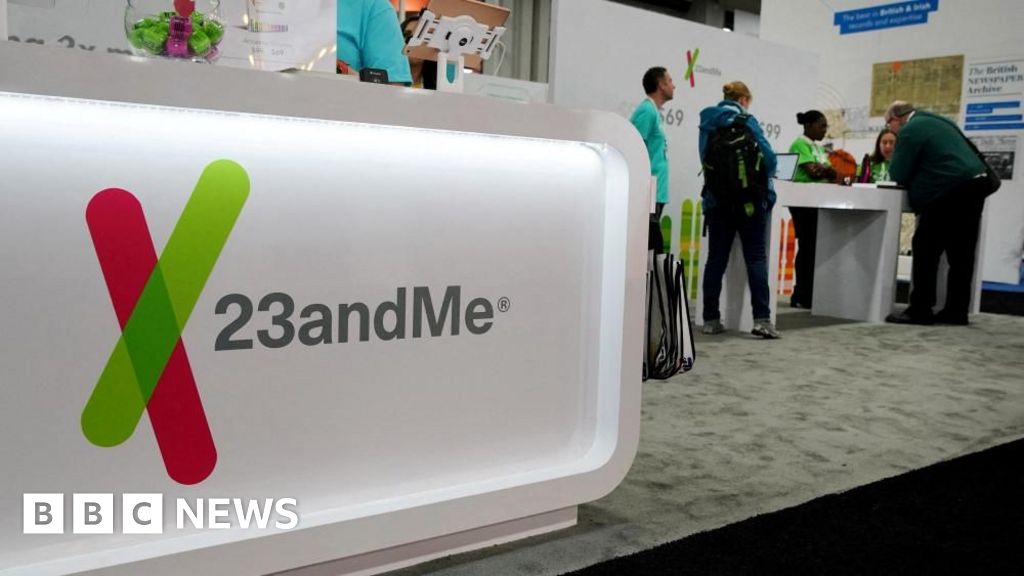
California’s attorney general plans to sue 23andMe successor Chrome Holding over a 2023 breach that exposed sensitive data on nearly 7 million users, including genetic predispositions and information on relatives, ancestry, and ethnicity. The case adds to regulatory pressure after the company was already fined £2.31m in the UK, where 155,592 residents’ data was accessed. The article also notes alleged dark web resale of data tied to AAPI and Jewish users, intensifying legal and reputational risk.
This is less about one legacy consumer app and more about the widening liability overhang on any platform that monetizes highly sensitive personal data. The second-order effect is that the market will likely assign a higher discount rate to post-bankruptcy data assets and to acquirers who think they are buying only a customer list; they may also be buying remediation, regulatory cooperation, and class-action tail risk that can last 2-4 years. That argues for a persistent litigation reserve overhang and lower recovery value in similar restructuring situations.
The most immediate loser is the successor entity’s monetization optionality: any attempt to revive subscription revenue, cross-sell, or sell de-identified datasets becomes harder when trust has been structurally impaired. On the competitive side, incumbents in consumer genomics and adjacent health-data businesses with cleaner compliance records should benefit from a relative trust premium, especially if they can articulate stronger auth, deletion, and consent controls. Security vendors focused on identity verification and consumer auth can also see a longer sales cycle tailwind as boards re-rate the cost of underinvestment.
The catalyst path is asymmetric: near-term headlines can keep pressure on any buyer/successor, but the larger move is likely months away when plaintiffs, regulators, and bankruptcy courts start quantifying damages and data-deletion obligations. The key reversal is not “better PR” but proof of technical remediation plus enforceable controls around data retention and secondary use. Until then, the market should treat this as a governance and balance-sheet problem, not a one-off cyber incident.
Contrarian take: the consensus may be underestimating how expensive it is to unwind data rights after a bankruptcy sale; the operational burden can exceed the headline fine. But it may also be overreacting on the broader genomics space if the issue is company-specific execution rather than category-wide demand destruction. The better expression is to short weak governance / long best-in-class compliance, not to short consumer genetics as a theme outright.
AI-powered research, real-time alerts, and portfolio analytics for institutional investors.
Request TrialOverall Sentiment
strongly negative
Sentiment Score
-0.72
Ticker Sentiment
