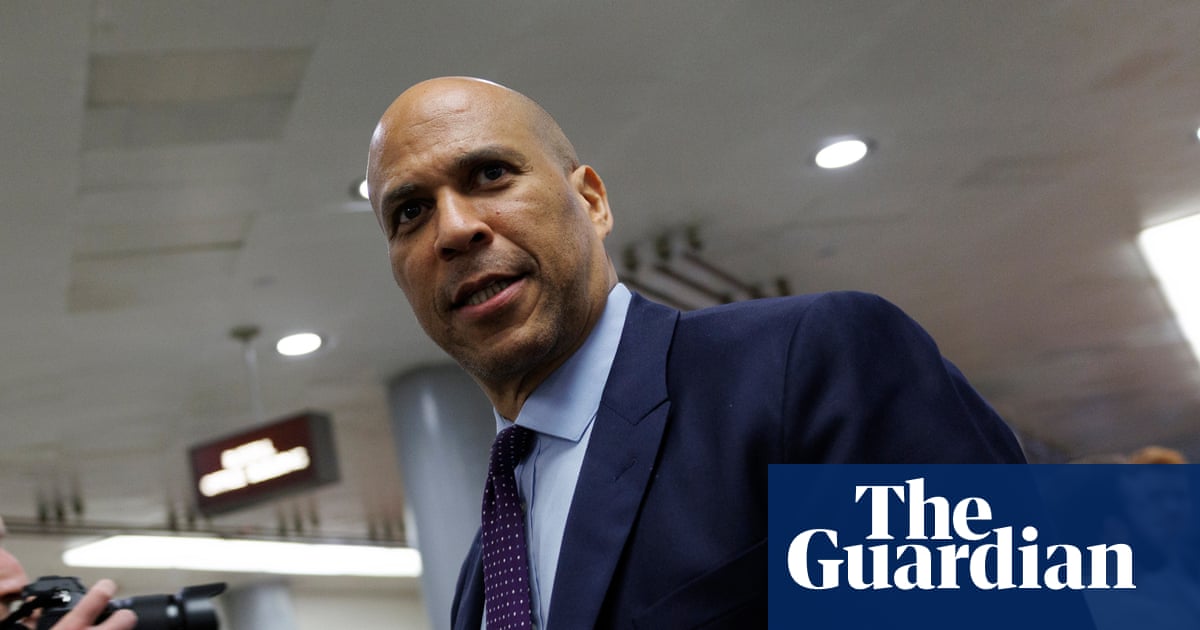
The Senate voted 53-47 to block a resolution aimed at limiting President Trump’s unilateral war-making authority against Iran, a near party-line split that leaves congressional authorization unresolved. The conflict has already killed more than 1,300 Iranians and others, cost over $11.3bn in the first week, and disrupted global supply chains for oil, fertilizer and aluminum, raising acute commodity and shipping risks. Continued political division in the U.S. and rebuffed allied support for reopening the Strait of Hormuz increase the likelihood of an open-ended, market-moving geopolitical shock with heightened volatility across energy and defense sectors.
With legislative constraints unlikely to check executive kinetic options near-term, the market should price a higher baseline probability of sustained, rolling military operations and elevated defense logistics demand over the next 1–12 months. That dynamic favors firms with large, recurring services/Sustainment & Logistics (spare parts, ISR, airborne refuel, munitions replenishment) books because these cash flows are front-loaded and less cyclical than new platform wins; a protracted tempo could drive incremental revenue of roughly $1–3bn to top-tier primes over 6–12 months, implying a measurable EPS kicker (order-of-magnitude mid-single-digit to low-double-digit percent for the largest suppliers).
Second-order commodity and supply-chain effects will outpace headline narratives: elevated shipping/insurance rates and regional export frictions amplify price swings in oil, ammonia/fertilizer feedstocks, and primary aluminum — beneficiaries are upstream producers and vertically integrated fertilizer/mining companies, while intensive-energy and input-sensitive industrials face margin compression. Financial-market transmission will be uneven: near-term volatility spikes hit travel/leisure and midsmall caps, while Treasuries and USD become safe-haven anchors; persistent disruption would feed through to inflation prints in 1–3 quarters, complicating central bank guidance.
Catalysts to watch that would re-rate positions are clear — operational escalations (targeting chokepoints or shipping corridors), major allied participation or refusal, large DoD contract announcements, and sudden diplomatic progress. Reversals are credible: rapid diplomatic de-escalation, decisive congressional action, or a meaningful commodity supply response (strategic releases, alternative sourcing) would compress risk premia and punish stretched defensive longs and commodity carries within weeks to months.
AI-powered research, real-time alerts, and portfolio analytics for institutional investors.
Request DemoOverall Sentiment
strongly negative
Sentiment Score
-0.70
