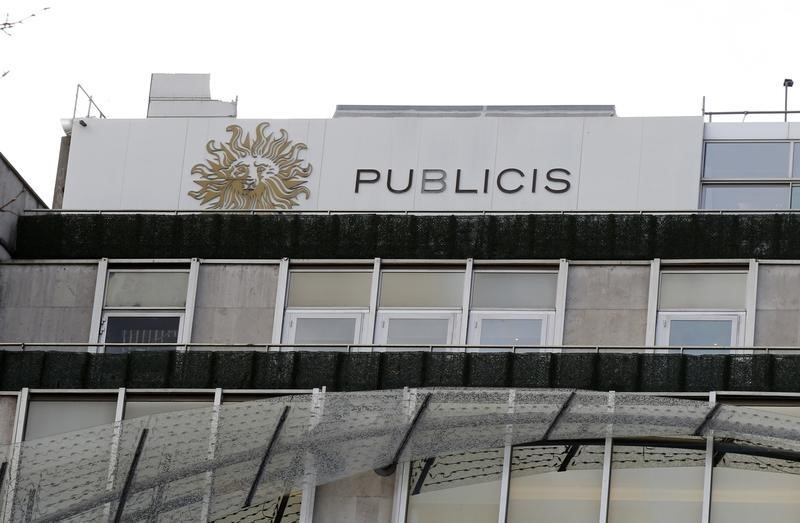
Publicis Groupe agreed to acquire LiveRamp in an all-cash deal valuing the company at $2.167 billion enterprise value, or $38.5 per share, a 29.8% premium to the prior close. The acquisition is intended to strengthen Publicis' data, AI, and agentic transformation capabilities and supports higher 2027-2028 targets, with net revenue growth now guided to 7%-8% and headline EPS growth to 8%-10% at constant currency. The deal should be meaningfully positive for Publicis' strategic positioning, while likely being neutral-to-positive for LiveRamp shareholders near the offer price.
This is less a simple acquisition than a strategic re-rating of ad-tech from a cyclical services bucket into a higher-multiple data-asset platform. The key second-order effect is that Publicis is buying scarce identity and audience graph infrastructure at a moment when third-party data is structurally impaired; that should tighten the competitive moat around firms that can prove deterministic attribution inside privacy-constrained environments. The biggest beneficiary is the combined platform, but the real spillover is to peers with complementary data pipes or measurement stacks that become more valuable as independent targets or strategic partners.
The market may be underestimating integration risk because the revenue logic is strong while the operating logic is messy. LiveRamp’s value comes from interoperability and neutrality; embedding it inside a large holding company can create channel conflict with clients and publishers who previously viewed it as “picks and shovels.” If retention slips even modestly over the next 12-18 months, the acquisition multiple compresses quickly because the deal is paying for durability, not just growth.
For competitors, this raises the bar on AI-enabled marketing workflows and may force a wave of counter-bids or partnerships among data/measurement assets. Names with proprietary commerce data, clean-room capabilities, or enterprise workflow distribution should see better strategic optionality over the next 6-24 months. On the other hand, pure-play ad-tech vendors without unique data rights could face multiple pressure if buyers assume consolidation will reduce their standalone relevance.
The contrarian read is that this may be more defensive than offensive: Publicis is paying up to secure a critical input before scarcity gets worse, which is good for earnings visibility but not necessarily evidence of explosive end-market acceleration. If privacy regulation, browser changes, or client budget softness slow monetization, the market could focus on dilution and integration before synergies. That creates a setup where the deal is likely positive for the acquirer’s strategic franchise, but not automatically for near-term stock performance if execution stumbles.
AI-powered research, real-time alerts, and portfolio analytics for institutional investors.
Request DemoOverall Sentiment
strongly positive
Sentiment Score
0.72
Ticker Sentiment
