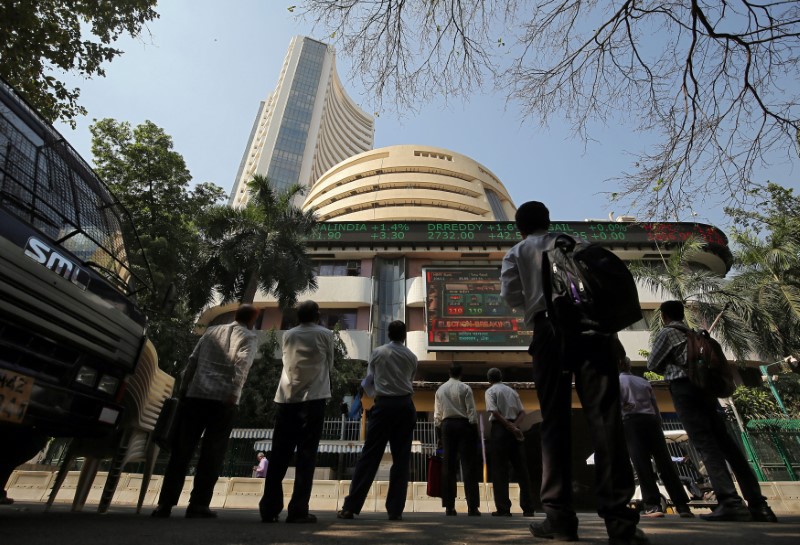
Brent crude fell 5.35% to $94.85 a barrel and WTI dropped 5.65% to $91.14, reflecting optimism around a potential reopening of the Hormuz route and a broader risk-on move. Indian equities rose sharply, with the Nifty 50 up 1.32% and Sensex up 1.42%, while India VIX fell 7.84% to 16.50, a 1-month low. FX was also softer for the dollar, with USD/INR down 0.48% to 95.24 and the US Dollar Index futures down 0.25% to 98.94.
The immediate market signal is not about oil itself so much as the collapse in tail-risk pricing: a lower geopolitical premium compresses energy volatility, which mechanically supports rate-sensitive and domestic cyclicals while removing a short-term inflation impulse. That is constructive for HDB and the broader bank cohort because easing commodity prices reduce the odds of a renewed surge in input-cost inflation, which would otherwise pressure real rates, household cash flow, and loan demand. Lower oil also tends to improve liquidity conditions in INR terms via weaker dollar pressure and a softer imported-inflation outlook, which is mildly supportive for financials over the next 1-3 months.
The more interesting second-order effect is that the move hurts the parts of the market that were implicitly long disruption: upstream energy, shipping, and any high-beta defense/geopolitical hedge trades. The underperformance in INFY is not directly oil-driven, but it fits a broader pattern where a lower VIX and reduced macro uncertainty can cap defensive IT premium, especially if USD softness persists and clients delay incremental budget decisions. In that sense, the market is rotating from 'risk hedge' to 'growth liquidity' rather than making a fundamental call on earnings revisions.
The consensus may be underestimating how fragile this rally is if the geopolitical headline fades faster than inventory and freight data confirm a real easing in supply risk. If crude stabilizes below $95 for several sessions, the trade becomes self-reinforcing through lower implied inflation and lower volatility; if it snaps back above $100, banks and autos likely give back part of the move as the market reprices fuel and subsidy sensitivity. The setup is therefore more attractive in instruments with convexity over a 2-6 week window than in outright cash equities.
AI-powered research, real-time alerts, and portfolio analytics for institutional investors.
Request DemoOverall Sentiment
mildly positive
Sentiment Score
0.25
Ticker Sentiment
