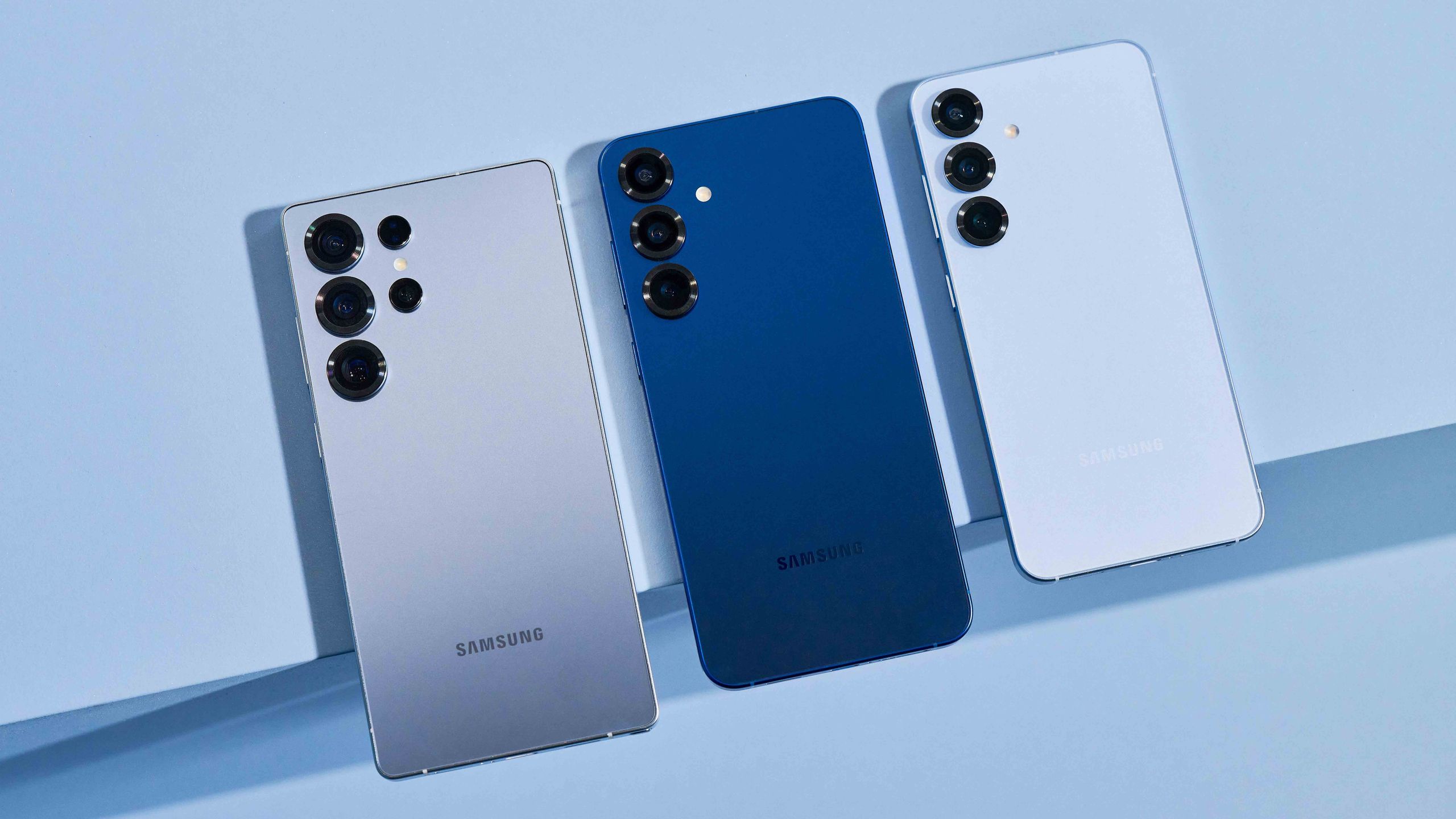
Samsung began rolling out the stable One UI 8.5 update on May 6, 2026, starting with the Galaxy S25, S25 Plus, S25 Ultra, and S25 Edge, before expanding to the S24 series, Z Fold 7, Z Flip 7, and Tab S11/S10 lines. The update emphasizes Galaxy AI, but feature availability varies by device model and region, with the full AI set limited to Galaxy S, Tab S, and Z series devices. The news is largely a routine software rollout with limited near-term market impact.
This is less a product-event catalyst than a quality-of-execution signal. A clean, staged rollout tends to reduce the support burden, return rates, and negative word-of-mouth that often follow software pushes, which matters because premium Android buyers disproportionately punish friction in the update experience. The immediate beneficiaries are Samsung's installed base and carrier/channel partners that want lower device-management churn; the hidden loser is any Android OEM whose differentiation depends on AI feature breadth, because Samsung is normalizing the idea that flagship software can refresh devices without requiring new hardware.
Second-order impact: Samsung is likely using software as a retention lever ahead of the next hardware cycle, which raises the bar for competing flagships to justify price premiums. If the update materially improves daily usability, it can extend upgrade intervals by a few quarters for some users, which is bearish for near-term handset replacement velocity but supportive of ecosystem stickiness and accessory attach. The segmented AI packaging also reinforces a two-tier Samsung experience, potentially nudging aspirational buyers toward top-end devices while preserving price discrimination across midrange lines.
The contrarian read is that the market may overestimate the AI monetization angle and underestimate the operational significance of a smoother rollout. AI features are increasingly table stakes and unlikely to move ASPs on their own; the real KPI is whether Samsung can reduce software-related dissatisfaction enough to improve Net Promoter Score and reduce support costs. If adoption is fast in the next 1-2 weeks across North America and Europe, that is a near-term sentiment tailwind; if region/model fragmentation creates confusion, the update becomes another reminder that Samsung's software stack still trails Apple's simplicity narrative.
Over a 3-6 month horizon, the key catalyst is whether Samsung can pair this with sustained update cadence and fewer beta-to-stable delays. Failure there would keep premium Android valuation multiples capped versus Apple, while success could modestly narrow the software-quality discount embedded in Samsung-linked supply chain names and Android-adjacent service providers.
AI-powered research, real-time alerts, and portfolio analytics for institutional investors.
Request DemoOverall Sentiment
neutral
Sentiment Score
0.10
