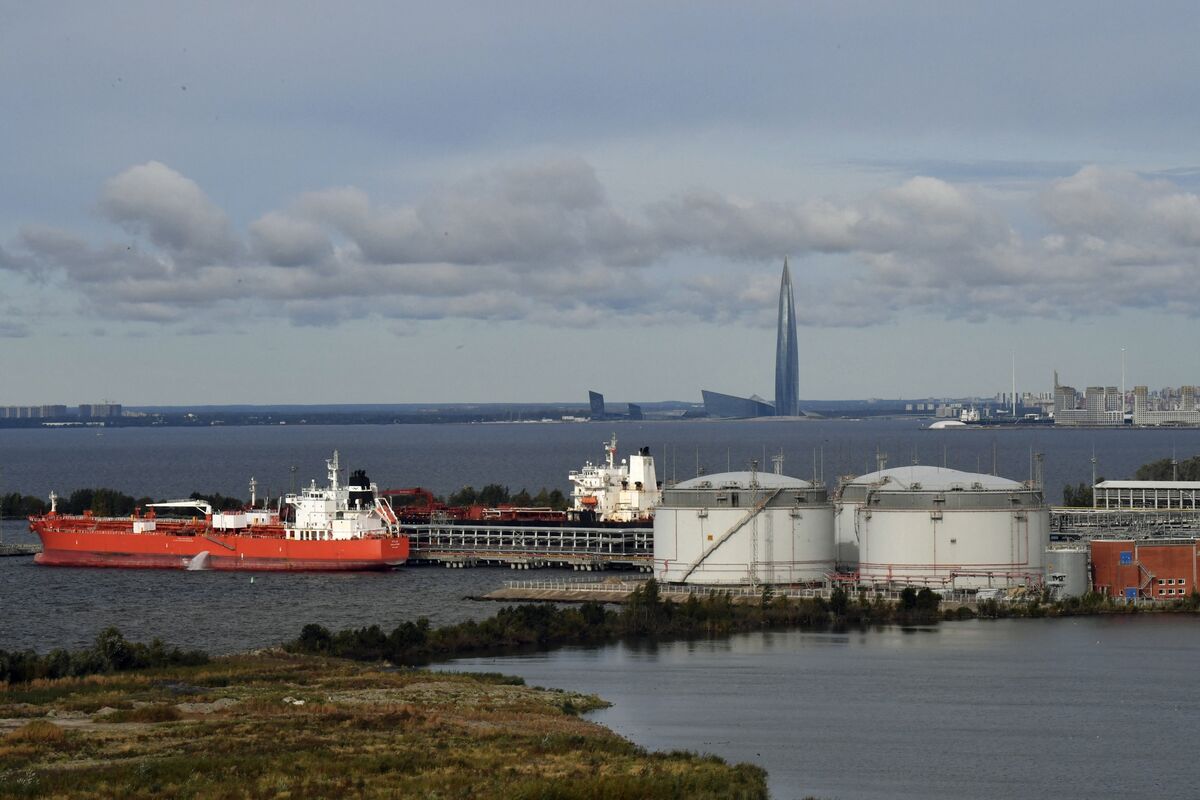
Russia’s Urals crude averaged $106.30 a barrel at western ports in the first 13 days of April, up 42% from March, as the Middle East war boosts oil prices and demand for Russian crude. Because Moscow uses this benchmark to calculate oil taxes, the price surge points to a larger oil-tax windfall for the Russian budget. The article is primarily bullish for Russia’s fiscal position and supportive of global oil prices.
This is a near-term fiscal-positive shock for Russia, but the more important market signal is that sanction leakage is still tight enough that Moscow can monetize a geopolitical risk premium rather than just a volume recovery. The second-order effect is that Russia’s marginal willingness to keep barrels flowing rises as prices rise, which stabilizes supply into Asia while leaving Western buyers more exposed to higher replacement costs and freight/insurance dislocations.
The real beneficiary set is broader than Russian fiscal accounts: tanker rates, dark-fleet utilization, and intermediated crude flows should all remain bid as longer routes and compliance friction persist. That said, the move is self-limiting if it starts to reprice global inflation expectations aggressively; in that case the market will quickly pivot from “supply stress” to “growth damage,” flattening the upside for crude after the first impulse.
The biggest risk to the thesis is not an immediate ceasefire headline, but policy response: coordinated SPR releases, tougher enforcement on shipping/insurance, or a demand-destroying spike in refiners’ input costs over the next 4-12 weeks. A less obvious contrarian point is that higher Urals prices can actually improve Russia’s tax take enough to preserve upstream spending, which reduces the probability of a medium-term production cliff that bulls might otherwise expect.
From a cross-asset perspective, this is more actionable as a relative-value and volatility trade than a naked directional one. Energy equities with strong balance sheets can absorb a modest commodity rally, but the cleaner expression is via options because the geopolitical premium can compress abruptly on diplomatic headlines.
AI-powered research, real-time alerts, and portfolio analytics for institutional investors.
Request TrialOverall Sentiment
mildly positive
Sentiment Score
0.20
