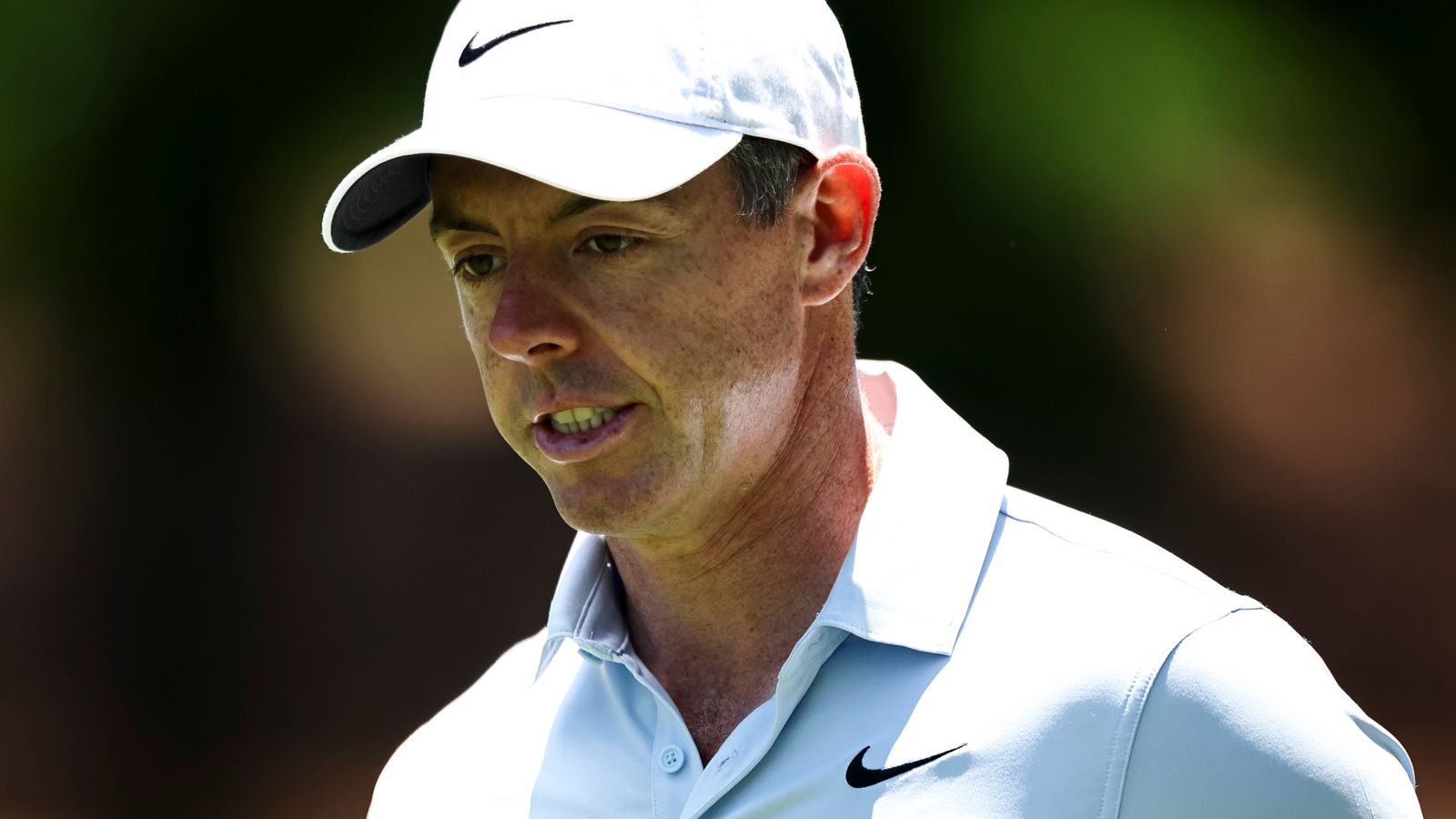
Rory McIlroy said players who do not want to return to the PGA Tour "say something about you," as uncertainty builds around LIV Golf after Saudi PIF said it will end funding at the close of 2026. He also said alternative backing for LIV would be notable, while Bryson DeChambeau and Jon Rahm signaled openness to future pathways depending on player and business approval. The piece is mostly commentary on golfer mobility and league structure, with limited direct market impact.
The key market implication is not a golf narrative; it is optionality being repriced around a distressed media-sports asset with a weak sponsor base. If LIV’s funding is curtailed and roster quality leaks back to established tours, the scarce inventory becomes PGA/DP World Tour broadcasting, sponsorship, and hospitality rights rather than team-style exhibition content. That shifts negotiating leverage toward incumbents and raises the probability that premium live-event rights remain concentrated with entities that can monetize global stars across more total dates.
The second-order winner is likely the broader golf ecosystem: tour operators, premium course owners, betting/media platforms, and luxury travel operators that benefit from a more unified elite calendar. A fragmented LIV footprint has been useful for narrative disruption, but it has also diluted week-to-week relevancy; reunification would improve star density on traditional weekends and likely lift ratings, sponsor activation, and corporate hospitality demand over a 6-18 month horizon. The biggest loser is the alternative-sports/IP experiment itself, because the economics of paying top talent to participate in a low-frequency circuit look increasingly fragile without sovereign balance-sheet support.
The market is probably underestimating the path-dependence here. Even if players are reinstated, legal, contractual, and membership politics can stretch resolution into 2026, which means the trade is less about immediate reunification and more about a rolling overhang on LIV’s valuation and bargaining power. A failed reset would force a reset in player earnings, agent strategies, and sponsor allocations; a successful reset would still favor the tours that can claim competitive legitimacy and global distribution.
Contrarian view: the consensus may be too focused on LIV surviving or dying, when the more valuable outcome for incumbents is a controlled shrinkage that preserves headline names but removes enough cash to reduce competitive pressure. In that case, the winner is not one league versus another; it is the legacy tours regaining pricing power while LIV becomes a niche content property rather than a parallel product.
AI-powered research, real-time alerts, and portfolio analytics for institutional investors.
Request DemoOverall Sentiment
neutral
Sentiment Score
-0.05
