


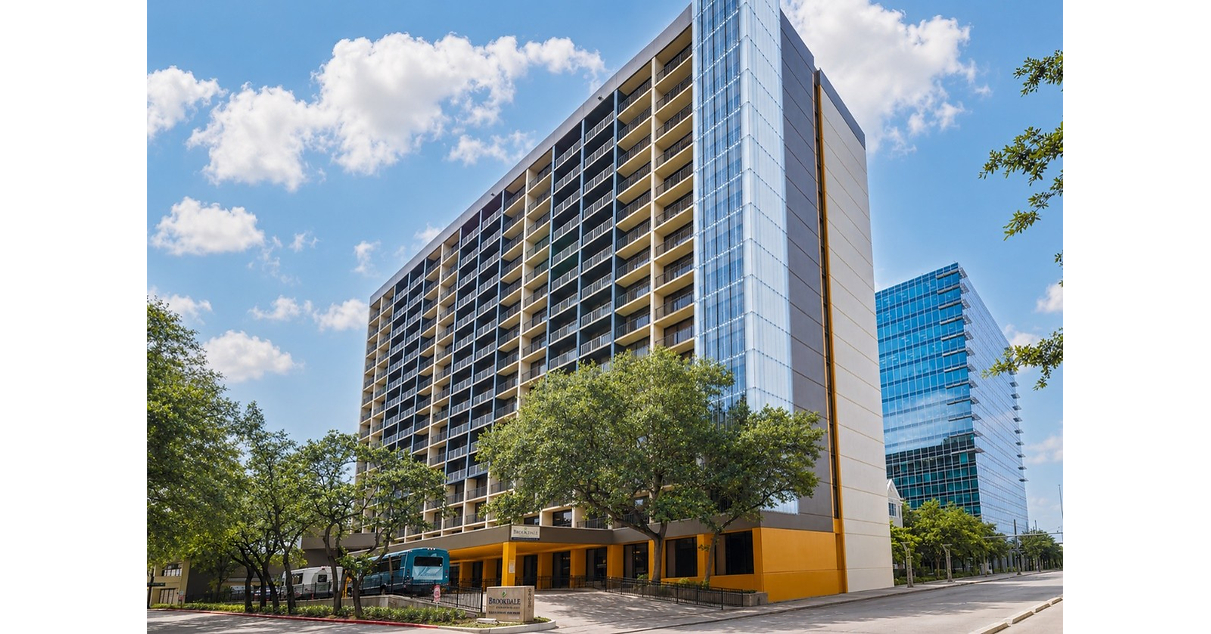
Brookdale Senior Living (BKD) completed the acquisition of the Brookdale Galleria Houston community for $23.4 million (244 units), touting a “substantial discount” to replacement cost and an attractive per-unit price. Management expects the deal to increase consolidated operating income and Adjusted EBITDA in the near term, with value creation via repositioning/amenity upgrades and modest additional investment to lift occupancy (currently below the company’s consolidated average). The purchase was funded with cash on hand and proceeds from its recently expanded line of credit.
This is less an earnings catalyst than a credibility signal around asset quality and capital allocation. The market should read it as BKD trying to re-rate from a pure operator to a hybrid opco/real-estate platform, which can support a higher asset-back multiple only if management can prove the asset-level IRR exceeds the incremental debt cost and ongoing capex burden. The immediate economic impact is likely modest versus BKD’s enterprise value, so any stock move should fade quickly unless management uses the deal to raise occupancy or margin guidance on the next call.
The bigger second-order effect is on valuation perception: buying a well-located senior housing asset below replacement cost implies the underlying real estate may be more durable than the public equity suggests, especially in affluent submarkets where demand is less rate-sensitive. That helps BKD relative to operators with weaker location quality or less owned real estate, but it also highlights a split between asset-rich names and highly leased peers that remain exposed to rent resets and financing costs. If the acquisition was financed partly with revolver capacity, near-term leverage optics could worsen even as long-term asset coverage improves.
The contrarian miss is that management can’t buy its way out of industry-level occupancy and labor pressure. Repositioning takes months, not days, and the hurdle is whether incremental capex actually lifts move-ins and pricing enough to offset carry and execution risk; if not, this is just a balance-sheet reshuffle dressed up as growth. Falsifiers to the positive read: no visible occupancy improvement at the property over the next 1-2 quarters, rising interest expense from credit-line usage, or a broader senior-housing demand slowdown that keeps this asset underfilled despite the affluent location.
AI-powered research, real-time alerts, and portfolio analytics for institutional investors.
Request TrialOverall Sentiment
mildly positive
Sentiment Score
0.25
Ticker Sentiment
