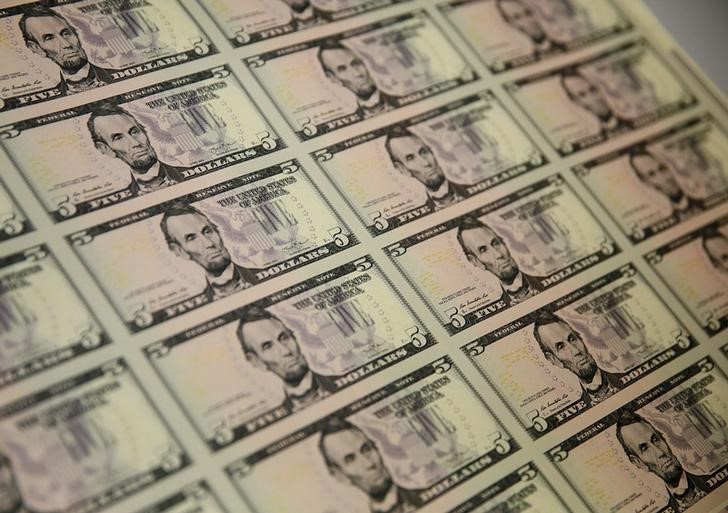
The U.S. dollar index slipped slightly to 100.96, helped by easing inflation worries as oil prices fell and by FOMC minutes showing an evenly divided debate on the path for rates. While a few policymakers argued there was a case to raise the funds rate, most expected inflation to return toward 2% absent further shocks, with some noting AI-driven demand, the Iran war, and tariffs could keep inflation elevated. In FX, USD/CNY fell 0.1% to 6.7921 on China PPI rising to a four-year high (4.1% Y/Y) while Japan’s yen steadied (USD/JPY down 0.1% to 162.40). Oil moved on escalating U.S.-Iran tensions after fresh strikes, leaving the near-term inflation/rate-hike timing sensitive to further crude moves (market baselines October).
The market mechanism here is not “oil down = good risk assets” so much as “oil stability determines whether the Fed can ignore the next CPI print.” If crude fails to re-break higher, the front end should stop pricing an earlier hike, which is a bigger driver for cross-asset returns than the spot move in energy itself. That setup favors duration and rate-sensitive equities over energy, but only if the oil shock remains contained for 2-4 weeks; one more leg up in crude would force hawkish repricing across the curve.
For financials, the key distinction is between funding costs and credit. A less hawkish Fed helps deposit pressure and reduces mark-to-market stress, but the bigger win is for high-quality banks with diversified fee income; JPM is better insulated than regionals with CRE exposure or heavier deposit beta. If the market starts fading the hike-pull-forward narrative, the relative performance gap between JPM and smaller banks should widen over 1-3 months.
FX is telling us the same story: the yuan bounce is more likely a squeeze on short-dollar positioning than a clean China demand signal, since producer inflation running hot with soft consumer inflation usually compresses downstream margins rather than improving end demand. The yen’s strength looks intervention-adjacent, not trend-confirming; above 160 in USD/JPY, the market should price a higher probability of official pushback, making upside in dollar/yen tactically crowded. The contrarian risk is that geopolitics re-ignite crude and re-anchor inflation expectations, which would invalidate any duration or yen long quickly.
AI-powered research, real-time alerts, and portfolio analytics for institutional investors.
Request DemoOverall Sentiment
neutral
Sentiment Score
-0.05
Ticker Sentiment
