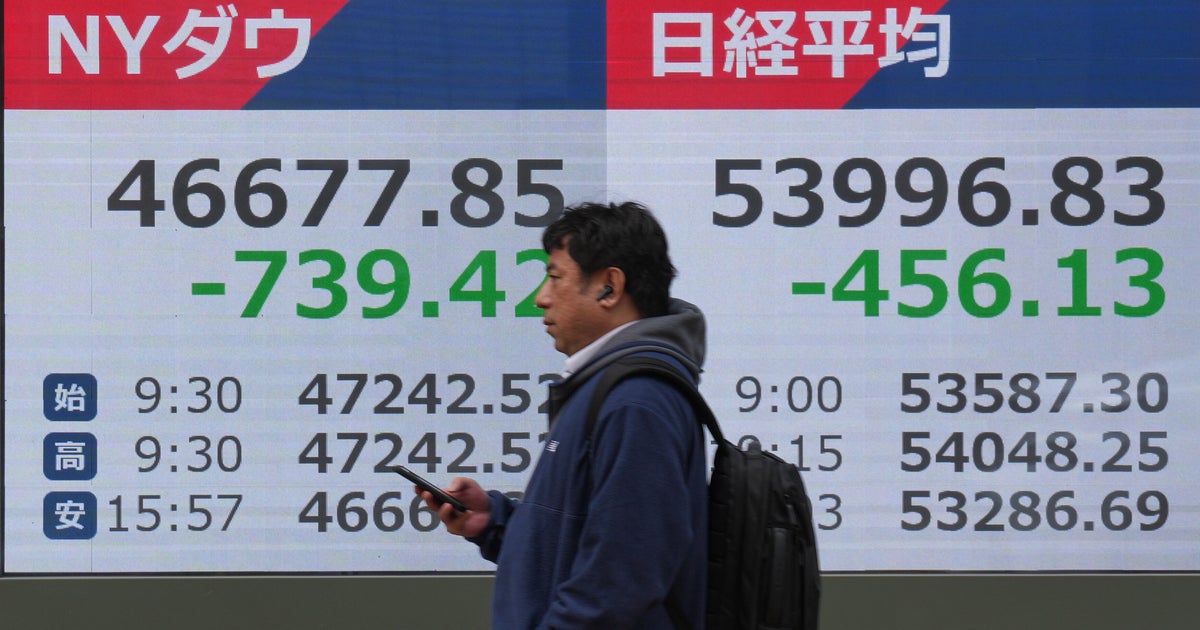
Brent was at $100.30/bbl and WTI $95.98/bbl as oil has surged ~40% since the war began; Europe’s STOXX 600 fell 0.6% early and is down 6.1% in March so far. The dollar is up ~2.5% since late February, two-year Treasury yields have risen about 35bps since the war (at 3.74% after easing 2bps on Friday), and markets have repriced Fed easing to ~20bps from 50bps priced last month. Escalating Middle East attacks and threats to the Strait of Hormuz are driving risk-off flows and elevated volatility ahead of multiple central bank meetings next week.
A persistent geopolitical-driven energy risk premium will reallocate real economic pain and financial gains unevenly across sectors: commodity producers with spot exposure tighten free cash flow visibility positively, while midstream, refiners and energy-intensive industrials face margin squeeze that shows up in operating leverage within 2–6 quarters. Brokers and electronic-trading platforms are a near-term beneficiaries pathway — higher trade/volatility intensity and wider interest-rate dispersion lift non-interest revenue and client cash yields; this is a convexity trade that often manifests in outsized EPS beats during the first 1–2 reporting cycles.
Currency dislocations amplify credit and funding stresses in emerging markets and dollar-funded corporates, creating a two-speed default channel: sovereigns with FX reserves are fine near-term, corporates with short USD debt and narrow margins are the first dominoes over 3–12 months. Insurance, freight and specialty servicing firms (warzone hull/war-risk underwriters, longer-voyage tanker owners) see durable pricing power — structural uplift to revenue per day for shipping assets and to premiums for marine risk that can persist beyond headline stabilization.
Market microstructure risk is underpriced: central bank policy inertia combined with elevated risk-premium will keep term premiums and short-end yields more volatile; this favors convex, optionality-rich instruments (short-dated calls on brokers, long-dated commodity call spreads, implied-volatility exposures) and hurts long-duration growth multiple stocks. The most likely catalysts to reverse current repricing are a credible, multi-party de-escalation or a coordinated strategic release/production response; either could compress risk premia sharply within 2–8 weeks and create a violent snapback in cyclical assets.
AI-powered research, real-time alerts, and portfolio analytics for institutional investors.
Request DemoOverall Sentiment
strongly negative
Sentiment Score
-0.65
Ticker Sentiment
