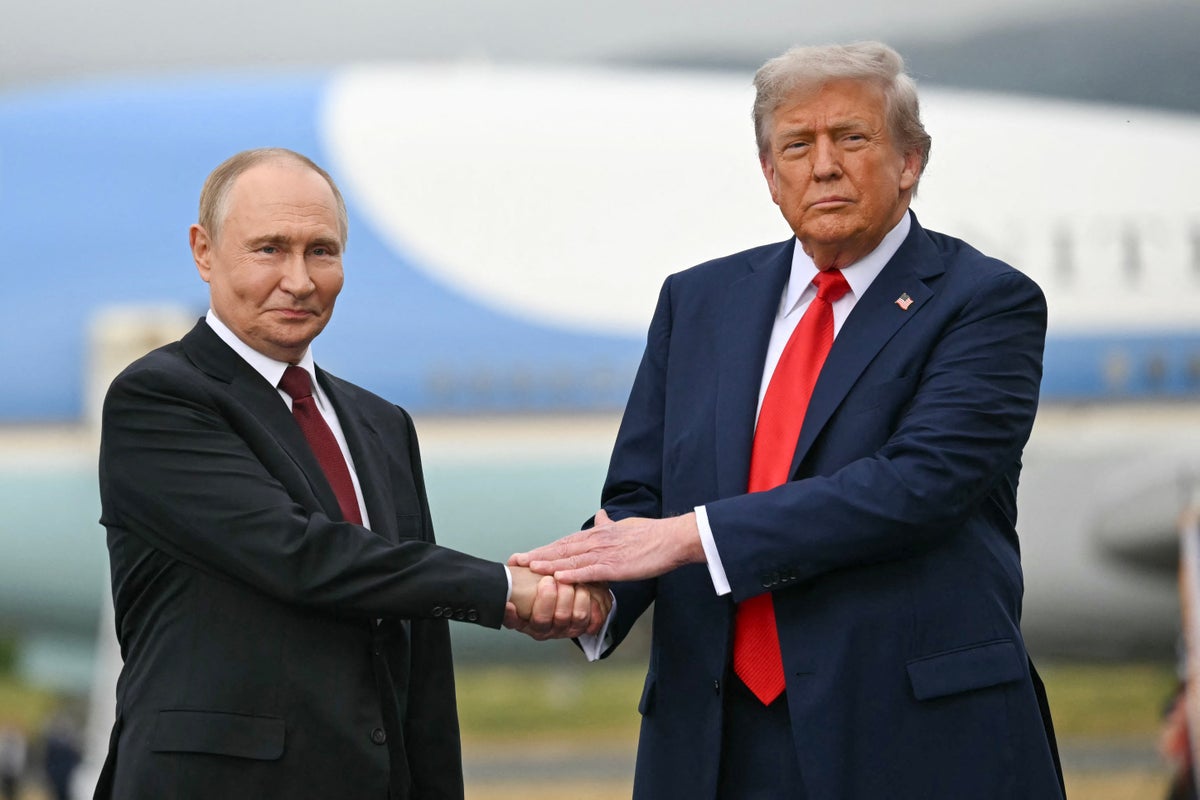
Oil prices have hit record highs after an Iranian blockade of the Strait of Hormuz and the US lifted sanctions on Russian oil; President Trump admitted Putin 'might be helping' Iran, fueling concerns about intelligence sharing and escalation. The UN appealed for roughly $300–308m for Lebanon as Israeli strikes have killed 773 people there since March 2; six US servicemen died after a tanker crash in Iraq. The US offered up to $10m for information on Iran's new supreme leader, and Bahrain and Saudi F1 Grands Prix are likely to be cancelled, signaling broad regional disruption with material implications for energy markets and risk assets.
Market reaction is pricing a persistent supply-friction regime rather than a transitory spike: insurance premiums, potential ship re-routing and sanctioned-but-operational Russian barrels create a two-track oil market where physical tightness in short-haul Asian/MENA flows coexists with incremental Russian supply to long-haul buyers. That bifurcation favors floating storage/tanker owners and quick-to-scale US shale over integrated refiners that are capital-heavy and slower to redeploy.
Second-order winners include tanker owners (charter rates can gap +20-60% on contingency routes and war-risk surcharges), spare-parts suppliers for naval and air refueling fleets, and defense primes with fast-procure ISR/air-defence lines—these cashflows are front-loaded and less correlated to cyclical demand. Losers are travel/hospitality and event owners with concentrated Middle East exposure (logistics outages and venue cancellations compress near-term EBITDA), and airlines whose fuel hedges reset at higher strikes.
Tail risks center on escalation (regional naval interdiction, wider Hezbollah engagement) that could push premium scenarios into months/years, versus rapid diplomatic de-escalation (trackable via backchannels, Russian/Chinese public disclaimers) that would unwind premiums within 30-90 days. Volatility compression would be the fastest reversal; sustained higher prices require prolonged Strait-of-Hormuz disruption or structural rerouting of crude flows.
A tactical playbook should tilt toward convexity — owning short-duration option exposure on shipping/defense and operational E&P while hedging event-risk for discretionary consumer exposure. Monitor three market triggers: (1) issuance of extended war-risk insurance clauses, (2) tanker route/time-on-route data (AIS), and (3) diplomatic signaling from Moscow/Beijing; any of these can flip P/L rapidly within weeks.
AI-powered research, real-time alerts, and portfolio analytics for institutional investors.
Request DemoOverall Sentiment
strongly negative
Sentiment Score
-0.80
Ticker Sentiment
