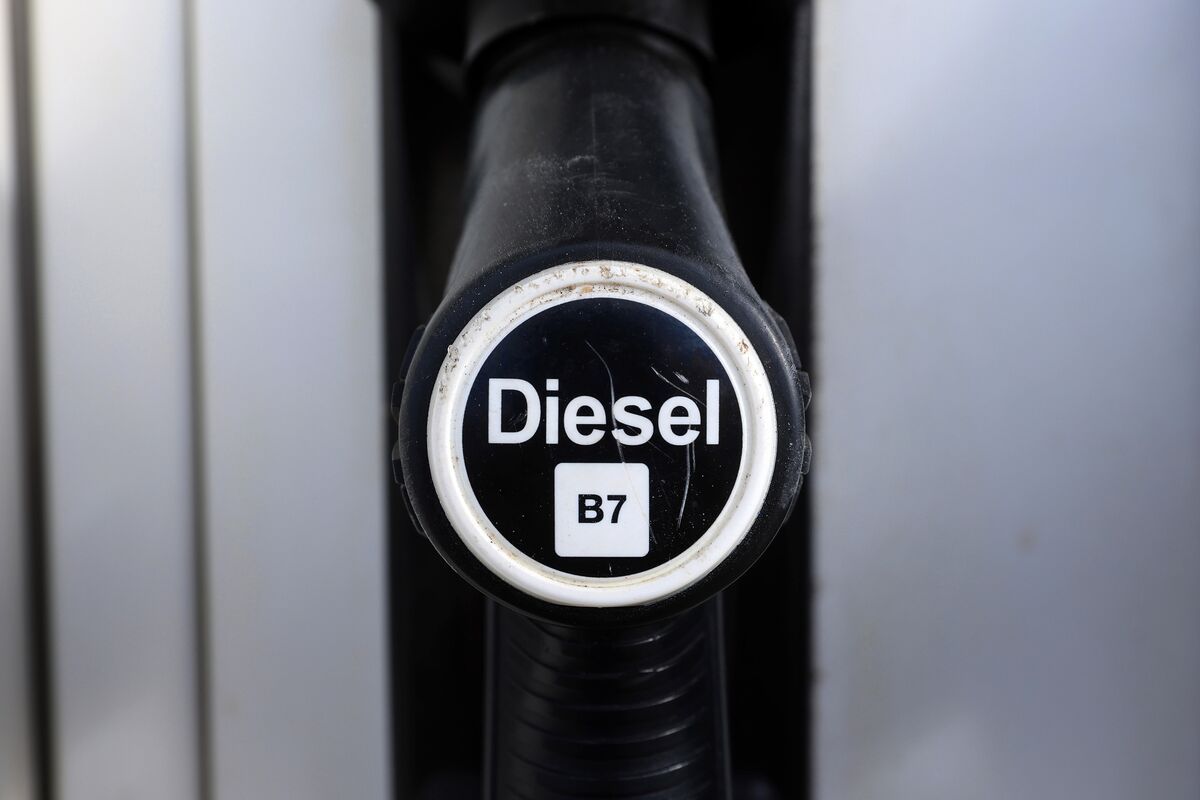
Malaysia’s prime minister denied allegations that state energy firm Petronas was supplying diesel to the Philippines, saying the shipments were instead handled by Vitol Group under existing commercial arrangements. The episode highlights sensitivity around cross-border fuel trade as countries face elevated energy costs. The report is mostly clarificatory and is unlikely to have major direct market impact.
The important read-through is not the shipment itself but the political premium now attaching to fuel arbitrage across Southeast Asia. When a state-linked name is even rumored to be involved, it raises the odds of administrative friction, tighter documentation, and slower approvals for otherwise normal cross-border product flows; that benefits the most nimble private traders and penalizes incumbents with visible sovereign ties. In practice, this can widen regional diesel differentials for weeks even if the underlying physical balance is unchanged. The second-order winner is any intermediary with diversified origination, storage, and blending optionality — they can route around headline risk while public entities get stuck proving what is already commercial reality. The loser set is broader than one Malaysian firm: refiners, traders, and transport operators with politically exposed balance sheets may face more counterparty scrutiny, higher compliance costs, and occasional delivery delays. That friction is especially relevant in a tight middle-distillate market, where even small logistics bottlenecks can temporarily amplify price spikes. Risk-wise, the catalyst is policy, not fundamentals. If governments respond with export reviews, informal discouragement, or customs drag, the effect hits in days to a few weeks; if officials instead reaffirm normal trade, the market likely fades the issue quickly. The contrarian view is that this is less a supply shock than a governance signal: rising energy costs are pushing politicians to police optics, but they still need the barrels, so the headline risk may be more durable than the price impact. For positioning, this argues for owning traders and logistics beneficiaries over politically exposed national champions in any broad EM energy basket. The cleanest expression is a relative-value long in global commodity merchants with Asia exposure versus a short in state-linked downstream/marketing proxies if the headline escalates again. If diesel spreads or freight rates pop on renewed scrutiny, fade the move after 3-5 sessions unless there is evidence of actual volume disruption.
AI-powered research, real-time alerts, and portfolio analytics for institutional investors.
Request DemoOverall Sentiment
neutral
Sentiment Score
-0.05
