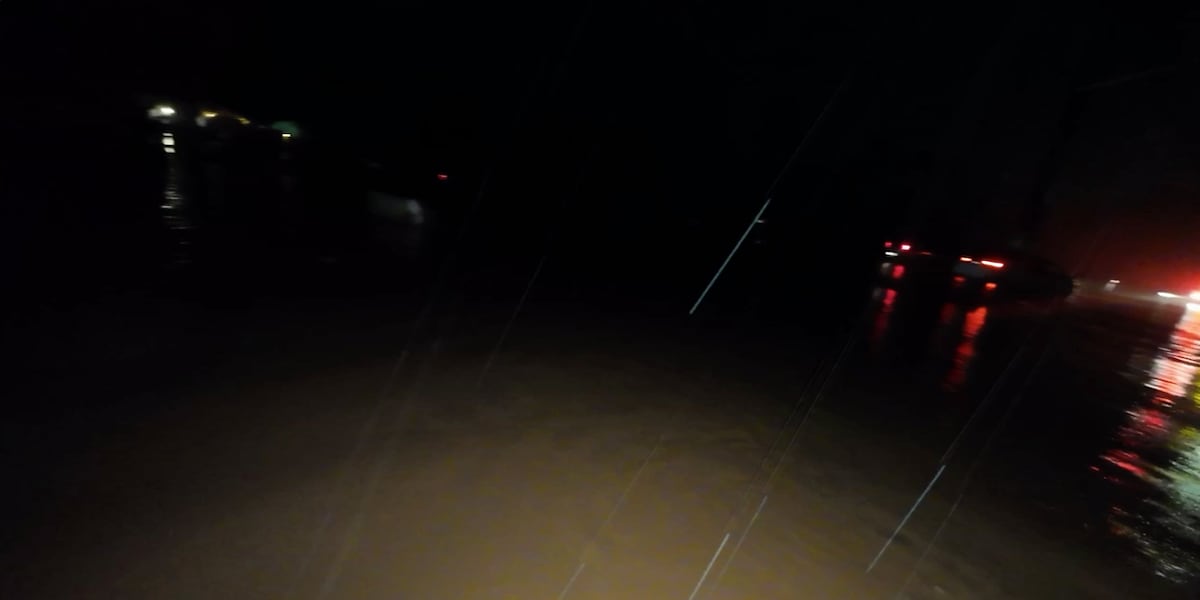
An evacuation order was issued for Waialua and Haleiwa due to an 'imminent risk' of Wahiawa Dam failure as a Kona low brings heavy rain and flash flooding across Oahu; First Alert Weather Days are in effect through Sunday. Severe flooding from Kahaluu to Kaimuki, a landslide in Kaneohe, and rockfalls on Kamehameha Highway were reported; authorities urge residents to avoid roads and keep 911 lines clear for true emergencies.
Expect a sharp, front-loaded impact on island logistics that plays out over days-to-weeks: port and inter-island terminal disruptions will create capacity tightness for inbound food and building materials, pushing spot freight and air-cargo premia higher by a mechanically predictable 10–30% while vessels and flights are re-routed. Companies with dominant island freight positions can monetize that squeeze quickly because incremental volume pricing is highly inelastic and recovery involves physical repair of roads/bridges rather than simple schedule changes.
Over the 1–12 month horizon, the dominant second-order is reconstruction demand. Residential and commercial repair will lift retail building-supply volumes and heavy-equipment rental/sales, compressing dealer inventories and improving margins for national DIY chains and OEM parts distributors. Conversely, insurers face concentrated nat-cat claims that will hit loss ratios immediately; the size of the hit will depend on retention/reinsurance attachment points and state-driven indemnity/repair programs which can shift the timing of cash losses across quarters.
Tourism revenue and local carriers are asymmetric: very high probability of a short-term revenue hit from cancellations and runway/road constraints, but materially lower probability of a multi-quarter demand destruction because Hawaii’s bucket-list demand rebounds fast once infrastructure is restored. That creates a tradeable dispersion between short-duration travel exposure and longer-duration rebuild beneficiaries — a theme amplifiable with options to keep capital efficient while capping downside if recovery timelines slip due to cascading failures (e.g., major dam or bridge collapse).
AI-powered research, real-time alerts, and portfolio analytics for institutional investors.
Request DemoOverall Sentiment
strongly negative
Sentiment Score
-0.60
