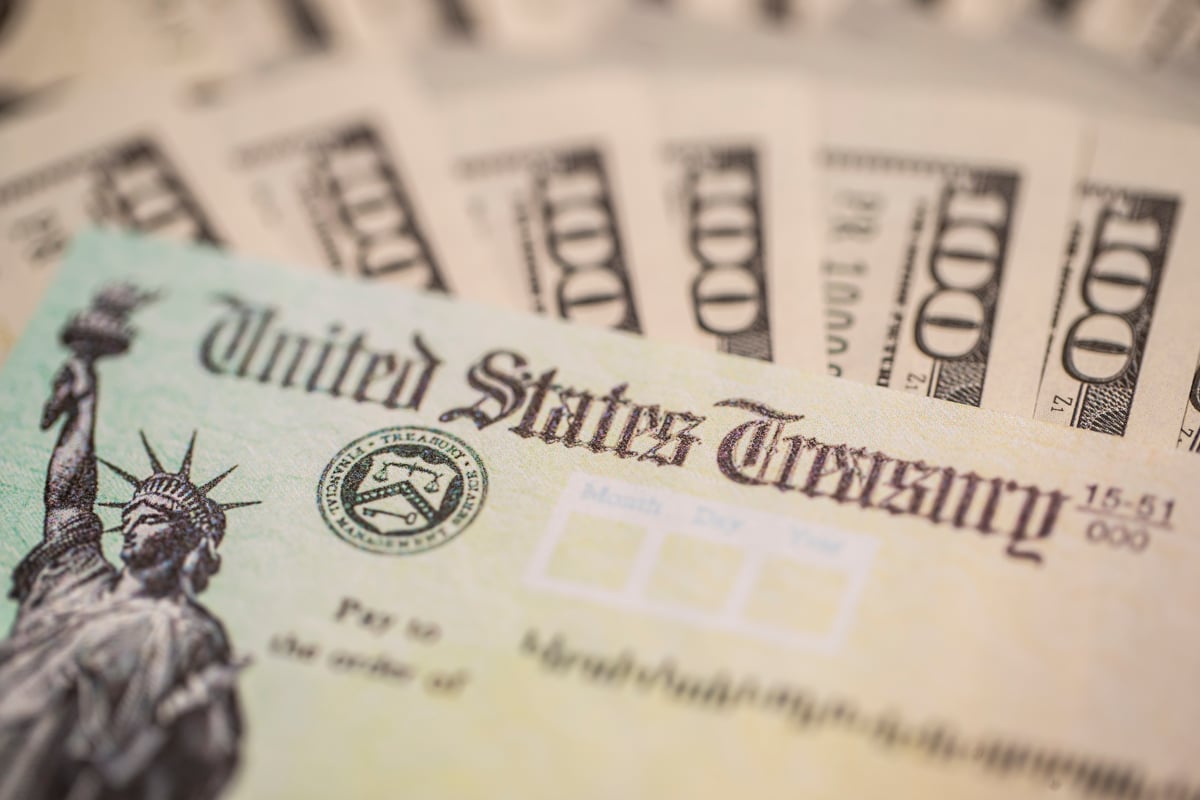
As Warren Buffett prepares to retire at year-end, Berkshire Hathaway has materially trimmed stakes in Apple (now ~238.0M shares, 21.4% of its stock portfolio) and Bank of America (now ~568.0M shares, 9.6% of its stock portfolio), citing high valuation (Apple forward P/E ~33.5) and competitive pressures in banking. Proceeds are largely parked in short-term U.S. Treasury bills—$320.5 billion at quarter-end after adding nearly $10 billion in the quarter—earning roughly 3.9% (about $12.5 billion annualized), preserving liquidity and leaving incoming CEO Greg Abel significant dry powder for future opportunities; the piece also notes a potential tax-rate rationale for trimming winners now.
Market structure: Berkshire's shift from equities into $320.5B of T‑bills (≈3.9% yield) moves a large marginal buyer out of expensive large caps — direct winners are short‑duration Treasury ETFs (BIL/SHV) and cash‑rich acquirers; losers are richly valued growth names (AAPL forward P/E ≈33.5) that lose a patient, large buyer. Increased supply pressure on Apple/BAC paper is gradual but meaningful given Berkshire’s portfolio weights (AAPL 21.4%, BAC 9.6%), so expect increased amplitude in large‑cap liquidity windows over days–months.
Risk assessment: Tail risks include a governance‑triggered equity dump on Buffett retirement, a corporate tax rate rise that accelerates realized gains selling, or a sudden deployment of the $300B+ into large M&A that re‑prices dealable sectors; probability low but impact high. Immediate (days/weeks) = elevated volatility in BRK/large caps; short‑term (months) = rotation into cash proxies; long‑term (quarters/years) = potential re‑rating of BRK if Abel deploys capital or capital gains tax changes force further rebalancing.
Trade implications: Tactical allocation to short‑duration Treasuries captures ~3.8–4% carry while preserving optionality; selectively buy BRK.B as a call option on corporate deployment (start with 2–3% position, add on >5% pullback) while selling 3‑month 10% OTM calls to monetize. Use small, defined‑risk bearish structures on AAPL (3‑6 month bear put spread, ATM vs 10% OTM, size 0.5–1% portfolio) and a relative value pair (long BAC, 3–4% position, hedged with 3‑6 month 15% OTM puts vs equal notional short AAPL exposure) to play valuation gap.
Contrarian angles: Consensus overlooks that cash yields now produce meaningful EPS‑like income for Berkshire and reduce downside — cash is strategic, not surrender. Market may over‑penalize BRK for selling winners; historical parallels (2008/2009 cash accumulation then deployment) suggest patience could pay if Abel executes M&A. Unintended consequence: crowded move into short Treasuries could compress yields and create tactical roll risk when opportunities to redeploy arise.
AI-powered research, real-time alerts, and portfolio analytics for institutional investors.
Request DemoOverall Sentiment
mildly positive
Sentiment Score
0.25
Ticker Sentiment
