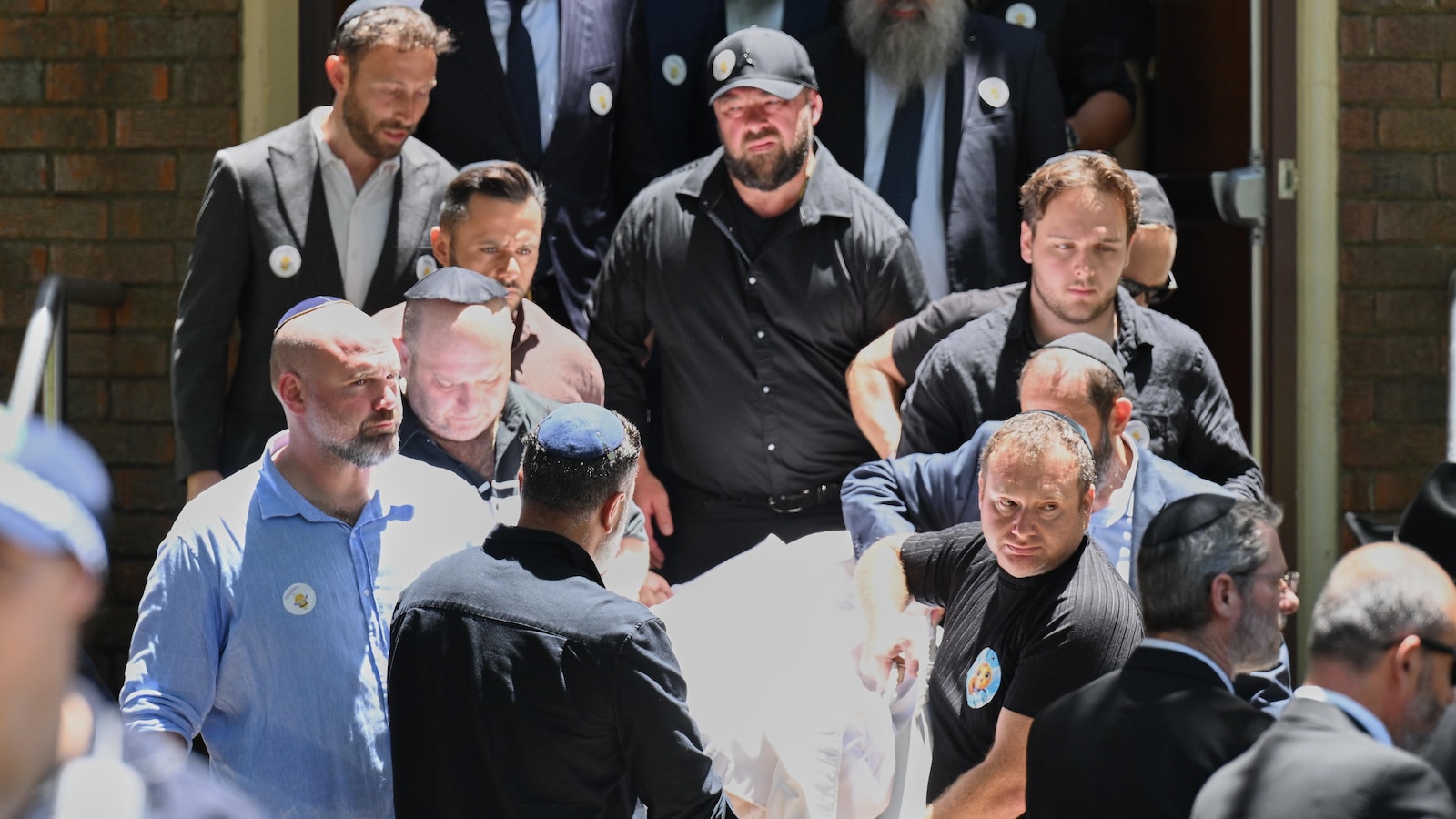
A mass shooting at a Hanukkah celebration in Bondi Beach left 15 people dead, including a 10-year-old girl, and dozens injured; authorities say two suspects, a father and son inspired by ISIS, carried out the attack (one killed, the other charged with 59 offences and hospitalized). Prime Minister Anthony Albanese announced proposed legislative measures to broaden hate‑speech offenses, toughen penalties, allow designation of hateful groups and expand visa cancellation powers, alongside pledges to tighten gun controls, while investigators probe the suspects' travel to the Philippines. The incident raises domestic political pressure for regulatory and security responses but is unlikely to have direct material market effects beyond near-term risk-off sentiment.
Market structure: Near term winners are homeland-security and cyber/AI surveillance vendors and selected defense contractors as governments accelerate domestic-protection spend; expect +5–15% incremental FY revenue potential for mid-tier contractors and cybersecurity vendors from new public tenders over 12–36 months. Losers include local event-driven hospitality, experiential retail and insurers underwriting mass‑gathering liability where attendance could fall 5–20% in affected precincts for 1–3 months; firearm retailers in Australia see limited impact given strict existing rules. Cross-asset: expect a risk-off micro‑shock in Australian equities and AUD (weakening 0.5–1% intraday), modest rally in sovereign bonds (AUS 2–5y yields down ~5–15bps) and a 1–3% bid for gold/GLD as safe haven.
Risk assessment: Tail risks include follow-on attacks or political backlash that force rapid, unfunded security programs (cost shock to states) or new digital‑speech laws that create compliance costs for big tech; probability 5–10% in 12 months but high impact to specific vendors and platforms. Immediate (0–7 days): sentiment shock and event-driven volatility; short (1–6 months): legislative proposals and visa/hate‑speech enforcement; long (1–3 years): structural uplift in public security budgets and procurement cycles. Hidden dependencies: election timing and state-level budgets will determine procurement pace; insurer re‑pricing could lag 6–12 months.
Trade implications: Tactical: establish 1–2% long positions in CRWD and PANW (cybersecurity exposure) and 1% long in HACK ETF to capture RFP flows, using 3–9 month call spreads to limit premium (buy 6‑month 10–25% OTM call spreads). Defensive: add 1–2% long GLD if spot gold moves >1.5% in 48 hours. Short/hedge: reduce Australia leisure exposure via 1–2% trim of EWA or buy 1–3 month puts on EWA if ASX200 drops >3%; consider 1% short on QAN.AX (Qantas) into 30–60 day window. Rotate +3–5% allocation from discretionary to defense/cyber over next 3–12 months.
Contrarian angles: The market will likely overprice permanent demand uplift for consumer security—histor parallels (Christchurch 2019) show procurement spikes in 6–18 months then mean reversion; that creates 6–12 month alpha in small contractors that win early contracts but then compress. Consensus underestimates regulatory impact on big tech — new hate‑speech enforcement could create recurring compliance contracts (benefit to PLTR, BA Kelley‑type integrators) while also creating liability for platforms (META, GOOG) that could trade down 5–10% on specific bills. Watch: passage of federal hate‑speech/visa bills within 90 days and announced procurement RFPs in 3–9 months as trade triggers.
AI-powered research, real-time alerts, and portfolio analytics for institutional investors.
Request DemoOverall Sentiment
strongly negative
Sentiment Score
-0.65
