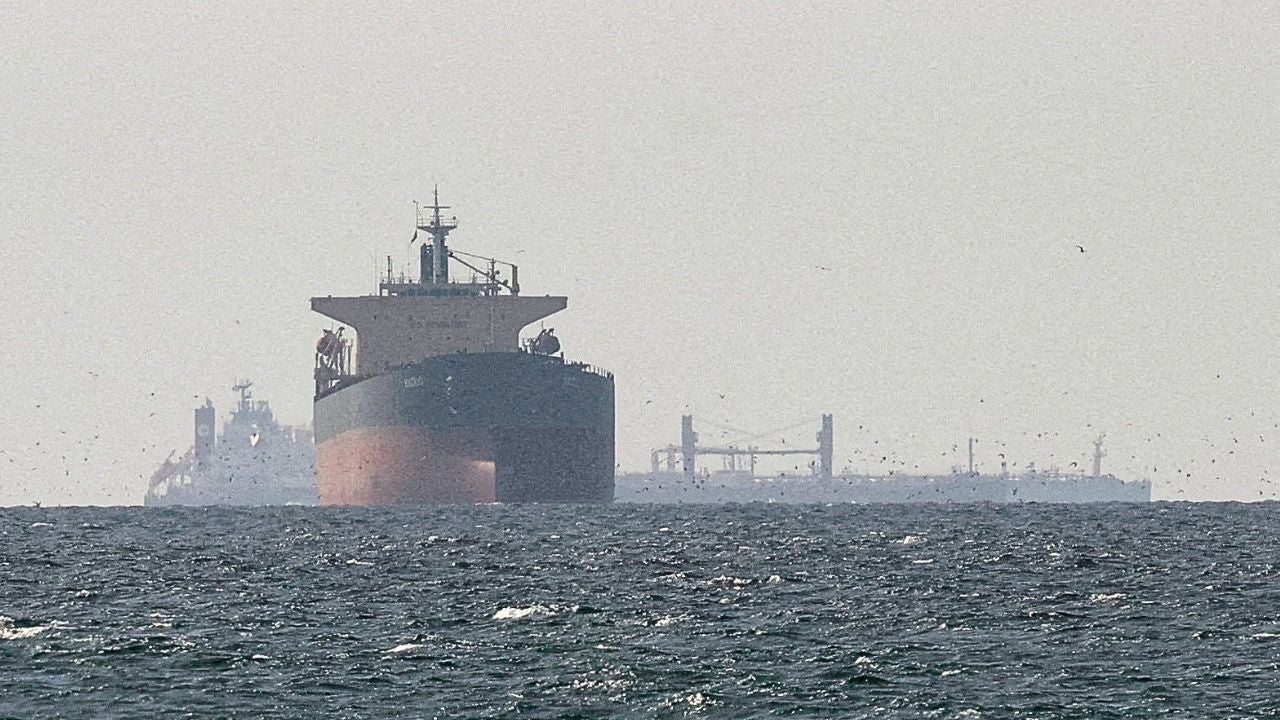
Iran reversed its reopening of the Strait of Hormuz and said the waterway is under strict armed-forces control, with reports that the IRGC fired on at least one vessel and forced multiple ships to turn around. The move threatens transit through one of the world’s most critical energy chokepoints and directly ties reopening to the U.S. blockade of Iranian ports. The development raises the risk of a major disruption to oil shipping and broader regional escalation.
The market is likely underpricing the asymmetry of a perceived-but-not-yet-complete chokepoint disruption: even short-lived friction in Hormuz can lift tanker rates, widen prompt crude differentials, and raise delivered feedstock costs for Asia more than for Atlantic Basin consumers. The second-order winner is not just upstream energy, but any asset whose earnings improve from higher freight and insurance premia; the losers are refiners, integrateds with large import dependence, and industries running on just-in-time inventories. In the next 1-3 sessions, the most sensitive pricing should show up first in front-month oil, tanker equities, and energy-heavy airlines/chemical names rather than in broad indexes.
The bigger risk is that this becomes a self-reinforcing logistics shock: charterers pre-book capacity, vessels slow steam or reroute, and effective capacity tightens even if physical flows eventually resume. That creates a time spread trade in crude and products that can outperform a simple outright oil long if the standoff persists for days rather than weeks. A clean de-escalation would likely come from third-party mediation or a narrow concession on port access, which would compress the risk premium quickly; the trade therefore has a very binary catalyst structure over a 24-72 hour horizon.
Contrarian view: the move may be overread if the disruption is more signaling than durable enforcement. Markets often extrapolate headline closures into sustained supply loss, but unless actual vessel insurance becomes unavailable or military assets stay in place, the premium can decay fast. The better expression may be to own optionality rather than delta: implied vol in energy and shipping should still be cheap relative to the tail risk of a genuine strait shutdown, especially if the situation remains fluid into the next trading week.
AI-powered research, real-time alerts, and portfolio analytics for institutional investors.
Request TrialOverall Sentiment
strongly negative
Sentiment Score
-0.65
