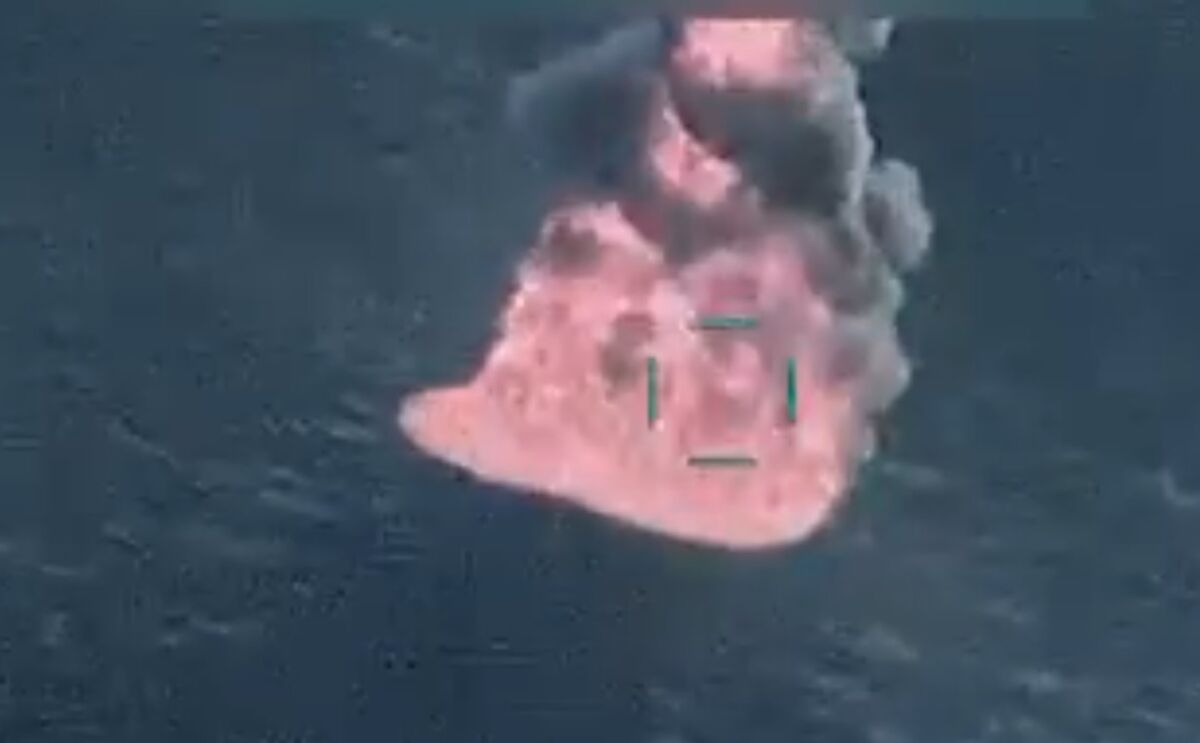
U.S. Defense Secretary Pete Hegseth publicly defended a series of nearly two dozen U.S. airstrikes on suspected drug-running boats off Venezuela’s coast and in the Pacific, endorsing an admiral’s decision to order that two survivors be killed after a September strike. The strikes have drawn bipartisan scrutiny and reports of a follow-up attack on survivors have prompted accusations of possible war crimes, raising the prospect of congressional inquiries, reputational and legal risk for U.S. military leadership, and potential policy or operational shifts in maritime interdiction.
Market structure: Near-term winners are US defense primes (RTX, LMT, GD) and maritime security/surveillance vendors as Congress and DoD face pressure to increase ISR and interdiction spending; expect a 1–3% revenue tailwind for primes over 12 months and a +3–6% re-rating if new contracts materialize. Losers include regional shipping/crewing firms, Latin American EMFX (VES, PEN) and insurers writing maritime risks; shipping insurance premia could rise 10–30% raising freight costs. Cross-asset: risk-off should push UST yields down ~10–25bp, USD strength vs LATAM currencies (2–8%), oil up a modest 1–4% on a geopolitical risk premium, and gold +1–3% as a safe haven.
Risk assessment: Tail risks (5–15% probability) include escalation with Venezuela or litigation leading to curbs on US operations causing a >15% drawdown in defense names; sanctions or criminal proceedings within 90–180 days could freeze contracts. Immediate (days): headline-driven volatility (1–4% swings); short-term (weeks–months): congressional hearings and DoD reviews that can delay contracts 1–6 months; long-term (1–2 years): electoral shifts could alter baseline defense budgets by ±5–10%. Hidden dependencies include prime reliance on classified ISR budgets and third-party logistics exposed to maritime insurance rate shocks. Catalysts: public hearings (30–90 days), DOJ/DoD investigations (90–180 days), midterm election outcomes.
Trade implications: Direct plays: overweight large-cap defense (RTX, LMT, GD) for 6–12 months via equities or 6–9 month call-spreads sized 1–3% portfolio; pair trade long RTX vs short AAL (airlines) dollar-neutral for 3 months to capture relative risk-off. Options: buy 6-month 10% OTM call spreads on RTX/LMT to cap premium cost; buy 3-month put protection if defense names spike then fall. Sector rotation: shift 3–6% from airlines/cruise/shipping into defense and energy; enter within 1–14 days, trim after +12–18% move or upon formal legislative restraint.
Contrarian angles: The market may overprice legal/regulatory risk short-term — historical parallels (post-Abu Ghraib/Blackwater) show 8–15% dips that reversed within 6–12 months as spending resumed. Consensus misses that constrained kinetic ops could actually increase demand for non-lethal ISR/logistics (satcom, drones) – consider small exposure to L3H (now part of ASX:QUD?) and small-cap ISR suppliers under 2% each. Beware unintended consequences: if Congress enacts strict operational limits within 90 days, defense primes could underperform by >20% before recovery; set 12% stop-losses and re-evaluate on legal milestones.
AI-powered research, real-time alerts, and portfolio analytics for institutional investors.
Request DemoOverall Sentiment
moderately negative
Sentiment Score
-0.40
