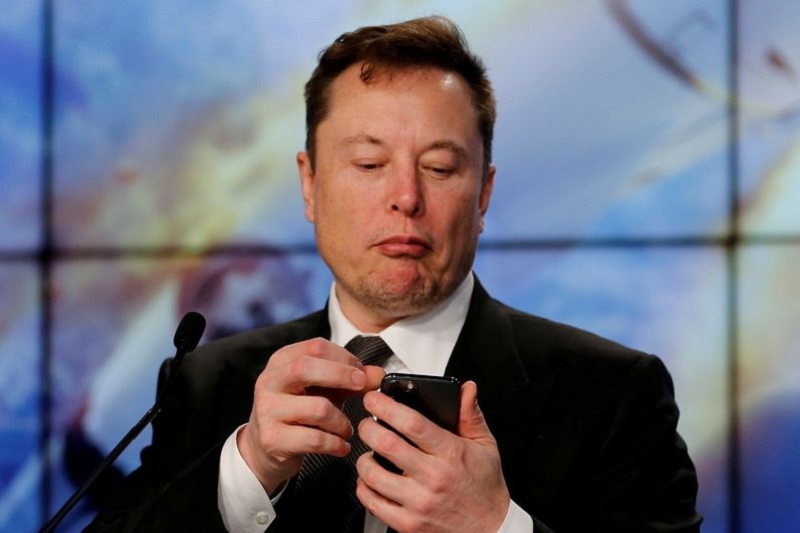
Peter Diamandis said a SpaceX-Tesla merger is a matter of timing, not if, citing Musk’s super-voting control at SpaceX versus public-market limits at Tesla. He said combining the companies could create a broader infrastructure spanning Cybercab robotaxis, Tesla vehicles, and space assets. The article is largely commentary and speculation, with no transaction announced.
A Tesla/SpaceX combination would be less about cost synergies than about governance compression: it would concentrate control over the most valuable optionality in Musk’s ecosystem into a single equity wrapper. The market is likely underpricing the possibility that this becomes a de facto re-rating event for TSLA if investors start assigning a “platform conglomerate” multiple to autonomy, energy storage, robotics, and launch-adjacent compute rather than a pure auto multiple. Second-order winners would likely be suppliers and capital-light partners that benefit from a broader AI/robotics deployment narrative, while traditional auto peers could lose any relative scarcity premium if TSLA is reclassified as a cross-sector infrastructure asset. The bigger risk is execution complexity: a combination would invite more scrutiny on conflicts, capital allocation, and disclosure, which could actually cap the multiple expansion if investors conclude the structure is more about control than economics. The near-term catalyst set is mostly headlines, not fundamentals, so the trade is likely best expressed with options over a 1-6 month horizon rather than outright equity. If merger chatter intensifies, implied volatility should lift faster than realized; if it fades, TSLA can mean-revert because there is no immediate operating impact. The contrarian read is that the market may overestimate the probability of a formal transaction and underestimate the chance that this stays in the realm of strategic signaling for years. Key upside is not the merger itself, but the signaling effect on how investors value Tesla’s embedded optionality across autonomy, energy, and compute. Key downside is that any formal process would likely trigger governance backlash and possibly force concessions that dilute the very control benefits that make the deal strategically appealing.
AI-powered research, real-time alerts, and portfolio analytics for institutional investors.
Overall Sentiment
neutral
Sentiment Score
0.15
Ticker Sentiment
