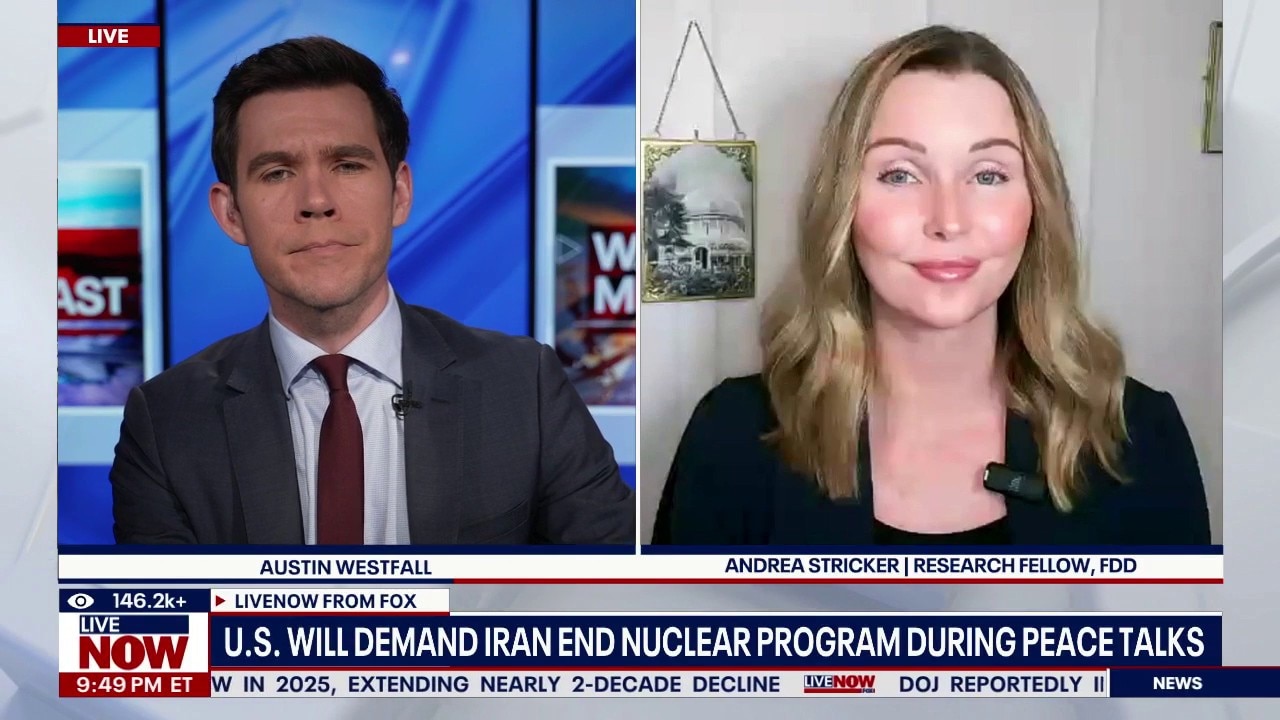
Thursday marked the deadliest day of Israeli strikes in the conflict, with more than 300 killed and 1,150 wounded, while the tentative ceasefire remains fragile. The Strait of Hormuz remains a key flashpoint: tanker traffic is still moving but Iran is reportedly charging tolls of up to $1 per barrel, adding about 10% to shipping and insurance costs and forcing route changes. U.S. and Israeli officials say the truce depends on reopening the strait and curbing Iran's enriched uranium stockpile, keeping energy, shipping, and regional risk premiums elevated.
The market is still pricing this like a discrete geopolitical shock, but the more material issue is that the Strait is being converted from a binary event into a recurring friction point. Even a partial fee/toll regime or intermittent escort requirement raises the floor on delivered energy costs, widens tanker time-charter rates, and creates a lagged squeeze across refining and chemicals that is not fully reflected in front-month crude alone. That means the real P&L transmission is likely to show up first in shipping equities/credit, then in Asian industrial margins, and only later in headline oil.
The biggest second-order loser is not just tankers already exposed to the route, but anyone with inventory-heavy supply chains that need Gulf-origin feedstock: European refiners, Asian crackers, and bunker-intensive logistics firms face a double hit from higher fuel and insurance. A prolonged “almost open” strait is worse than a clean closure because it keeps volatility elevated while preventing the market from rebuilding routing assumptions, which sustains option-implied volatility and penalizes short-duration balance sheets. That also argues for underweighting carriers with weak pricing power even if volumes do not collapse.
The contrarian angle is that the ceasefire ambiguity may be more bullish for transport and energy volatility than for outright oil prices. If flows continue at reduced friction, crude can retrace while freight, insurance, and sanctions-compliance costs stay sticky; the market may overstate the earnings benefit to upstream and understate the margin squeeze on midstream/maritime operators. The key catalyst window is days to two weeks: any verified normalization through the strait would crush the risk premium, while a renewed attack or formal tolling regime would reprice the entire Gulf supply chain instantly.
Net: this is a volatility trade more than a directional oil trade unless the strait is truly closed again. The cleanest expression is long assets with embedded geopolitical optionality and short exposed logistics names with limited ability to reprice contracts quickly.
AI-powered research, real-time alerts, and portfolio analytics for institutional investors.
Request DemoOverall Sentiment
strongly negative
Sentiment Score
-0.75
Ticker Sentiment
