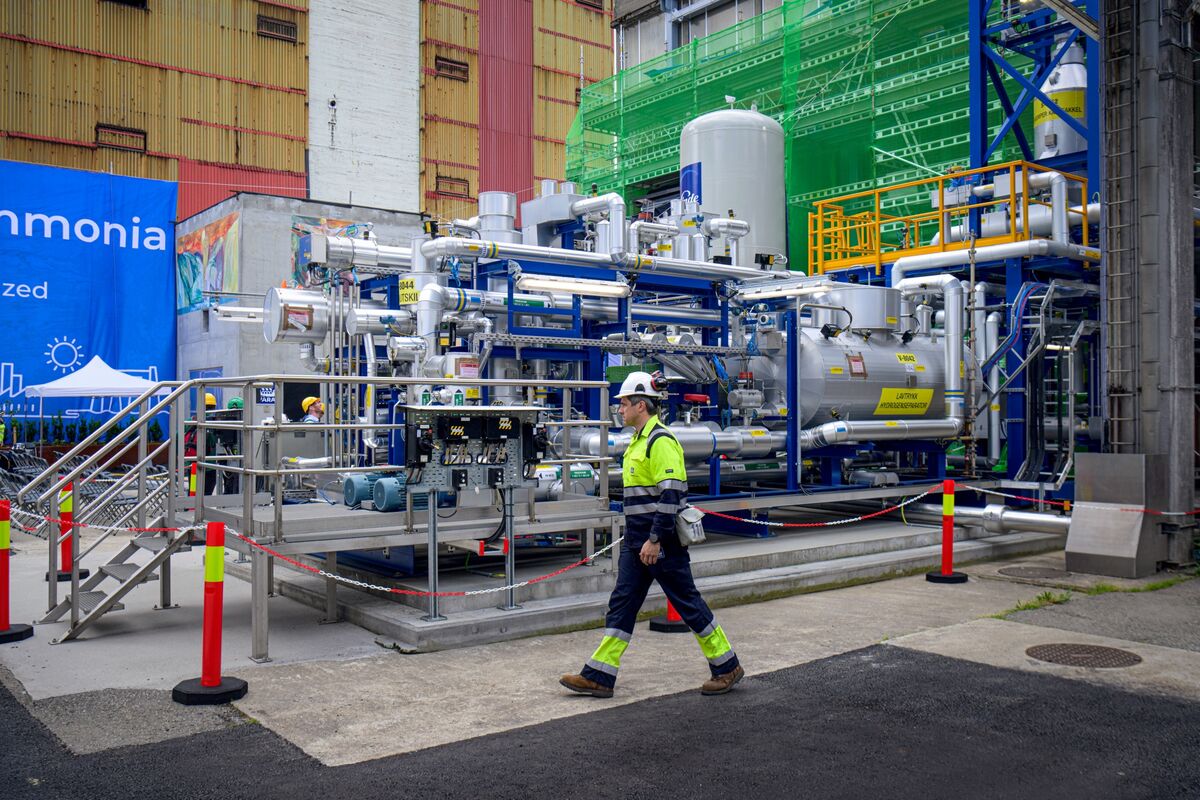
Yara International reported Q1 adjusted EBITDA of $896 million, up 40% year over year and above the $807 million analyst estimate. Revenue rose 17% as the Iran war disrupted transit through the Strait of Hormuz, tightening global fertilizer trade and lifting crop nutrient prices. The print is positive for Yara, though the upside is driven by geopolitical supply disruption rather than underlying demand strength.
The key read-through is not just higher fertilizer prices, but a renewed scarcity premium across the entire nutrient complex. When shipping lanes tighten, the market tends to reprice delivered product first and physical volumes later, which means producers with inland logistics, storage optionality, or captive distribution should gain share versus pure exporters. That creates a second-order winner set beyond the obvious headline beneficiary: low-cost phosphate/potash names, regional distributors, and ag-input retailers with inventory on hand may enjoy margin expansion even if end-demand is unchanged.
The bigger risk is that this looks better for quarterly earnings than for the medium-term demand curve. Fertilizer affordability can deteriorate fast if crop nutrient prices outrun farm economics, especially heading into planting decisions over the next 1-2 quarters; historically that triggers either application deferral or mix-shift to cheaper nutrients. If the disruption persists, the first beneficiaries are producers, but the second-order losers are global growers, food processors, and emerging-market sovereigns exposed to food inflation.
The market may be underestimating the reflexivity here: a geopolitical supply shock can temporarily boost producer margins while simultaneously sowing the seeds of a volume reset later in the season. The most important catalyst to watch is whether transit normalization or a policy workaround restores supply before inventories are worked down; if so, the price spike can unwind sharply even while headline earnings remain strong for one more quarter. Conversely, a prolonged disruption would force importers to rebuild safety stocks, extending the trade beyond the usual short squeeze window.
Contrarian angle: the move may be over-owned as a simple long-commodities trade. Fertilizer equities often peak before the underlying scarcity fades because margin expectations are forward-looking and highly sensitive to freight normalization, not just spot prices. The cleaner expression may be relative value—own firms with cost discipline and downstream distribution, while fading names that depend on export arbitrage and higher working capital to sustain earnings momentum.
AI-powered research, real-time alerts, and portfolio analytics for institutional investors.
Request TrialOverall Sentiment
moderately positive
Sentiment Score
0.58
