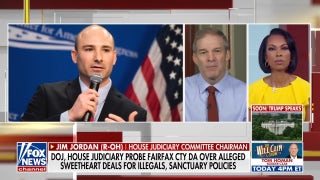
FBI raids hit Virginia Democratic state Sen. L. Louise Lucas’s office and a business she co-owns as part of a court-authorized corruption and illegal marijuana sale probe, with 10 locations searched. The probe reportedly began during the Biden administration, but the allegations and political fallout are driving reputational and legal risk rather than a direct market event. Virginia party leaders and opponents are already reacting, while Lucas has not yet commented.
This is less a single-name event than a reminder that localized corruption probes can become coalition stress tests. The immediate market impact is on Virginia Democratic incumbents and any adjacent political operatives, but the second-order effect is on donor networks, local vendors, and policy continuity in Richmond: when a high-profile power broker is under federal scrutiny, spending decisions, appointments, and legislative deal flow typically slow for weeks while allies go defensive.
The biggest near-term risk is not legal conviction per se, but reputational contagion into the Spanberger orbit. Even if the probe ultimately narrows, the optics create asymmetric downside for any elected official who has to defend “process” rather than distance, especially in a state where suburban independents are already sensitive to ethics and governance narratives. That means the story can pressure fundraising efficiency and suppress activist enthusiasm into the next 1-2 reporting cycles.
Contrarian angle: the market may be overestimating the duration of the headline risk and underestimating how quickly it can be absorbed if no charges follow. Because the probe originated earlier and is not obviously election-timed, a clean factual record would let Virginia Democrats frame this as a legacy issue rather than a current-administration scandal. In that case, the trade is not to chase the initial outrage, but to fade any overshoot once the story moves from raid optics to procedural reality.
There is no direct public-market ticker impact, but political-risk proxies should be monitored. Any local-state contractors, cannabis-linked operators, or firms dependent on Virginia permitting can see temporary bid/ask widening if they are perceived to be in the orbit of investigation, though that is likely a weeks-not-months effect unless charges broaden materially.
AI-powered research, real-time alerts, and portfolio analytics for institutional investors.
Request DemoOverall Sentiment
moderately negative
Sentiment Score
-0.35
